In This Article
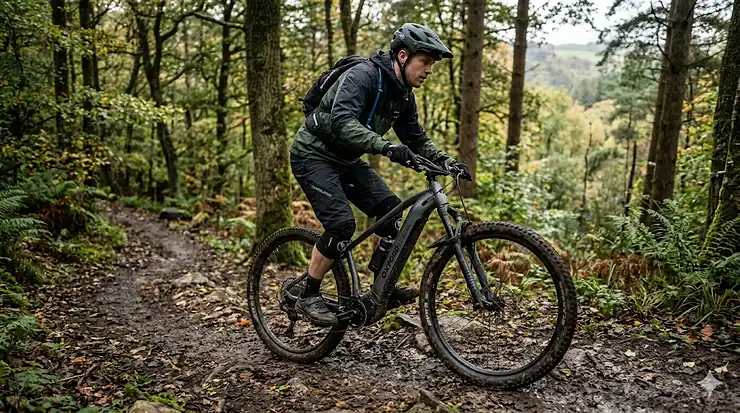
Cross-country mountain biking has always been a brutal sorting exercise — the riders who suffer least on the climbs tend to win. Enter the electric XC bike, a machine designed to rewrite those rules without throwing them out entirely. Unlike the heavy, full-power e-MTBs that dominate Amazon.co.uk’s first page, a proper electric XC bike is built around a very specific philosophy: lightweight frame, efficient pedal-assist motor, 100mm travel suspension, and the kind of snappy, responsive geometry that makes technical singletrack feel like home.
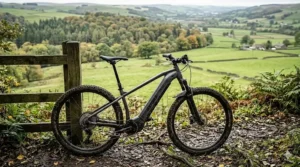
What is an electric XC bike? In short, it’s a cross-country mountain bike equipped with a compact, low-torque (typically 35–60Nm) electric motor that provides subtle assistance rather than raw propulsion. The goal isn’t to replace your legs — it’s to let you ride faster, farther, and with enough energy left in the tank for a proper second loop. Think of it as a turbocharger for your fitness, not a replacement for it. The best lightweight XC ebike models weigh under 19kg, carry 250–400Wh batteries, and are built to UKCA and EAPC standards that keep them road-legal across England, Scotland, and Wales.
In 2026, the market for this category has matured considerably. Whether you’re chasing a podium at a British Cycling XCO event, grinding through a muddy marathon endurance event in the Peak District, or simply wanting to keep pace with your club mates who are ten years younger — there’s an electric XC bike built for you. We’ve done the research so you don’t have to. Here are the seven best options available to UK buyers right now, from accessible Amazon.co.uk picks to premium specialist machines.
Quick Comparison Table: 7 Best Electric XC Bikes UK 2026
| Model | Motor | Suspension | Approx. Price (GBP) | Best For |
|---|---|---|---|---|
| Eleglide M2 (29″) | 250W, 55Nm | 100mm front | £700–£900 | Budget XC trail riding |
| ENGWE M20 | 250W, 45Nm | 100mm front | £800–£1,100 | Value all-rounder |
| Shengmilo MX05 | 250W, 48V | 100mm dual | £900–£1,200 | Entry full-suspension XC |
| Cyrusher XF690 | 250W, 65Nm | 100mm full-susp. | £1,200–£1,600 | Aggressive XC / light trail |
| Trek Marlin+ 6 | Bosch SX, 55Nm | 100mm, RockShox | £2,500–£3,000 | Serious cross-country racing |
| Haibike AllMtn 3 2026 | Bosch CX, 120Nm | 140mm, SR fork | £3,200–£3,800 | XC/trail crossover, big days out |
| Orbea Urrun 10 | Shimano EP800, 85Nm | 100mm, Race Face | £3,200–£4,000 | Competitive XC performance |
A word on that table: The clearest takeaway is the price-to-motor quality gap between the first four entries and the final three. Under £1,600, you’re getting hub motors — perfectly capable for trail riding, genuinely fun, but not built for race efficiency or competitive XC performance. From £2,500 upwards, mid-drive systems from Bosch and Shimano fundamentally change the climbing dynamic, delivering natural torque distribution through the bike’s existing drivetrain rather than yanking from the rear axle. If you’re eyeing marathon endurance events or competitive XC racing, that distinction matters enormously.
💬 Just one click — help others make better buying decisions too! 😊
✨ Don’t Miss These Exclusive Deals!
🔍 Ready to take your cross-country riding to the next level? Click any highlighted product name throughout this guide to check current pricing and availability on Amazon.co.uk. These picks represent the best the UK market has to offer in 2026 — whatever your budget, there’s a machine on this list for you.
Top 7 Electric XC Bikes UK 2026: Expert Analysis
1. Eleglide M2 (29″) — Best Budget Electric XC Bike UK
The Eleglide M2 is, without question, the most sensible starting point for a UK rider curious about the XC ebike experience without committing several months’ wages upfront.
Its 250W XOFO brushless motor produces 55Nm of torque — a figure that sounds modest until you hit the first long fireroad climb and realise you’re cresting it at a pace that would have you wheezing on an acoustic bike. The 36V 15Ah (540Wh) removable battery delivers a claimed 125km in assist mode; in real British conditions — think drizzle, muddy bridleways, and hilly terrain around somewhere like the Surrey Hills or Dartmoor — expect a more honest 70–90km, which is still remarkable for this price bracket.
The 29-inch wheels roll over roots and rocks with pleasing confidence, and the hydraulic front fork with 100mm travel and lockout is the standout feature at this price. Being able to firm up the fork on smooth climbs and release it for technical descents is exactly the kind of nuance you don’t expect for under £900. The Shimano 21-speed drivetrain is workmanlike rather than thrilling, and the IPX4 weather rating means it’ll tolerate the average British autumn — if not an actual biblical downpour in Snowdonia.
UK customers on Amazon consistently praise the build quality relative to cost, with several noting the app connectivity (for assist tuning and trip tracking) as a genuinely useful addition. A few mention the seat as the first thing to upgrade — not unusual at this price.
Pros:
- Exceptional value for money; hydraulic brakes and lockout fork below £900
- Removable battery makes charging from a flat (or shed) genuinely practical
- App connectivity for real-time stats and assist customisation
Cons:
- Hub motor lacks the natural pedalling feel of mid-drive systems
- 22–23kg weight is noticeable on steep, technical climbs
Available on Amazon.co.uk | Prime eligible | Around £700–£900 range — check current price on Amazon.co.uk.
Best for: UK recreational riders and newcomers to the XC ebike world who want to explore trail centres like Glentress or Cannock Chase without a four-figure outlay.
2. ENGWE M20 — Best Value XC Hardtail Under £1,000
ENGWE has quietly built a reputation among UK budget e-MTB buyers for producing bikes that punch above their weight — and the M20 continues that trend with a particular nod towards the lightweight XC ebike brief.
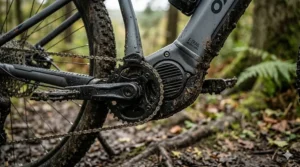
The 250W rear hub motor (45Nm) pairs with a 48V 13Ah battery to deliver around 70–100km in PAS mode, and the 20kg frame weight is meaningfully lighter than many rivals at similar money. The 29-inch wheels wear Kenda tyres that shed mud reasonably well — important when you’re riding the kind of damp, clay-heavy trails that are, let’s be honest, the defining feature of British mountain biking from October through April.
Where the M20 earns its keep is in geometry. The slacker head angle and longer reach compared to older budget e-MTBs give it a more confident, race-inspired stance that makes it feel planted at speed on XC-style terrain. The SR Suntour XCM fork provides 100mm of travel with preload adjustment — not the most sensitive piece of kit in the world, but it does the job on moderate trail surfaces.
UK riders note the quality of the LCD display and the responsiveness of the five assist levels as genuine highlights. A common criticism is that the mechanical disc brakes (rather than hydraulic) can feel a little vague in wet conditions — something worth factoring in if your local trails are frequently greasy.
Pros:
- Lighter than most rivals at this price point — genuinely noticeable on climbs
- Confident XC geometry; not a compromise commuter in disguise
- Competitive range for everyday UK trail riding
Cons:
- Mechanical disc brakes under-perform in persistent wet conditions
- Limited UK after-sales service network compared to established brands
Available on Amazon.co.uk | Around £800–£1,100 range | Check Amazon.co.uk for current price and Prime availability.
Best for: Budget-conscious riders in areas with accessible hardpacked trail networks — think the South Downs Way or the Quantock Hills.
3. Shengmilo MX05 — Best Budget Full-Suspension XC Ebike
If 100mm travel only at the front leaves you cold, the Shengmilo MX05 offers the full-suspension XC experience at a price that would seem improbable even two years ago.
The 250W motor (48V, rear hub) delivers a smooth, progressive power delivery that suits cross-country riding better than you’d expect from a hub-drive system. The dual-suspension setup — 100mm front fork plus a rear coil shock — absorbs trail chatter in a way that genuinely reduces rider fatigue over longer distances, which is the whole point of marathon endurance events riding. On a two-hour loop through technical forests, the MX05 simply hurts less than a hardtail equivalent.
The 48V 15Ah battery is housed in the downtube in a manner that keeps the centre of gravity low and central — a detail you notice immediately when the trail gets twisty and technical. The Shimano seven-speed drivetrain is the weak link: it’s perfectly functional but noticeably less refined than the Shimano CUES or Deore groupsets found on more expensive machines.
UK buyers appreciate the value, though several note that the rear shock can feel a little wallowy under sustained hard pedalling — tightening the preload helps, but it’s worth acknowledging that £1,000 full-suspension e-bikes are making genuine engineering compromises somewhere.
Pros:
- Full suspension at a price most hardtail competitors can’t match
- Low, central battery position improves handling feel
- Solid all-weather durability for British trail conditions
Cons:
- Rear shock can feel imprecise under hard pedalling efforts
- Seven-speed drivetrain limits gear range on long climbs
Available on Amazon.co.uk | Around £900–£1,200 range | Prime delivery available — check current price on Amazon.co.uk.
Best for: Riders who prioritise comfort on longer rides and want the feel of full suspension without the four-figure price tag.
4. Cyrusher XF690 — Best Aggressive XC / Light Trail Ebike Under £1,600
The Cyrusher XF690 occupies a fascinating middle ground between budget cross-country e-bike and proper capable trail machine. It’s not a race bike — the 65Nm hub motor will never replicate the climbing efficiency of a mid-drive system — but for riders who want a capable, aggressive XC-style machine that can handle British trail centres at genuine pace, the XF690 makes a compelling argument.
The full-aluminium frame is noticeably stiffer than cheaper alternatives, which translates directly into better power transfer on sustained climbs. The 250W motor’s 65Nm torque output is the highest in this price bracket, and the 48V 17Ah battery (816Wh) offers impressive range — you’ll regularly see 80–100km in mixed terrain, even allowing for the inevitable 10–15% range reduction on cold, damp British winter rides.
The 100mm dual-suspension geometry keeps the XF690 planted on XC-speed descents, and the hydraulic disc brakes (front and rear) offer the kind of progressive, confident stopping power you’d expect to pay more for. Cyrusher includes a two-year UK warranty — worth factoring into the total cost of ownership.
UK riders praise the build quality and the torque sensor integration (which provides more natural assistance than a basic cadence sensor), though some note the overall weight (around 24kg) is heavier than ideal for true competitive XC riding.
Pros:
- Torque sensor delivers natural, responsive pedal assist
- Hydraulic disc brakes; two-year UK warranty
- High-capacity battery for serious day rides
Cons:
- At 24kg, heavier than dedicated XC machines
- Hub motor limits efficiency on extended steep climbs
Available on Amazon.co.uk | Around £1,200–£1,600 | Check Amazon.co.uk for current price and delivery options.
Best for: Riders who want a capable, aggressive trail machine for weekend riding at Afan Argoed or the Tweed Valley, without requiring a specialist bike shop.
5. Trek Marlin+ 6 Gen (2025/2026) — Best Mid-Range Electric XC Bike UK
This is where things get properly interesting. The Trek Marlin+ 6 is the entry point into “real” XC ebike territory — the point at which you stop making meaningful compromises and start experiencing what a lightweight XC ebike can actually do in anger.
The Bosch SX motor (55Nm, 320Wh integrated battery) is the defining feature, and it’s difficult to overstate what a difference a quality mid-drive system makes on sustained climbs. The power delivery is natural, progressive, and genuinely intelligent — it reads your pedalling rhythm and responds accordingly, rather than simply dumping torque into the drivetrain. On a 20-minute climb, the difference in rider fatigue compared to a hub-motor equivalent is considerable.
The 100mm RockShox Recon fork is a genuine upgrade from the SR Suntour units found on cheaper bikes — more sensitive, better damped, and noticeably more confidence-inspiring on rocky, loose UK trail surfaces. The Shimano Deore 10-speed drivetrain offers smooth, wide-range shifting that suits the varied gradients of British riding perfectly.
At around £2,500–£3,000 through UK specialist retailers including Evans Cycles and Tredz, the Marlin+ 6 isn’t cheap — but it represents the first point on this list where the bike’s performance matches the ambition of a rider who uses the phrase “competitive XC performance” unironically.
Note: The Trek Marlin+ 6 is sold through Trek UK authorised dealers and retailers such as Evans Cycles — it is not currently listed as a complete bike on Amazon.co.uk.
Pros:
- Bosch SX mid-drive motor transforms climbing efficiency
- RockShox suspension; quality hydraulic disc brakes
- Trek’s UK dealer network provides excellent ongoing support
Cons:
- 320Wh battery limits range on longer marathon events
- Price represents a significant step up from the options below it
Available through UK specialist retailers | Around £2,500–£3,000 range.
Best for: Club riders, sportive enthusiasts, and anyone chasing a PB on a timed XCO course.
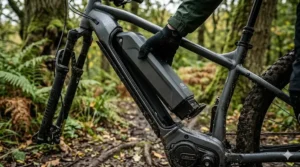
6. Haibike AllMtn 3 (2026) — Best XC/Trail Crossover Electric Bike UK
Haibike has been building electric mountain bikes since before most of its competitors had drawn up the concept on a napkin, and the AllMtn 3 2026 distils that experience into what is arguably the best do-everything electric XC and trail machine available to UK buyers at its price point.
The Bosch Performance Line CX motor (120Nm) is the class-leading figure in this guide for raw climbing power — it’s noticeably more capable on steep, loose, technical ascents than the Bosch SX in the Trek above. The 625Wh battery provides genuine marathon endurance capacity; expect a realistic 80–120km from a charge in mixed UK trail conditions, which covers even the most ambitious full-day loops.
The 140mm suspension travel (compared to 100mm on the pure XC machines) nudges this firmly into XC/trail crossover territory. It won’t frighten a Santa Cruz on a gnarly enduro descent, but it absorbs the kinds of rough, rooty sections that characterise British trails — Grizedale Forest, Kielder, or the Afan network — with confidence that pure XC geometry sometimes struggles to match.
According to BikeRadar’s long-term testing, the Bosch CX motor’s Smart System integration (real-time tuning via the eMTB app) is one of the most useful pieces of e-bike technology available to recreational riders, particularly for managing range across varied terrain types.
Pros:
- Bosch CX Smart System; exceptional range from 625Wh battery
- 140mm travel forgives rough British trail surfaces
- Haibike’s 10+ years of e-MTB engineering experience is tangible
Cons:
- 140mm travel makes it heavier than pure XC race machines
- 120Nm motor is more power than strict XC race efficiency requires
Available through UK specialist retailers including Evans Cycles | Around £3,200–£3,800 range.
Best for: Riders who want a capable machine for everything from XC marathons to proper trail days out, without buying two bikes.
7. Orbea Urrun 10 — Best Competitive XC Performance Ebike in UK
If the Haibike is the sensible all-rounder, the Orbea Urrun 10 is the choice for riders who actually use the phrase “cross-country racing” as a performance goal rather than a general description of their favourite terrain type.
The Shimano EP800 motor (85Nm) is lighter and more compact than comparable Bosch units, which contributes to the Urrun 10’s unusually low weight for an electric XC bike — around 19–20kg depending on build spec, which is genuinely impressive. The motor’s power delivery is tuned specifically for XC efficiency: subtle enough to feel like natural assistance, decisive enough to maintain momentum through technical, punchy climbs.
Race Face AR 30c 29-inch wheels wrapped in Maxxis Rekon tyres offer minimal rolling resistance on hardpack and fireroad while retaining grip on loose surfaces — exactly the combination you want for competitive XC performance on varied British courses. The Shimano Deore XT M8120 12-speed drivetrain shifts smoothly under load and handles the wide gear range needed for everything from flat sprint sections to sustained mountain climbs.
British Cycling recognises XCO and XCM as formal competitive disciplines, and the Urrun 10 is built explicitly for riders who participate in — or aspire to — these events. For racing context, several privateer riders cited in the 2026 UCI Mountain Bike season round-ups (see the UCI season overview) have been spotted training on electric XC bikes with EP800 motors.
Pros:
- Shimano EP800 motor prioritises weight and efficiency over raw power
- Race Face wheels; Shimano XT drivetrain delivers genuine race-spec performance
- Sub-20kg weight transforms climbing compared to heavier alternatives
Cons:
- Higher price demands a committed racing or performance riding brief to justify
- Limited UK dealer footprint compared to Trek or Specialized
Available through UK specialist retailers including Westbrook Cycles and Leisure Lakes Bikes | Around £3,200–£4,000 range.
Best for: Competitive XC racers, marathon endurance event participants, and performance-focused riders who want the lightest capable electric XC bike available in the UK.
How to Choose an Electric XC Bike in the UK: A Practical Guide
Buying an electric XC bike in Britain requires thinking about a few things that manufacturers’ spec sheets conveniently omit. Here’s a structured framework for making the right call.
1. Define your primary use case honestly. Are you racing? Doing club rides? Long solo marathons? The difference between a race-oriented 100mm travel XC ebike and a trail crossover like the Haibike is significant. Be honest about which scenario describes your average Saturday.
2. Set a realistic budget — including accessories. The bike is the start. Add a quality helmet (£80–£250), lock (£40–£80), appropriate clothing for British weather (budget liberally), and first service costs. A £900 bike with £300 of accessories often represents better value than a stripped-back £1,200 model.
3. Mid-drive vs. hub motor is the decisive question. Hub motors (all options under £1,600 in this guide) are heavier, less efficient on sustained climbs, and provide less natural pedalling feel. Mid-drive motors (Trek, Haibike, Orbea) fundamentally change the riding experience. If you’re serious about cross-country racing or marathon endurance events, a mid-drive system is not optional — it’s the whole point.
4. Consider battery size against your typical ride length. Most British XC riders cover 25–50km on a typical ride. A 400Wh battery handles this comfortably; a 320Wh battery (like the Trek’s Bosch SX) may constrain longer days out. For marathon endurance events regularly exceeding 60km, prioritise battery capacity.
5. Check EAPC compliance before you buy. All bikes in this guide comply with UK EAPC regulations (250W continuous motor, 25km/h assist cut-off, pedal-assist only), but it’s worth confirming with the retailer — particularly for bikes sourced from EU sellers post-Brexit where UKCA marking may differ from CE marking. The UK Government’s official EAPC guidance is the definitive reference.
6. Weight matters more on XC bikes than any other category. Every kilogram you’re not carrying on a climb is a kilogram of free speed. Budget options cluster around 22–24kg; premium mid-drive machines reach 17–20kg. On a long British climb — Bealach na Bà, the Devil’s Staircase, any of the Brecon Beacons ascents — that gap is felt acutely.
7. After-sales support in the UK. This is, frankly, where Amazon.co.uk budget bikes carry real risk. Chinese brands with no UK service network can leave you stranded with a warranty issue and a bike you can’t ride. Brands like Trek, Haibike, and Orbea maintain authorised dealer networks across Britain — a detail worth every penny of the premium at the inevitable moment something needs fixing.
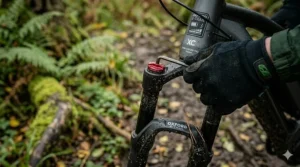
Real-World Riding: Electric XC Bikes for British Conditions
British mountain biking trails are not like the sun-baked, hardpacked courses of California or the wide-open fireroads of Finale Ligure. They’re muddy. Often very muddy. They’re rooty, slippery, and frequently blessed with weather that the Meteorological Office describes diplomatically as “unsettled.” Here’s how different electric XC bike profiles actually perform in British conditions.
The Weekend Trail Centre Rider (e.g., Cannock Chase, Haldon Forest, Glentress): For riders who primarily access purpose-built trail centres with graded singletrack, an accessible hub-motor XC ebike like the Eleglide M2 or Cyrusher XF690 is entirely fit for purpose. Blue and red-grade trails are within comfortable reach; the motor helps you rack up extra laps before tiredness sets in. The key consideration: muddy trail centres demand proper mud tyres regardless of what comes fitted as standard.
The Marathon Endurance Event Rider (e.g., Grizedale Gallop, Gorrick series, Kindrogan): For riders entering timed or measured marathon XC events, the budget hub-drive options begin to show their limitations. You need efficient climbing, reliable range, and confident handling on rough, natural terrain. The Trek Marlin+ 6 represents the sensible entry point for this use case; the Orbea Urrun 10 is the serious choice.
The Exploratory Gravel/XC Hybrid Rider (e.g., bridleways, byways, long-distance routes like the Mary Towneley Loop): Full-day, mixed-surface adventures in British uplands suit the Haibike AllMtn 3’s broader capability profile. The 625Wh battery provides genuine security on remote routes, and the 140mm travel handles the unexpected rocky bridleway sections that invariably appear after three hours of optimistic map planning.
Important note on storage: Electric XC bikes, even the sleek and lightweight ones, are not small. In a typical terraced house or first-floor flat — the living reality for millions of British riders — proper storage planning matters. A wall-mount rack (£30–£80 from Amazon.co.uk) saves floor space; a weatherproof outdoor bike cover extends the life of drivetrain components in Britain’s damp, salt-laden air significantly better than a draughty shed.
Common Mistakes When Buying an Electric XC Bike in the UK
A few expensive errors the spec sheet won’t warn you about.
Buying a US-specification model. Several electric bikes marketed globally carry 500W or 750W motor specifications that are road-illegal in the UK under EAPC regulations. The legal limit is 250W continuous rated power. Check the motor’s continuous output, not its peak figure — some Amazon listings conflate the two, and riding a non-compliant e-bike on UK roads technically requires registration, tax, and insurance. When in doubt, check the UK Government’s EAPC compliance guide.
Underestimating the wet weather penalty on battery range. Manufacturers quote range figures under idealised conditions. In British winter riding — 8°C, damp air, wet tyres, muddy terrain — expect 15–25% less range than the headline claim. A bike rated at 100km in ideal conditions may deliver 70–80km on a typical February ride in the Yorkshire Dales. Plan accordingly and always start long rides with a full charge.
Ignoring drivetrain compatibility for UK parts availability. Budget XC ebikes from Chinese brands often use proprietary components that are difficult (and expensive) to source in the UK. If the rear derailleur needs replacing six months in, “four-to-six weeks from Shenzhen” is not a satisfying answer. Shimano components — even entry-level Shimano — are available from almost every UK bike shop and next-day from online retailers.
Overlooking theft risk. An electric XC bike is an attractive target. In urban areas particularly — London, Manchester, Bristol, Leeds — a quality D-lock (rated sold secure gold) is non-negotiable. The Sold Secure accreditation scheme, recognised by UK insurers, is the standard to reference when purchasing a lock.
Assuming EU warranty covers UK purchases post-Brexit. Several EU-manufactured bikes have warranty processes that now route through EU service centres, adding cost and delay for UK buyers. Confirm the warranty process is UK-based before purchasing — particularly relevant for brands that relocated their UK operations post-2020.
Electric XC Bike vs Traditional Acoustic XC Bike: What Actually Changes?
| Factor | Acoustic XC Bike | Electric XC Bike |
|---|---|---|
| Weight | 9–12kg | 17–24kg |
| Climbing efficiency | Pure fitness-dependent | Assisted: levels playing field |
| Technical descending | Lighter, more agile | Slightly more planted |
| Range on flat terrain | Unlimited (fitness limit) | 50–130km per charge |
| UK Road Legal | Yes | Yes (EAPC compliant) |
| Group ride dynamics | Standard pacing | Equalises fitness gaps |
| Cost of entry (quality) | £800–£3,000+ | £700–£4,000+ |
The comparison table tells part of the story, but what it can’t convey is the experiential shift. An electric XC bike doesn’t make climbing effortless — you still feel every gradient, still need fitness, still arrive at the top with an elevated heart rate. What it does is compress the fitness gap between riders of different abilities, extend the range of what’s achievable in a given time window, and — perhaps most meaningfully for older riders — allow you to keep riding at intensity despite the kind of accumulated physical wear that acoustic bikes eventually defeat. The electric XC bike isn’t cheating. It’s clever.
Long-Term Costs and Maintenance in the UK
Buying an electric XC bike is not a one-off transaction. Here’s a realistic picture of ongoing costs for UK riders.
Battery replacement is the big one. Lithium-ion batteries degrade over 500–1,000 full charge cycles — typically three to seven years for a regular rider. Replacement battery costs vary: £150–£300 for budget brands (if available at all), £400–£600 for Bosch-system batteries. Factor this into your total cost of ownership calculation from day one.
Annual service at a UK bike shop costs roughly £80–£150 for a comprehensive check including brake bleed, drivetrain service, and suspension inspection. Electric-specific system diagnostics (particularly for Bosch and Shimano systems) may add £30–£50. Spread over a year, this is modest — less than a monthly gym membership.
Tyres need seasonal consideration. The standard XC tyres fitted to budget models are optimised for dry-weather grip and low rolling resistance — admirable qualities in California, somewhat less useful in a Welsh November. A dedicated set of mud tyres (£35–£60 each from Amazon.co.uk) transforms wet-weather trail performance and is arguably the single best value upgrade available.
Insurance is worth considering for any bike above £1,000. Specialist cycle insurers (Laka, Bikmo, Yellow Jersey) offer policies that cover theft, accidental damage, and third-party liability from around £10–£25 per month for bikes in the £1,500–£3,500 range. Standard home contents insurance rarely covers bikes adequately for trail use.
FAQ
❓ Are electric XC bikes legal on UK roads and trails?
❓ What is the difference between an electric XC bike and a standard e-MTB?
❓ How much should I spend on an electric XC bike in the UK?
❓ Can I ride an electric XC bike in wet British weather?
❓ Are electric XC bikes eligible for the UK Cycle to Work scheme?
Conclusion
The electric XC bike category in 2026 offers something genuinely exciting for British riders: a machine that extends what’s possible on trail without pretending the physical challenge doesn’t exist. The accessible Amazon.co.uk options — the Eleglide M2, ENGWE M20, Shengmilo MX05, and Cyrusher XF690 — make the XC ebike experience available to riders who wouldn’t previously have considered it viable on their budgets. They’re imperfect, they’re compromised in places, and they’re genuinely great fun.
The Trek Marlin+, Haibike AllMtn 3, and Orbea Urrun 10, available through UK specialist retailers, represent a different conversation entirely — one about competitive XC performance, mid-drive efficiency, and the kind of riding quality that justifies the premium. If you’re serious about cross-country racing or marathon endurance events, the extra investment is not extravagance. It’s the price of admission to what an electric XC bike is actually capable of.
British trails — the wet, rooty, brilliant, unpredictable trails of Snowdonia, the Borders, the Lakes, and the South Downs — deserve a bike that can handle them properly. Whichever model fits your budget and ambition, the electric XC bike category in 2026 has one for you.
✨ Don’t Miss These Exclusive Deals!
🔍 Ready to shop? Click any highlighted product to check current pricing and availability on Amazon.co.uk. For specialist retailer models, check Evans Cycles, Westbrook Cycles, and Leisure Lakes Bikes for current UK stock and pricing.
Recommended for You
- Best Electric Enduro Bikes UK 2026: 7 Trail-Ready Picks Tested
- Best Hand Cycle Electric UK 2026: Top 7 Adaptive Handcycles Reviewed
- 7 Best Adapted Electric Bikes UK 2026 – Accessible Cycling Guide
Disclaimer: This article contains affiliate links. As an Amazon Associate, I earn from qualifying purchases. If you purchase products through these links, we may earn a small commission at no additional cost to you.
✨ Found this helpful? Share it with your mates! 💬🤗
