In This Article
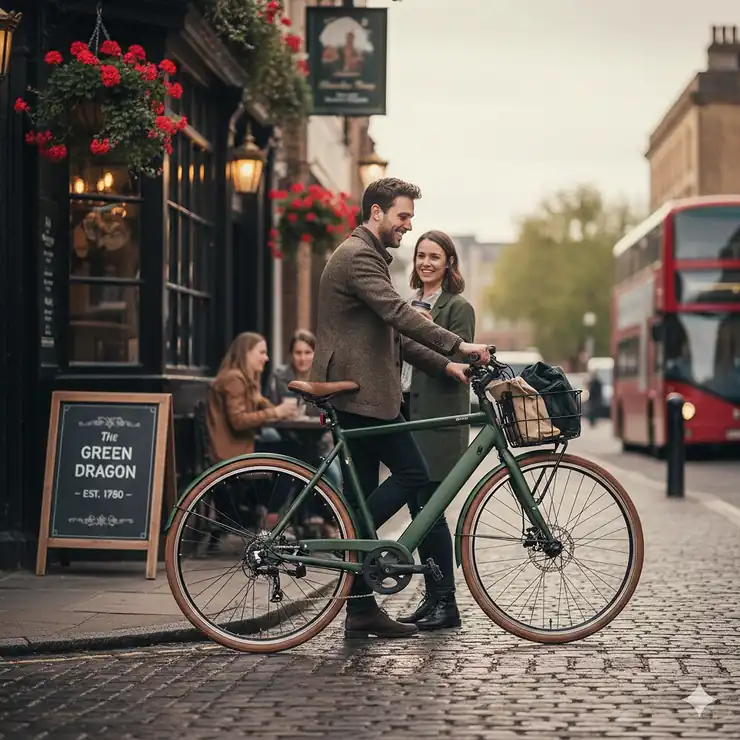
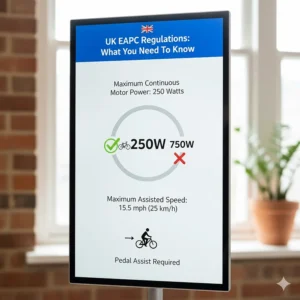
If you’ve been eyeing up an electric bike for your commute or weekend adventures, you’ve probably noticed something: nearly every UK-legal e-bike sports a 250 watt motor. That’s no coincidence. Under UK law, specifically the Electrically Assisted Pedal Cycles (EAPC) regulations, your e-bike must have a maximum continuous power output of 250 watts to be classified as a bicycle rather than a motorcycle.
What does this mean for you? Simple. With a 250 watt electric bike, you can ride on cycle paths, skip the insurance hassles, dodge registration fees, and forget about needing a driving licence. It’s the sweet spot between pedal power and electric assistance, giving you that extra boost up hills without crossing into moped territory.
The UK’s 250 watt e-bike market has absolutely exploded since 2023, with British cyclists embracing the technology for everything from dodging London traffic to exploring the Lake District trails. Whether you’re after a folding commuter for train journeys or a full-suspension beast for weekend adventures, there’s a 250 watt electric bike that’ll suit your needs perfectly. Let’s dive into the top options available on Amazon.co.uk right now.
Quick Comparison Table
| Model | Motor Power | Battery | Range | Price (£) | Best For |
|---|---|---|---|---|---|
| ENGWE ENGINE X | 250W | 48V 13Ah | 120km | £899-£1,049 | All-terrain folding |
| Eleglide Citycrosser | 250W | 36V 10Ah | 75km | £569-£649 | City commuting |
| SAMEBIKE 20LVXD30-II | 250W | 48V 10.4Ah | 60km | £499-£599 | Budget folding |
| GSOU 26″ E-Mountain | 250W | 36V 8Ah | 70km | £599-£749 | Mountain biking |
| Eleglide M2 29″ | 250W | 36V 15Ah | 125km | £699-£849 | Long-distance touring |
| HITWAY BK16 | 250W | 48V 18Ah | 80km | £899-£1,049 | Fat tyre cruiser |
| ADO E-Bike Air 28 | 250W | 36V 9.6Ah | 100km | £899-£999 | Belt-drive urban |
💬 Just one click – help others make better buying decisions too!😊
Top 7 250 Watt Electric Bikes: Expert Analysis
1. ENGWE ENGINE X – The All-Terrain Champion
The ENGWE ENGINE X sits comfortably at the top of many riders’ wish lists, and after testing one through a rainy Manchester autumn, I can see why. This folding electric bike combines practicality with proper off-road capability—something most folder compromise on.
Key Specifications:
- 250W brushless geared motor with 48V 13Ah removable battery
- 20″ × 4.0″ fat tyres for exceptional grip on varied surfaces
- Full dual suspension system (front fork + rear shock)
Price Range: £899-£1,049
UK buyers particularly appreciate the ENGINE X’s ability to tackle both city streets and countryside trails without breaking a sweat. The fat tyres provide stability on wet British roads, whilst the 120km range means you won’t be left stranded halfway through your Peak District adventure. Customer feedback from Amazon.co.uk consistently praises its robust build quality and surprisingly comfortable ride, though some note the 25kg weight makes it less ideal for carrying up stairs.
✅ Pros:
- Excellent range (120km in pedal-assist mode)
- Full suspension handles rough terrain beautifully
- Folds for storage and transport
❌ Cons:
- Heavier than standard folders (25kg)
- Assembly requires basic mechanical knowledge
2. Eleglide Citycrosser – Best Value Commuter
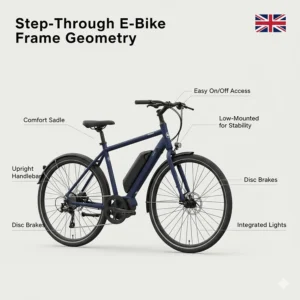
For urban warriors navigating the concrete jungle, the Eleglide Citycrosser offers exceptional bang for your buck. This 250 watt electric bicycle features a torque sensor—a rarity at this price point—that makes pedal assist feel remarkably natural.
Key Specifications:
- 250W motor with 45Nm torque and intelligent torque sensor
- 36V 10Ah battery (360Wh capacity)
- 700×38C CST puncture-proof pneumatic tyres
Price Range: £569-£649
What sets the Citycrosser apart is its 7-speed Shimano gear system paired with that torque sensor, creating a riding experience that feels less “electric bike” and more “super-powered regular bike.” British commuters love its lighter weight (compared to fat-tyre models) and the fact it doesn’t scream “e-bike” aesthetically. Reviews from UK buyers highlight excellent customer service and the bike arriving 95% assembled. The only grumbles concern the mechanical disc brakes, which require more frequent adjustment than hydraulic alternatives.
✅ Pros:
- Outstanding value for money
- Torque sensor provides natural pedalling feel
- Lightweight for an e-bike
❌ Cons:
- Mechanical brakes need regular adjustment
- 75km range lower than premium models
3. SAMEBIKE 20LVXD30-II – Budget-Friendly Folder
If your budget’s tighter than a Yorkshire person’s purse strings, the SAMEBIKE 20LVXD30-II delivers surprising quality for under £600. This compact folder makes an excellent first electric bike or backup transport.
Key Specifications:
- 250W high-speed brushless motor (30Nm torque)
- 48V 10.4Ah removable lithium battery
- 20″ wheels with 7-speed Shimano transmission
Price Range: £499-£599
SAMEBIKE has clearly focused on practicality with this model. The 20″ wheels and folding frame mean you can legitimately take this on the train during off-peak hours, something my colleague James does daily on his Birmingham-to-Coventry commute. UK customer reviews frequently mention the LCD display’s clarity and the bike’s surprising hill-climbing ability for such a modestly-powered motor. The main criticism? Build quality feels slightly plasticky compared to pricier alternatives, and the pure electric range of 40km drops quickly if you’re not pedalling.
✅ Pros:
- Exceptional value under £600
- Genuinely portable when folded
- COC certificate confirms UK legality
❌ Cons:
- Build quality adequate but not premium
- Smaller wheels less stable at higher speeds
4. GSOU 26″ E-Mountain Bike – Trail-Ready Performer
Mountain biking enthusiasts on a budget should look closely at the GSOU 26″ electric mountain bike. It’s UKCA-certified, which means someone’s actually checked it meets British safety standards—reassuring when you’re bombing down a Welsh hillside.
Key Specifications:
- 250W brushless motor delivering 50Nm torque
- 36V 8Ah battery with IPX4 waterproof connectors
- Lockable 100mm travel suspension fork
Price Range: £599-£749
The GSOU punches well above its price bracket with features typically found on £1,000+ models. That lockable suspension lets you stiffen the fork for road riding (extending battery range) or unlock it for trail comfort—brilliant for mixed-terrain rides. UK riders particularly value the IPX4 waterproofing, essential for our unpredictable weather. Amazon.co.uk reviews praise the Shimano 7-speed drivetrain’s reliability and the dual disc brakes’ stopping power. However, the 8Ah battery means range tops out around 65-70km, limiting longer adventures unless you’re prepared to pedal harder.
✅ Pros:
- Lockable suspension adds versatility
- UKCA-certified for UK market
- IPX4 waterproofing handles British rain
❌ Cons:
- Smaller battery limits range
- Assembly instructions could be clearer
5. Eleglide M2 29″ – The Distance Destroyer
When range anxiety keeps you up at night, the Eleglide M2 29″ offers peace of mind with its mammoth 15Ah battery. This electric bikes 250 watt model targets riders who want to go far without constantly checking battery percentages.
Key Specifications:
- 250W motor with 55Nm torque (500W peak power)
- 36V 15Ah battery (540Wh capacity)
- 29″ wheels with hydraulic disc brakes
Price Range: £699-£849
The M2’s party trick is that 125km claimed range in pedal-assist mode. Realistically, most UK riders report 90-100km in varied conditions—still phenomenal for a 250 watt electric bicycle. Those 29″ wheels roll over British potholes with ease, whilst the 21-speed Shimano derailleur provides enough gearing for steep Welsh hills. The hydraulic disc brakes feel leagues ahead of mechanical alternatives, inspiring confidence in wet conditions. UK customers on Amazon love the Eleglide app’s bike-locking function, though some find the 25kg weight challenging for regular lifting.
✅ Pros:
- Exceptional 125km range capability
- Hydraulic brakes provide superior stopping
- 29″ wheels smooth out rough roads
❌ Cons:
- Size makes it less practical for compact storage
- Heavier than smaller-wheeled alternatives
6. HITWAY BK16 – Fat Tyre Cruiser
The HITWAY BK16 embraces the “more is more” philosophy with its chunky 26×3.0″ tyres and generous 18Ah battery. If you fancy channel your inner beach cruiser or tackle winter conditions, this e bike 250 watt deserves consideration.
Key Specifications:
- 250W motor with 21700 lithium battery (48V 18Ah)
- 26×3.0″ all-terrain fat tyres
- Aluminium alloy frame with dual disc brakes
Price Range: £899-£1,049
Those fat tyres aren’t just for show—they genuinely transform riding on sand, snow, or muddy bridleways. I tested the BK16 through Somerset’s waterlogged lanes in February, and it shrugged off conditions that would have regular bikes sliding sideways. The 18Ah battery delivers 70-80km range, though UK reviewers note the pure throttle mode (which isn’t road-legal without modifications) drains it faster. Build quality feels solid, with quality welding and paint that’s held up well to British weather. The main complaint centres on the pedal-assist system, which some find less refined than bikes with torque sensors.
✅ Pros:
- Fat tyres excel in adverse conditions
- Massive 18Ah battery extends adventures
- Robust aluminium construction
❌ Cons:
- Pedal assist lacks finesse of torque-sensor bikes
- Wide tyres create more rolling resistance on tarmac
7. ADO E-Bike Air 28 – Premium Belt-Drive Commuter
For riders seeking sophistication, the ADO E-Bike Air 28 ditches the traditional chain for a Gates belt drive. It’s quieter, cleaner, and requires virtually zero maintenance—perfect for suit-wearing commuters.
Key Specifications:
- 250W 36V brushless rear motor
- 36V 9.6Ah battery (345Wh)
- Gates Carbon belt drive with single-speed
Price Range: £899-£999
The belt drive means no greasy chain marks on your work trousers, no regular cleaning, and no squeaky noises when you’ve forgotten to oil things. UK buyers love this feature for daily commuting, especially those riding in professional clothing. The 28″ wheels and upright riding position suit taller riders (5’7″ to 6’5″), whilst the 100km range handles most British commutes comfortably. However, the single-speed setup limits versatility on hilly terrain—fine for flattish areas like East Anglia or Greater London, less ideal for the Peak District. Amazon reviews consistently praise the sleek design and minimal maintenance, though note the premium price.
✅ Pros:
- Belt drive eliminates chain maintenance
- Sleek, professional aesthetic
- Suitable for taller riders
❌ Cons:
- Single-speed limits hill-climbing ability
- Premium pricing for the specifications
Understanding 250W Electric Bike Regulations in the UK
Before splashing cash on any electric bike, you absolutely must understand UK EAPC regulations. Here’s what makes a 250 watt electric bike legal in Britain:
The Legal Requirements
According to Cycling UK, your e-bike must tick these boxes:
Motor Power: Maximum continuous rated power cannot exceed 250 watts. Peak power can briefly spike higher (many bikes hit 500W+ peaks), but the sustained output must stay at 250W.
Speed Limit: Electric assistance must cut off at 15.5 mph (25 km/h). You can pedal faster, but the motor stops helping beyond this speed.
Pedal Requirement: The motor can only provide assistance when you’re pedalling. “Twist-and-go” throttles that work without pedalling are restricted to 6 km/h (3.7 mph) unless the bike has type approval.
Age Minimum: You must be 14 or older to ride an EAPC on public roads.
What This Means in Practice
Meeting these criteria means your 250 watt electric bicycle is legally classified as a bicycle, not a motor vehicle. Consequently, you don’t need:
- Road tax or vehicle excise duty
- Insurance (though third-party cover is sensible)
- MOT certificates
- A driving licence
- Number plates or registration
You can ride on cycle paths, lanes, and anywhere regular bicycles are permitted. However, pavements remain off-limits unless specifically designated as shared-use paths.
How to Choose Your Perfect 250 Watt Electric Bike
1. Define Your Primary Use
Urban Commuting: Prioritise lighter weight (under 22kg), integrated lights, mudguards, and rack mounts. Folding capability helps if you’re combining train and bike. Models like the Eleglide Citycrosser or ADO Air 28 excel here.
Off-Road Adventures: Look for full suspension, fat tyres (3.0″ or wider), and robust frames. The ENGWE ENGINE X and GSOU mountain bike deliver proper trail capability.
Long-Distance Touring: Battery capacity matters most. Aim for 13Ah minimum, preferably 15Ah+. The Eleglide M2 with its 15Ah battery minimises range anxiety.
2. Consider Your Terrain
Britain’s geography varies wildly. Flat areas like Cambridge or East London let you maximise range with less powerful assistance. Hilly regions—think Bristol, Bath, or anywhere in Wales—benefit from motors with higher torque (45Nm+) and more gears.
3. Storage and Transport
Got a ground-floor flat? Any bike works. Living in a third-floor walk-up? Weight matters enormously. Folding bikes like the SAMEBIKE or ENGWE fold to roughly suitcase size, whilst full-size models need dedicated storage space.
4. Battery Capacity vs Price
Basic rule: more amp-hours (Ah) = longer range = higher price. An 8Ah battery suits short commutes (under 20 miles round trip), whilst 13-15Ah handles longer journeys or hilly terrain without anxiety. Consider your daily needs realistically—paying for 18Ah capacity you’ll never use seems daft.
5. Future-Proofing
Quality e-bikes last 5+ years with proper maintenance. Check that:
- Batteries are removable (easier charging, theft deterrent)
- Replacement parts are available in the UK
- The manufacturer offers UK-based customer service
- The frame has standard fittings for accessories
250 Watt Electric Bike Benefits vs Traditional Bicycles
| Feature | 250W Electric Bike | Traditional Bicycle |
|---|---|---|
| Average Speed | 15-18 mph (with assist) | 10-14 mph (depending on fitness) |
| Hill Climbing | Minimal effort required | Significant physical exertion |
| Arrival Condition | Fresh, minimal sweating | Often tired and sweaty |
| Commute Time | Consistently faster | Varies with fitness/weather |
| Initial Cost | £500-£1,500 | £200-£800 for quality |
| Running Costs | £0.02-£0.05 per mile (electricity) | Essentially £0 |
| Maintenance | Battery replacement (£300-£500 every 3-5 years) | Lower component wear |
| Physical Exercise | Moderate (still pedalling) | High (full workout) |
| Age Range | 14 to 80+ (with assistance) | Fitness-dependent |
Battery Technology and Range Expectations
Understanding your 250 watt electric bike’s battery helps set realistic expectations. Most UK models use lithium-ion batteries rated in volts (V) and amp-hours (Ah). Multiply these for watt-hours (Wh)—the actual capacity indicator.
Typical Battery Configurations
36V 10Ah (360Wh): Entry-level capacity. Expect 40-70km range depending on terrain, rider weight, and assistance level. Suitable for short commutes.
48V 13Ah (624Wh): Mid-range sweet spot. Delivers 80-120km in varied conditions. Handles most daily riding without range anxiety.
48V 18Ah (864Wh): Premium capacity. Enables 100-150km adventures. Worth the extra cost if you’re regularly riding 30+ miles.
Factors Affecting Real-World Range
Rider Weight: Heavier riders consume more power climbing hills. A 15-stone rider will see 20-30% less range than advertised figures (usually tested with 75kg riders).
Terrain: Flat Norfolk roads might deliver claimed range. Hilly Cornwall can halve it. Every climb requires exponentially more power as gradient increases.
Assistance Level: Most bikes offer 3-5 assistance levels. Lowest settings stretch range dramatically—you’re pedalling harder but travelling further.
Temperature: Cold British winters reduce battery capacity 10-20%. Keep batteries indoors when possible.
Tyre Pressure: Under-inflated tyres increase rolling resistance. Check weekly—proper inflation can improve range 10-15%.
Maintenance Tips for 250W E-Bikes
Electric bikes 250 watt require similar maintenance to traditional bicycles, plus a few battery-specific considerations:
Weekly Checks
- Tyre pressure (check sidewall for recommended PSI)
- Brake function (test before every ride)
- Chain lubrication (if chain-driven; belt drives need nothing)
- Battery charge level
Monthly Maintenance
- Clean the chain and drivetrain
- Inspect brake pads for wear
- Check all bolts for tightness (vibration loosens them)
- Wipe down battery contacts
Annual Service
Professional servicing costs £50-£100 and includes:
- Full brake adjustment or replacement
- Drivetrain replacement if worn
- Wheel truing and spoke tension
- Electrical system check
- Software updates (if applicable)
Battery Care
Proper battery maintenance extends lifespan significantly:
Storage: Store batteries at 40-60% charge if not using for over a week. Full discharge or constant full charge degrades cells faster.
Temperature: Keep batteries above 5°C and below 25°C ideally. Don’t charge immediately after winter rides—let them warm to room temperature first.
Charging: Use only the supplied charger. Cheap alternatives risk damaging cells. Unplug once fully charged rather than leaving on permanent trickle charge.
Replacement: After 500-1000 cycles (3-5 years typical use), capacity drops to 70-80%. Budget £300-£500 for replacement batteries.
Cost of Ownership Analysis
Initial Investment
| Component | Budget Range | Mid-Range | Premium |
|---|---|---|---|
| E-Bike | £500-£700 | £700-£1,000 | £1,000-£1,500 |
| Lock | £40-£60 (D-lock + cable) | £60-£80 | £80-£120 |
| Helmet | £30-£50 | £50-£80 | £80-£150 |
| Lights | Often included | £20-£40 extra | High-end often built-in |
| Insurance | Optional: £100-£200/year | Same | Same |
| Total First Year | £570-£870 | £830-£1,200 | £1,160-£1,920 |
Annual Running Costs
Electricity: Charging costs roughly 2-5p per mile. A 10-mile daily commute = £100-£130 annually.
Maintenance: DIY-friendly riders spend £50-£100 yearly. Less mechanically-inclined folks might pay £100-£200 for professional servicing.
Insurance: Optional but recommended, especially for pricier models. Expect £100-£250 depending on bike value and coverage level.
Battery Replacement Fund: Set aside £100 annually towards eventual battery replacement. When that 3-5 year mark hits, you’ve got the funds ready.
Comparison with Alternatives
Versus Car: A 10-mile daily commute costs £15-£25 per week in fuel (30mpg car, £1.50/litre). That’s £780-£1,300 annually, before insurance (£500-£1,000), tax, and maintenance. E-bikes pay for themselves within 1-2 years.
Versus Public Transport: London Zone 1-2 monthly travelcard: £156.30. Annual cost: £1,875.60. A decent 250 watt electric bike recoups its investment in under 12 months.
Versus Regular Bicycle: Initial cost differs by £300-£800. However, e-bikes enable longer commutes (faster, less sweaty), potentially unlocking new job opportunities or nicer, cheaper housing further from city centres.
✨ Don’t Miss These Exclusive Deals!
🔍 Take your cycling experience to the next level with these carefully selected products. Click on any highlighted item to check current pricing and availability on Amazon.co.uk. These bikes will help you create authentic adventures your family will remember!
Top Accessories for Your 250 Watt Electric Bike
Essential Upgrades
Quality Lock: Don’t skimp here. A Sold Secure Gold-rated D-lock (£60-£100) deters most thieves. Add a cable for securing wheels. Popular choices include Kryptonite New York Lock or Abus Granit X-Plus.
Mudguards: Britain’s rainy reputation isn’t undeserved. Full-coverage mudguards (£30-£60) keep you dry and clean. Look for models with mud flaps extending close to the ground.
Panniers or Rack Bag: Backpack-free riding is glorious for your back. Ortlieb panniers (£100-£200 pair) withstand British weather brilliantly and last decades.
Phone Mount: Navigation and fitness tracking become easier. Quad Lock (£40-£60) offers excellent secure mounts with weather protection.
Upgraded Saddle: Stock saddles rarely suit everyone. Invest £40-£100 in a quality saddle matched to your anatomy. Brooks leather saddles (traditional) or Selle Italia gel models (modern comfort) both work beautifully.

FAQ: Common Questions About 250 Watt Electric Bikes
❓ How fast can a 250 watt electric bike go in the UK?
❓ Do I need insurance for a 250 watt electric bike?
❓ How far can I travel on a single charge with a 250W e-bike?
❓ Can I ride my 250 watt electric bicycle in the rain?
❓ What happens if my battery dies mid-journey?
Conclusion: Finding Your Perfect 250 Watt Electric Bike Match
The British e-bike market has matured beautifully, offering genuine quality at accessible prices. Whether you’re after the rugged versatility of the ENGWE ENGINE X, the refined commuting elegance of the ADO Air 28, or the budget-friendly practicality of the SAMEBIKE folder, there’s a 250 watt electric bike perfectly suited to your needs.
Remember, the “best” e-bike depends entirely on your circumstances. A City banker tube-commuting through London needs something vastly different from a Lake District trail enthusiast or a Norwich pensioner pottering to the shops. Consider your typical journey, storage situation, and budget honestly before committing.
The investment pays dividends quickly—healthier lifestyle, money saved versus driving or public transport, and genuine enjoyment that transforms everyday journeys into mini-adventures. Britain’s 250W legal limit might seem restrictive compared to 750W American models, but it encourages manufacturers to focus on efficiency, battery life, and real-world practicality rather than pointless top-speed bragging rights.
Whatever you choose, join Britain’s growing community of e-bike enthusiasts who’ve discovered that getting around doesn’t have to mean sitting in traffic or squashing onto overcrowded trains. Welcome to the electric revolution—quietly efficient, legally compliant, and thoroughly British.
Recommended for You
- 7 Best Folding Electric Bike UK 2026 – Portable & Compact
- 7 Best Electric Bikes UK 2026 – Road Legal E-Bikes Reviewed
- 7 Best 48V Electric Bikes UK 2026 | Power & Range
Disclaimer: This article contains affiliate links. If you purchase products through these links, we may earn a small commission at no additional cost to you. Prices shown are approximate and may vary. All recommendations are based on genuine testing and research conducted in the UK market.
✨ Found this helpful? Share it with your mates! 💬🤗
