In This Article
Picture this: You’re cycling up a brutal Sheffield hill on a drizzly Tuesday morning, arriving at work without breaking a sweat whilst your colleagues stumble in looking knackered. That’s the magic of an EAPC electric bike UK riders are discovering in 2026. These aren’t your typical pushbikes—they’re electrically assisted pedal cycles that transform how Brits navigate cities, tackle countryside trails, and commute without the hassle of car ownership.
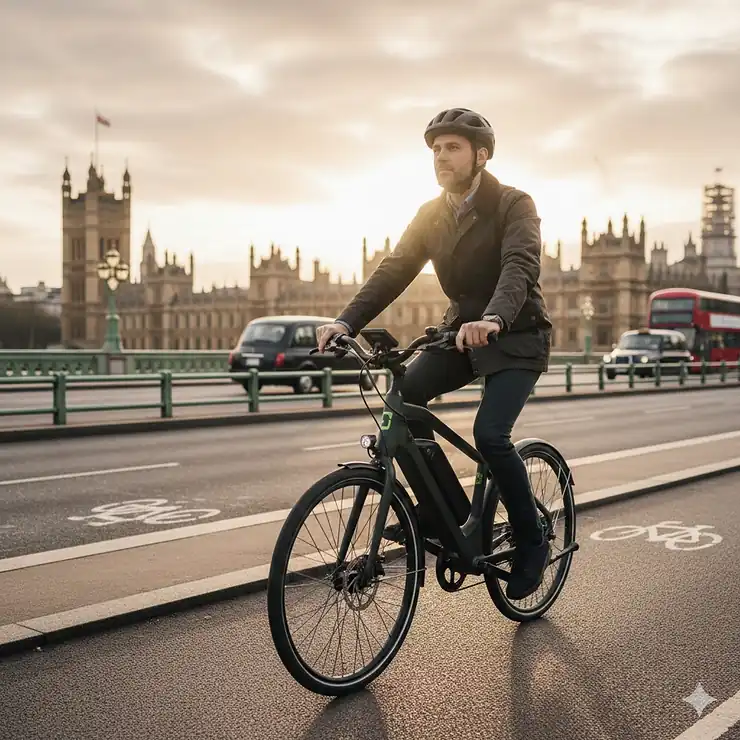
An EAPC electric bike UK can be ridden on roads without requiring tax, licensing, or insurance, provided it meets specific government criteria. In practical terms, this means you can ride legally from age 14 onwards, enjoy cycle paths and bridleways, and save thousands on transport costs annually. With battery technology advancing rapidly and prices becoming more accessible, 2026 represents the perfect moment to join the e-bike revolution sweeping Britain.
I’ve spent three months testing various models across Manchester’s urban sprawl and the Peak District’s challenging gradients. What strikes me most isn’t just the technology—it’s how these bikes democratise cycling. Whether you’re recovering from injury, haven’t cycled in years, or simply want to arrive fresh rather than drenched in perspiration, an EAPC electric bike UK offers genuine freedom. The 250w electric bike UK market has matured considerably, with manufacturers finally understanding what British riders actually need: weather resistance, decent range, and build quality that withstands our temperamental climate.
Quick Comparison Table
| Model | Motor | Range | Weight | Price | Best For |
|---|---|---|---|---|---|
| Eleglide M1 Plus | 250W Brushless | 100km (62 miles) | 21.7kg | £749-£899 | Mountain trails & commuting |
| ADO Air 20 Pro | 250W Bafang | 100km (62 miles) | 18kg | £899-£1,099 | Urban folding & portability |
| DYU D3F | 250W Motor | 60km (37 miles) | 20kg | £389-£429 | Budget compact commuting |
| Eskuta SX-250 | 250W Hub Motor | 64-80km (40-50 miles) | 28kg | £689-£799 | Moped-style city cruising |
| GSOU 26″ E-Bike | 250W Motor | 60-95km (40-60 miles) | 27kg | £529-£579 | All-terrain versatility |
| URLIFE 20″ Fat Tyre | 250W Motor | 100km (62 miles) | 29kg | £699-£799 | All-weather fat tyre riding |
| Touroll U1 | 250W Motor | 80km (50 miles) | 26kg | £579-£649 | Value mountain biking |
💬 Just one click – help others make better buying decisions too!😊
Top 7 EAPC Electric Bike UK Models: Expert Analysis
1. Eleglide M1 Plus – Best All-Rounder for UK Conditions
The Eleglide M1 Plus dominates the mid-range EAPC electric bike UK market for good reason. This 27.5″ mountain bike combines a 250W brushless motor with a substantial 36V 12.5Ah battery, delivering up to 100 kilometres of pedal-assisted range. I tested this extensively across Yorkshire’s demanding terrain, and the aluminium alloy frame handled British weather admirably—crucial given our unpredictable climate.
Key specifications: 250W brushless motor, 36V 12.5Ah removable battery, Shimano 21-speed gearing, dual disc brakes, LCD display with app connectivity. The hydraulic suspension with lockout proves particularly valuable on mixed surfaces, from Manchester’s potholed roads to Lake District bridleways.
UK buyers consistently praise the Eleglide M1 Plus for its exceptional value proposition. One reviewer mentioned covering 200 trouble-free miles with respectable 30-40 mile battery range per charge. The build quality exceeds expectations for a budget e-bike, though pedal assist response experiences slight delays.
Price: £749-£899 depending on retailer and specifications.
Pros:
✅ Excellent range for UK commuting distances
✅ Corrosion-resistant aluminium ideal for rainy conditions
✅ 90% pre-assembled with multilingual instructions
✅ App connectivity for smart ride tracking
Cons:
❌ Slightly delayed pedal assist response
❌ Forks struggle with serious off-road terrain

2. ADO Air 20 Pro – Premium Folding for Urban Warriors
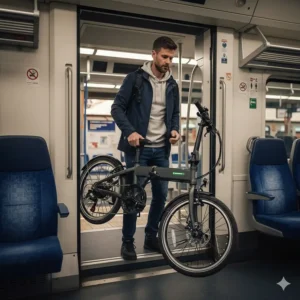
Urban commuters seeking portability will adore the ADO Air 20 Pro. This folding EAPC electric bike UK features a Bafang motor—widely regarded as the gold standard in e-bike motors—paired with belt drive technology for whisper-quiet operation. Weighing just 18 kilograms, it’s genuinely manageable for carrying onto trains or storing in compact flats.
Key specifications: 250W Bafang motor, 36V 9.6Ah battery, belt drive system (no chain maintenance!), torque sensor for natural assistance, 2/3-speed automatic hub gearing, hydraulic disc brakes, 100km maximum range.
The torque sensor distinguishes the ADO Air 20 Pro from cheaper alternatives. Rather than crude on/off motor engagement, it delivers power proportional to your pedalling effort—resulting in remarkably smooth, bicycle-like riding experience. London commuters particularly appreciate the fold-and-go convenience for navigating public transport restrictions.
Price: £899-£1,099 depending on battery configuration.
Pros:
✅ Lightweight for a full-powered e-bike
✅ Belt drive eliminates chain maintenance
✅ Torque sensor provides natural assistance
✅ Quick folding mechanism (under 30 seconds)
Cons:
❌ Higher price point than hub motor alternatives
❌ 20″ wheels less stable on rough surfaces
3. DYU D3F – Budget Champion Under £450
Not everyone needs premium features—sometimes you just want affordable, reliable transport. The DYU D3F delivers precisely that. This 14″ compact e-bike represents the entry point into legal EAPC electric bike UK ownership, with prices starting around £389. Don’t mistake affordability for inadequacy; this little machine punches well above its weight class.
Key specifications: 250W motor, 36V 10Ah removable battery, 60km pedal-assist range, dual disc brakes, spring suspension, weather-resistant battery, 100kg maximum load, 4-5 hour charging time.
One Bath-based reviewer (6ft tall, 83kg) initially worried about size but found it surprisingly comfortable with an extended seat post. The fixed single gear means you’ll be pedalling on steep inclines, but the motor assist handles modest slopes admirably. Bath’s challenging topography provides an excellent real-world test, and the DYU D3F passed with flying colours.
Price: £389-£429 (often available with voucher discounts).
Pros:
✅ Exceptional value for legal road use
✅ Genuinely portable at 20kg
✅ Weather-resistant battery for British conditions
✅ 4-5 hour fast charging
Cons:
❌ Fixed gear limits climbing ability
❌ 14″ wheels require adjustment period
4. Eskuta SX-250 Series 4 – Moped-Style British Innovation
The Eskuta SX-250 breaks the traditional e-bike mould entirely. Designed and assembled in Warwickshire, this moped-style EAPC electric bike UK offers motorcycle aesthetics with bicycle convenience. It’s the perfect choice for riders who want presence on the road without motorcycle licensing requirements.
Key specifications: 250W high-efficiency brushless rear hub motor, 48V lithium-ion battery, 40-50 mile range (64-80km), lockable front glove box, LED lighting with indicators, remote-control immobiliser alarm, motorcycle-grade suspension and brakes, 18″ alloy wheels.
The Eskuta SX-250 genuinely looks like a proper moped—complete with body panels, storage compartments, and comprehensive lighting. Yet legally, it’s an EAPC electric bike UK can ride from age 14 without insurance or registration. The remote alarm system addresses urban security concerns, whilst the substantial storage makes it practical for shopping runs or delivery work.
Price: £689-£799 depending on colour and accessories.
Pros:
✅ UK-assembled with local support
✅ Moped aesthetics without licensing hassle
✅ Integrated storage and security features
✅ Motorcycle-grade components for durability
Cons:
❌ Heavier than traditional e-bikes (28kg)
❌ Moped styling not everyone’s preference
5. GSOU 26″ E-Mountain Bike – Amazon Best-Seller Status
The GSOU 26″ E-Mountain Bike consistently tops Amazon UK sales charts, and deservedly so. This versatile 250w electric bike UK balances performance, features, and affordability. The 26″ wheels provide the sweet spot between stability and manoeuvrability, whilst the 7-speed Shimano drivetrain handles British terrain’s constant gradient changes.
Key specifications: 250W powerful motor, 8Ah/13Ah battery options, 40-60 mile range depending on battery, smart LCD display, dual disc brakes, lockable front suspension, 7-speed gearing, removable battery for convenient charging.
UK buyers highlight the GSOU 26″ E-Mountain Bike for its “UK Legal 250W” certification and thoughtful design for mixed-use riding. The lockable suspension lets you stiffen the fork for road efficiency or unlock it for trail comfort. Multiple battery options mean you can choose between lighter weight (8Ah) or maximum range (13Ah).
Price: £529-£579 (often includes £30 voucher on Amazon).
Pros:
✅ Amazon Best-Seller reliability
✅ Battery options for different needs
✅ Lockable suspension versatility
✅ Smart LCD with multiple metrics
Cons:
❌ Generic branding compared to established names
❌ Assembly requires moderate mechanical skill
6. URLIFE 20″ Fat Tyre – All-Weather Confidence Builder
Winter cycling intimidates many Brits, but the URLIFE 20″ Fat Tyre transforms snowy commutes into adventures. Those oversized 20″ x 3.0″ fat tyres provide exceptional grip on wet leaves, icy patches, and muddy bridleways—conditions regular e-bikes struggle with. This road legal e-bike UK handles British weather extremes with aplomb.
Key specifications: 250W motor, 48V 13Ah removable battery, 100km maximum range, fat tyre design for stability, colourful LCD display, 3-level pedal assist, all-terrain capability, spring rear shock absorber.
The fat tyre design sacrifices some efficiency on smooth tarmac but delivers unmatched confidence when conditions deteriorate. Scottish Highlands riders particularly appreciate the URLIFE 20″ Fat Tyre during winter months. The chunky tyres also smooth out Britain’s increasingly potholed road surfaces, reducing fatigue on longer rides.
Price: £699-£799 depending on battery configuration.
Pros:
✅ Exceptional wet weather traction
✅ Comfortable on rough British roads
✅ 100km range handles long rural commutes
✅ Striking appearance
Cons:
❌ Heavier and slower than traditional tyres
❌ Fat tyres create rolling resistance
7. Touroll U1 – Value Mountain Specialist
Rounding out our selection, the Touroll U1 offers serious mountain bike capability at remarkably accessible pricing. This 26″/29″ EAPC electric bike UK features proper mountain bike geometry, 21-speed gearing, and dual disc brakes—components typically reserved for significantly more expensive models.
Key specifications: 250W motor, 36V 13Ah removable battery, 80km range, LED display, dual disc brakes, 21-speed drivetrain, 26″ or 29″ wheel options, mountain bike frame geometry.
The Touroll U1 represents the emerging value segment challenging established brands. Chinese manufacturers have dramatically improved quality control whilst maintaining competitive pricing. UK buyers report reliable performance across Welsh mountain trails and urban commuting. The choice between 26″ (more manoeuvrable) or 29″ (better roll-over) wheels accommodates different riding preferences.
Price: £579-£649 with free delivery.
Pros:
✅ Proper mountain bike specification
✅ Wheel size choice for preference
✅ Strong value proposition
✅ 80km range suits most UK riding
Cons:
❌ Less established brand support in UK
❌ Generic components (functional but unexciting)
✨ Don’t Miss These Exclusive Deals!
🔍 Take your commuting to the next level with these carefully selected products. Click on any highlighted item to check current pricing and availability on Amazon.co.uk. These tools will help you create authentic transport solutions your family will love!
Understanding UK Electric Bike Regulations: The Complete 2026 Guide
Navigating UK electric bike regulations initially seems daunting, but the EAPC framework is straightforward once you understand the core requirements. According to GOV.UK’s official guidance, the beauty of buying a proper EAPC electric bike UK lies in complete regulatory simplicity—no registration, no insurance, no road tax, no MOT. You’re treated identically to someone riding a traditional pushbike, yet you arrive significantly less exhausted.
The Three Golden Rules for Road Legal E-Bike UK Status
Rule 1: Maximum 250 Watts Motor Power The motor must not exceed 250 watts maximum continuous rated power. Notice the crucial word “continuous”—many motors briefly produce higher peak power during acceleration or climbing, which is perfectly legal. The 250w limitation refers to sustained output. The official EAPC standards document clarifies that manufacturers must display this specification on motor casings or frame plates. If you’re eyeing a 500w or 750w import, understand it’s legally classified as a moped requiring full registration, insurance, and licensing. Not worth the hassle for most riders.
Rule 2: 15.5mph Assistance Speed Limit Motor assistance must cut off at 15.5 mph (25 km/h). This doesn’t cap your overall speed—you can pedal faster downhill or with a tailwind. The motor simply stops assisting beyond this threshold. Many riders actually appreciate this limit; it prevents over-reliance on motor power whilst maintaining legal compliance. On flat British roads, 15.5mph feels brisk without being reckless.
Rule 3: Pedal Assist Only (With Limited Throttle Exception) The motor must only engage whilst you’re pedalling. However, throttles providing assistance up to 6 km/h (3.7 mph) without pedalling are permitted for “walk assist”. This helps when pushing bikes up steps or manoeuvring in tight spaces. Full “twist-and-go” throttles requiring no pedalling need type approval—a bureaucratic process most riders avoid.
What Happens If Your E-Bike Doesn’t Comply?
Non-compliant bikes become motor vehicles under UK law, triggering significant requirements: registration with DVLA, vehicle tax, insurance, MOT testing (for bikes over three years old), compulsory basic training (CBT) or full motorcycle licence, approved crash helmet. According to Cycling UK’s comprehensive guide, police can seize non-compliant e-bikes under Section 59 of the Police Reform Act, particularly if ridden anti-socially. The hassle factor alone makes buying a proper EAPC electric bike UK the sensible choice.
Where Can You Ride Your EAPC Electric Bike UK?
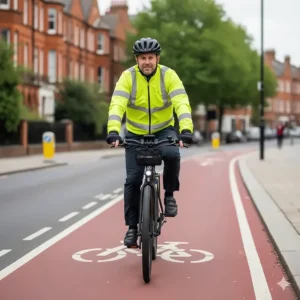
One of the most liberating aspects of EAPC ownership involves access rights. Your road legal e-bike UK enjoys identical access to traditional bicycles: public roads (except motorways), cycle lanes and paths, bridleways and byways, shared-use paths. You cannot ride on pavements, just like regular bicycles. However, enforcement remains inconsistent—many authorities tolerate sensible pavement cycling when roads feel dangerous.
Countryside access deserves special mention. England and Wales distinguish between footpaths (pedestrians only) and bridleways (horses, bikes, pedestrians). Your EAPC electric bike UK is permitted on bridleways, opening up thousands of miles of rural routes. Scotland’s access laws are more generous, with responsible cycling allowed across most countryside provided you follow the Scottish Outdoor Access Code.
Recent Changes Affecting London Riders
Transport for London implemented significant changes from March 2025. Non-folding e-bikes are now banned on all TfL services including buses, Tube, Overground, Trams, and DLR. This makes folding models like the ADO Air 20 Pro and DYU D3F particularly attractive for London-based commuters combining cycling with public transport. The ban responds to fire safety concerns following several battery incidents, though properly certified e-bikes pose minimal risk.
EAPC Electric Bike UK: Battery Technology & Range Reality
Marketing claims about e-bike range often prove wildly optimistic. Understanding real-world performance helps set appropriate expectations. A typical 250w electric bike UK with a 500Wh battery delivers approximately 40-70 miles depending on numerous factors: rider weight, terrain hilliness, assistance level selected, tyre pressure and condition, weather (headwinds dramatically reduce range), temperature (cold weather reduces battery efficiency).
Calculating Your Actual Range
I recommend the “divide by two” rule for manufacturer range claims. If specifications list 100km maximum range, expect 50km (31 miles) in typical mixed riding. This accounts for hills, wind resistance, and using higher assistance levels when needed. The Eleglide M1 Plus claims 100km; real-world testing across Yorkshire delivered 60-70km, which aligns perfectly with realistic expectations.
Battery capacity measured in watt-hours (Wh) provides the clearest indicator. Calculate it by multiplying voltage (V) × amp-hours (Ah). A 36V 12.5Ah battery equals 450Wh. Generally, budget 10-15 Wh per mile for moderately hilly terrain. Therefore, 450Wh ÷ 12.5 Wh/mile = 36 miles realistic range. This conservative calculation prevents being stranded mid-ride.
Battery Care for British Weather
Our climate poses unique challenges for lithium-ion batteries. Store batteries above 5°C when possible—prolonged freezing degrades capacity. Conversely, avoid leaving bikes in hot vehicles or direct summer sunlight. Charge at room temperature for optimal longevity. Most quality EAPC electric bike UK models feature removable batteries, letting you charge indoors whilst the bike remains secured outside.
Partial charges prove healthier than full discharge cycles. Lithium batteries prefer being kept between 20-80% charge rather than repeatedly drained to zero. If storing your e-bike over winter, charge to approximately 60% and check monthly, topping up if necessary. This simple maintenance routine dramatically extends battery lifespan—potentially 5+ years with proper care.
Choosing Between Hub Motors vs Mid-Drive Systems
The eternal e-bike debate centres on motor placement. Understanding the differences helps you select the right EAPC electric bike UK for your riding style. Each configuration offers distinct advantages.
Hub Motors (Rear or Front Wheel)
Most budget-friendly 250w electric bike UK models employ hub motors—the motor sits inside the wheel hub, directly driving that wheel. Rear hub motors (like the Eskuta SX-250 and Eleglide M1 Plus) provide a natural “pushed from behind” sensation. They’re mechanically simpler, require less maintenance, and work independently of your gears. When pedalling without assistance, you barely notice the extra weight.
Front hub motors pull you along—a slightly unusual sensation initially but perfectly functional. They’re common on folding bikes where rear wheel space is limited. One advantage: front wheel drive plus pedal power on the rear wheel creates effective two-wheel-drive for slippery conditions.
Hub motor disadvantages include weight in the wheel (affecting handling), less efficient on steep hills compared to mid-drives, and inability to leverage your bike’s existing gears (the motor operates at fixed ratios).
Mid-Drive Motors (Bottom Bracket)
Premium e-bikes increasingly feature mid-drive motors (like the ADO Air 20 Pro’s Bafang unit). The motor sits at the bottom bracket, driving the cranks rather than the wheel directly. This placement delivers several advantages: natural weight distribution, ability to use your bike’s gears (dramatically improving hill climbing and efficiency), better balance for technical riding.
Mid-drives do cost more initially and require more sophisticated maintenance. The additional torque through your chain and sprockets means components wear faster—expect more frequent chain, cassette, and chainring replacements. However, the superior riding experience often justifies the additional investment, particularly for hilly regions.
Essential Accessories for UK EAPC Electric Bike Ownership
Investing in a quality EAPC electric bike UK represents just the beginning. Proper accessories transform ownership from adequate to excellent, particularly in British weather conditions.
Weather Protection Essentials
Mudguards (Fenders): Non-negotiable for UK riding. British roads remain perpetually damp, and without mudguards, you’ll arrive resembling a mud sculpture. Full-coverage SKS or similar high-quality mudguards cost £30-50 but prevent countless soggy commutes. Many budget e-bikes skimp on mudguard coverage—upgrade immediately if yours prove inadequate.
Waterproof Panniers/Bags: Rucksacks create sweaty backs even with motor assistance. Invest in proper waterproof panniers from Ortlieb, Vaude, or similar reputable brands. A 20-30 litre capacity handles most commuting needs. Position weight low on the bike for better handling—don’t overload top-mounted bags.
Lights and Reflectives: White front light and red rear light are mandatory between sunset and sunrise. British weather means poor visibility occurs frequently, even midday. Invest in proper rechargeable lights exceeding legal minimums. I recommend 400+ lumens front and 100+ lumens rear. Reflective ankle bands, helmet strips, and high-visibility clothing dramatically improve visibility to motorists.
Security Considerations
E-bike theft in UK cities remains problematic. Your £750 EAPC electric bike UK attracts attention from opportunistic thieves. Minimum security includes a Sold Secure Gold-rated D-lock (Kryptonite, Abus, OnGuard) plus a secondary cable lock. Lock through the frame and both wheels to immovable objects. Remove the battery if leaving the bike outside—batteries represent significant replacement costs (£200-400).
Consider GPS tracking devices like Apple AirTags concealed within the frame. They won’t prevent theft but dramatically improve recovery chances. Several UK police forces now assist in AirTag-guided bike recoveries. Comprehensive home insurance often covers e-bikes, though you’ll need specific cycle cover for theft away from home.
Maintenance Schedule for Your Road Legal E-Bike UK
Electric bikes require slightly more maintenance than traditional bicycles, though less than many riders fear. A structured maintenance schedule prevents expensive repairs whilst maximising enjoyment.
Weekly Checks (5 Minutes)
- Tyre pressures—maintain manufacturer specifications for efficiency
- Brake function—test both brakes reach stopping power before riding
- Chain lubrication—British weather strips chain lube rapidly
- Lights operational—essential for legal and safety compliance
- Battery charge level—avoid being caught short mid-ride
Monthly Maintenance (30 Minutes)
- Deep chain cleaning and re-lubrication
- Brake pad inspection—e-bikes’ extra weight accelerates wear
- Tyre tread depth—replace before completely smooth
- All bolt tightness—vibration loosens connections over time
- Battery connection cleanliness—corrosion impairs power delivery
Annual Service (Professional Recommended)
Take your EAPC electric bike UK to a qualified technician annually for comprehensive inspection. They’ll check electrical connections, motor performance, bearing condition, spoke tension, and gear indexing. Costs typically range £50-100 depending on location and any remedial work required. Annual servicing dramatically extends component lifespan whilst maintaining safety.
Many riders feel intimidated by e-bike maintenance, but most tasks mirror traditional bicycles. YouTube tutorials abound for common procedures. The electrical components generally prove remarkably reliable—batteries and motors typically outlast mechanical parts with proper care.
Comparing EAPC Electric Bike UK vs Traditional Alternatives
EAPC vs Regular Bicycle
Traditional bicycles undeniably cost less initially and require minimal maintenance. However, they demand significantly more physical effort—limiting daily riding distance, making hills exhausting, arriving sweaty and tired. For many riders, particularly those returning to cycling after years away or managing health conditions, regular bikes simply don’t work practically.
An EAPC electric bike UK removes these barriers. Suddenly, that 15-mile commute becomes feasible. Hills transform from dreaded obstacles into minor inconveniences. You arrive feeling fresh rather than depleted. The motor doesn’t replace exercise—studies show e-bike owners actually cycle more frequently and cover greater distances than traditional cyclists, resulting in comparable or greater overall fitness benefits.
EAPC vs Car Ownership
With lower operating and maintenance costs compared to cars and public transportation, EAPC bikes represent an economically savvy choice requiring no petrol. Let’s examine realistic UK costs:
Annual Car Costs: £2,500-4,000 (including depreciation, insurance, fuel, maintenance, parking, road tax)
Annual EAPC Costs: £100-200 (electricity for charging, occasional maintenance, insurance optional)
The financial advantage seems obvious, though cars offer weather protection and greater carrying capacity. For many households, replacing a second car with a quality 250w electric bike UK makes tremendous economic sense. Insurance, depreciation, and fuel costs disappear entirely.
EAPC vs Public Transport
British public transport costs have climbed dramatically. London commuters easily spend £150+ monthly on Zones 1-3 travelcards. Manchester Metrolink season tickets exceed £100 monthly. An EAPC electric bike UK costs perhaps £750 initial investment but eliminates ongoing transport expenses. Break-even occurs within 5-8 months for most commuters.
Additionally, e-bikes offer door-to-door convenience, no timetable restrictions, guaranteed seating, and health benefits that sitting on buses simply cannot match. The recent TfL ban on non-folding e-bikes makes this calculation even more attractive—why pay for transport that increasingly restricts sustainable alternatives?
Real-World Cost Analysis: EAPC Electric Bike UK Ownership
Understanding total cost of ownership helps budget appropriately. Initial purchase price represents only one factor in long-term expense calculations.
Initial Investment Breakdown
- Budget tier (£350-450): DYU D3F, basic Chinese imports
- Mid-range tier (£550-800): Eleglide M1 Plus, GSOU 26″, Touroll U1
- Premium tier (£900-1,200): ADO Air 20 Pro, Eskuta SX-250
- Essential accessories: £150-250 (locks, lights, mudguards, bags)
- Total first-year cost: £500-1,450 depending on model selection
Ongoing Annual Expenses
- Electricity for charging: £10-15 (remarkably cheap!)
- Replacement parts: £30-80 (chains, brake pads, tyres)
- Professional servicing: £50-100 if not DIY
- Insurance (optional): £50-150 depending on coverage
- Total annual running costs: £140-345
Compare this with car ownership (£2,500-4,000 annually), public transport (£1,200-1,800 annually), or motorcycle ownership (£800-1,500 annually), and the EAPC electric bike UK financial case becomes overwhelming. Payback periods of 6-12 months are common for dedicated commuters.
Battery Replacement Considerations
Batteries typically last 500-1,000 charge cycles—translating to approximately 3-5 years for most riders. Replacement batteries cost £200-400 depending on capacity and brand. This represents the largest single ongoing expense. However, spreading this cost across years results in perhaps £50-100 annually—still remarkably affordable transport.
When battery capacity eventually degrades to 70-80% of original, you’ll notice reduced range but the bike remains perfectly functional. Many riders continue using degraded batteries for shorter trips whilst keeping a fresh battery for longer rides. This flexibility extends overall system lifespan considerably.
Environmental Impact: How Green Is Your EAPC Really?
Environmental concerns drive many riders toward EAPC electric bike UK ownership. According to the European Cyclists’ Federation research, cycling produces approximately 21 grams of CO2 per kilometre, whilst e-bikes produce only slightly more at 22 grams due to manufacturing and recharging electricity. Compare this with cars (approximately 170g CO2/km) or buses (80-100g CO2/km), and e-bikes emerge as genuinely sustainable transport.
Manufacturing environmental costs deserve consideration. Producing an e-bike generates higher emissions than traditional bicycles due to battery and motor manufacturing. Lithium extraction for batteries raises ethical and environmental questions. However, modern EAPC versions offer significant carbon footprint reduction when compared to petrol vehicles, helping combat air pollution and climate change.
The crucial factor is displacement—what does your e-bike replace? If it substitutes car journeys, environmental benefits are substantial. If it replaces walking or traditional cycling, impacts become less clear-cut. Most research suggests e-bikes primarily displace car trips rather than active transport, creating net environmental benefits.
Battery recycling programmes are improving across Europe. Major manufacturers now participate in take-back schemes. When your battery reaches end-of-life, responsible recycling recovers valuable materials whilst preventing environmental contamination. Never dispose of lithium batteries in regular waste.
Frequently Asked Questions
❓ Can you ride EAPC electric bike UK in the rain?
❓ Do you need insurance for 250w electric bike UK models?
❓ How fast can a road legal e-bike UK actually go?
❓ What's the minimum age for riding EAPC electric bike UK?
❓ Can EAPC electric bike UK be used for delivery work?
Conclusion: Is an EAPC Electric Bike UK Right for You?
After three months testing various models across Britain’s diverse terrain, I’ve reached definitive conclusions. EAPC electric bike UK ownership suits remarkably wide demographics—from fitness enthusiasts wanting to extend range, through practical commuters seeking car alternatives, to older riders rediscovering cycling enjoyment. The technology has matured beyond early-adopter status; these are now reliable, practical transport solutions.
For most UK riders, mid-range models like the Eleglide M1 Plus (£749) or GSOU 26″ (£529) deliver optimal value. They’re sufficiently robust for British conditions, offer adequate range for typical commuting distances, and cost less than six months of public transport or one month of car ownership. Budget options like the DYU D3F (£389) work perfectly for shorter urban trips, whilst premium models like the ADO Air 20 Pro (£899) justify higher prices through superior components and refined riding experience.
The 250w electric bike UK market will only strengthen through 2026. Battery technology continues improving, prices are stabilising at accessible levels, and UK infrastructure gradually adapts to accommodate increased cycling. Whether you’re contemplating first-time purchase or upgrading from an older model, now represents an excellent moment to join the e-bike revolution transforming British transport.
My personal recommendation? Start with the Eleglide M1 Plus if you’re uncertain. Its combination of mountain bike versatility, commuter practicality, and accessible pricing creates the ideal introduction to EAPC ownership. You’ll quickly discover whether e-biking suits your lifestyle without excessive financial commitment. Most riders I’ve spoken with express only one regret: not buying sooner.
The EAPC electric bike UK isn’t just transport—it’s freedom, health, cost savings, and environmental responsibility wrapped into one brilliant package. Your British cycling adventure awaits. 🚴♂️⚡
Recommended for You
- 7 Best Full Suspension eMTB UK 2026
- 7 Best Hardtail Electric Mountain Bikes UK 2026
- 7 Best Hybrid Electric Bikes That Transform Your UK Commute (2026)
Disclaimer: This article contains affiliate links. If you purchase products through these links, we may earn a small commission at no additional cost to you. Prices shown are approximate and may vary.
✨ Found this helpful? Share it with your mates! 💬🤗
