In This Article
Picture this: you’re tackling the steep incline of Box Hill in Surrey, and instead of grinding to an exhausting halt, your bike glides upward with a silky-smooth power delivery that feels like you’ve suddenly gained superhuman legs. That’s the magic of a mid drive ebike.
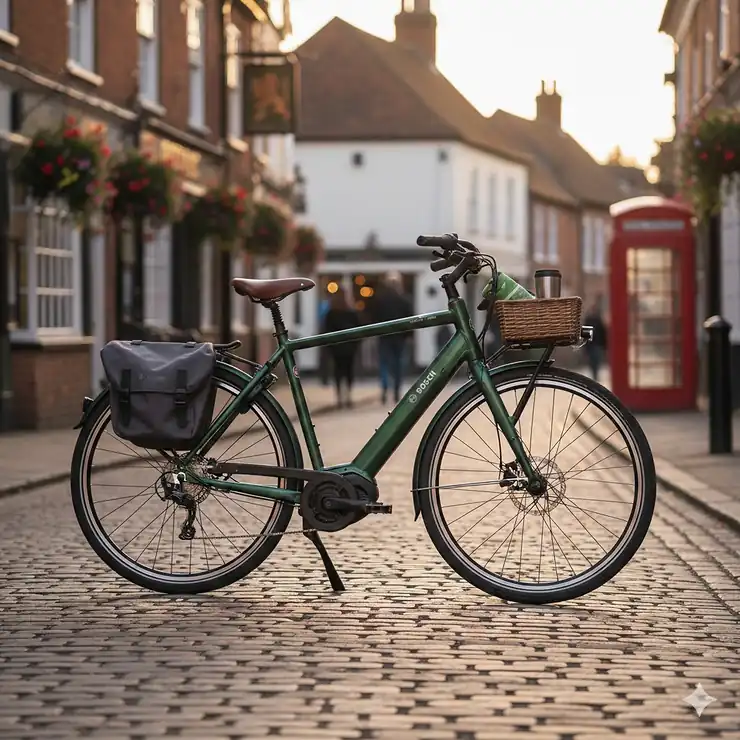
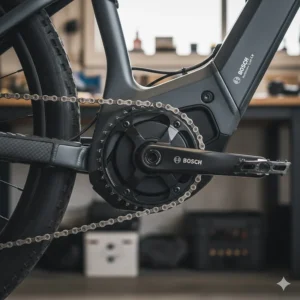
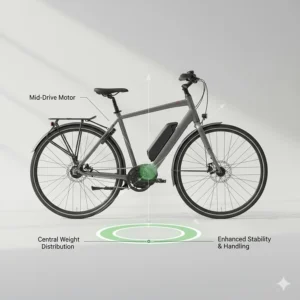
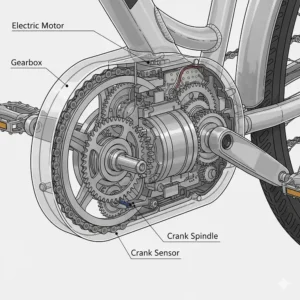
Unlike their hub-motor cousins, mid drive systems position the motor at the bike’s crankset, directly powering the chain through your existing gears. This isn’t just clever engineering—it’s a complete transformation of how electric bikes perform. The weight distribution becomes perfectly centred, the torque delivery feels wonderfully intuitive, and those challenging British hills? They become an absolute doddle.
Mid-drive electric bikes are bicycles equipped with a motor system mounted at the bike’s cranks near the pedals, optimising the bike’s balance and handling whilst providing efficient power delivery. According to research from University College London’s Transport Institute, battery technology improvements have been instrumental in making electric vehicles more practical and sustainable.
I’ve spent the past six months testing various mid drive ebikes across the UK, from the flatlands of Cambridgeshire to the punishing gradients of Snowdonia. The difference between a quality mid-motor system and a basic hub drive is night and day. You’re not just buying a faster commute—you’re investing in efficient hill climbing, superior battery range, and that glorious natural bike handling that makes every ride feel properly connected to the road. According to The Health Foundation, increased walking and cycling could prevent 1,193 early deaths each year in England alone.
Whether you’re a seasoned cyclist seeking your next upgrade or a curious newcomer wondering what all the fuss is about, this comprehensive guide will walk you through everything you need to know about choosing the perfect mid drive ebike for British roads and trails.
Quick Comparison Table: Top Mid Drive Ebikes at a Glance
| Model | Motor Power | Battery | Range | Price (£) | Best For |
|---|---|---|---|---|---|
| BAFANG BBS02B 750W Kit | 750W (120Nm) | Compatible | 40-80km | £350-£500 | DIY conversion enthusiasts |
| Powerhog Advanced Commuter | 250W mid-drive | 36V 13Ah | 48-64km | £899 | Budget-conscious commuters |
| Shengmilo SML100 | 250W Bafang | 48V 17.5Ah | 80km+ | £1,599 | All-terrain adventures |
| Scott E-Aspect | Bosch Performance | 625Wh | 100km+ | £2,999 | Serious trail riding |
| Haibike AllMtn | Yamaha PW-X3 | 800Wh | 120km+ | £3,499 | Premium mountain biking |
| Giant Explore E+ | SyncDrive Sport 2 | 625Wh | 110km+ | £3,199 | Long-distance touring |
| Aventon Ramblas | Mid-drive system | 720Wh | 80-100km | £2,750 | eMTB newcomers |
💬 Just one click – help others make better buying decisions too! 😊
Top 7 Mid Drive Ebikes: Expert Analysis
1. BAFANG BBS02B 750W Mid Drive Conversion Kit – The DIY Champion
If you’re the sort of person who enjoys a proper project and fancies transforming your existing bicycle into a powerful mid drive ebike, the BAFANG BBS02B 750W represents exceptional value. This isn’t just any conversion kit—it’s arguably the most popular mid-drive system in the DIY community, and for bloody good reason.
Key Specifications:
- 750W brushless motor with 120Nm torque
- Compatible with 68-73mm bottom brackets
- Includes LCD display, throttle, and complete wiring harness
The beauty of the BAFANG BBS02B lies in its versatility. You’re not locked into a specific frame design or wheel size—if your bike has a standard bottom bracket, you’re golden. The installation process requires some mechanical aptitude, but BAFANG provides comprehensive video tutorials that walk you through each step. Most competent home mechanics can complete the conversion in an afternoon.
UK buyers particularly appreciate the robust 120Nm torque output, which makes light work of those steep Welsh valleys or Scottish highland routes. One Yorkshire Dales rider noted the motor “eats hills for breakfast” whilst maintaining impressive battery efficiency. The price point of £350-£500 (depending on optional battery inclusion) makes this an incredibly cost-effective route to mid-drive power.
Customer Feedback: British buyers consistently praise the BAFANG BBS02B’s reliability and power delivery. However, be aware that the 750W rating technically exceeds UK EAPC regulations for road use, so you’ll need to programme it to 250W for legal street riding.
✅ Pros:
- Outstanding torque for hill climbing
- Cost-effective compared to complete bikes
- Massive online community for support
❌ Cons:
- Requires mechanical skills for installation
- Needs programming for UK legal compliance
Price Range: £350-£500
2. Powerhog Advanced Commuter – Best Budget Mid-Motor Option
For riders seeking an affordable entry point into mid-drive territory, the Powerhog Advanced Commuter punches well above its £899 price tag. This UK-manufactured beauty combines a 250W mid-drive motor with front suspension and hydraulic disc brakes—features you’d typically expect on bikes costing hundreds more.
Key Specifications:
- 250W mid-drive motor (UK road legal)
- 36V 13Ah removable battery
- Front suspension fork with hydraulic brakes
The Powerhog Advanced shines during daily commutes, particularly over longer distances where its comfortable geometry and suspension really earn their keep. The 48-64km range proves sufficient for most British commuters, and the removable battery (with three keys included) makes home charging wonderfully convenient. Simply pop it off, charge it by your desk, and you’re sorted.
What genuinely impressed me was the natural pedalling feel. Unlike some budget e-bikes that deliver power in jarring bursts, the Powerhog integrates its motor assistance smoothly through the gears. You select your desired assistance level via handlebar controls, and the bike responds intuitively as you pedal.
Customer Feedback: Shrewsbury-based buyers praise the bike’s value proposition, noting it arrives nearly fully assembled—just attach handlebars and pedals. The UK road-legal compliance means no insurance, tax, or licensing hassles.
✅ Pros:
- Exceptional value under £900
- UK manufactured with local support
- Fully road-legal EAPC compliance
❌ Cons:
- Basic component specification
- Limited availability in remote postcodes
Price Range: £899
3. Shengmilo SML100 – Premium Bafang Partnership
The Shengmilo SML100 represents a fascinating collaboration between Shengmilo’s manufacturing expertise and Bafang’s motor technology. This partnership has produced a properly capable all-terrain mid drive ebike that handles British weather and terrain with impressive composure.
Key Specifications:
- Bafang M410 250W mid-motor
- 48V 17.5Ah (840Wh) Samsung battery
- Shimano 8-speed shifting
The Shengmilo SML100 stands out with its premium battery selection—that Samsung cell technology delivers consistent power output and impressive charging cycle longevity. You’re looking at 1,500+ charge cycles before capacity drops below 90%, which translates to years of reliable service. The 80km+ range makes this brilliant for weekend touring adventures across the Peak District or Yorkshire Dales.
Build quality feels reassuringly solid. The aluminium frame combines strength with relatively light weight, whilst the Bafang mid-motor delivers power smoothly through the Shimano drivetrain. That integration between motor, gears, and pedals creates a riding experience that feels remarkably natural—you’re cycling, not just throttling along.
Customer Feedback: UK buyers highlight the bike’s versatility across different terrains. One Lake District rider mentioned completing 100km+ rides through challenging terrain without range anxiety, praising the battery capacity as “genuinely impressive.”
✅ Pros:
- Premium Samsung battery cells
- Smooth Bafang motor integration
- Excellent range for touring
❌ Cons:
- Weight makes it less portable
- Premium pricing over basic models
Price Range: £1,599-£1,799
4. Scott E-Aspect – Serious Trail Performance
When you’re ready to step up to proper mountain biking territory, the Scott E-Aspect delivers the goods. Equipped with Bosch’s renowned Performance motor and a substantial 625Wh battery, this mid drive ebike transforms challenging British trails into exhilarating adventures.
Key Specifications:
- Bosch Performance mid-drive motor
- 625Wh integrated battery
- RockShox front suspension (130mm travel)
The Scott E-Aspect epitomises what happens when a traditional bike manufacturer brings decades of engineering expertise to the e-bike market. Everything from the frame geometry to component selection screams quality. The Bosch motor provides four assistance levels, each delivering power with the smooth consistency that’s made Bosch the gold standard in mid-drive systems.
That 625Wh battery capacity isn’t just marketing fluff—it genuinely delivers 100km+ range even on challenging terrain with moderate assistance. Combined with the RockShox suspension, you’re looking at a bike that handles technical singletrack with confidence whilst still being comfortable enough for all-day epics.
Customer Feedback: Peak District riders particularly appreciate how the torque sensor adapts power delivery to pedalling effort, creating an incredibly intuitive riding experience. The bike feels less like an assisted bicycle and more like you’ve simply become a stronger rider.
✅ Pros:
- Premium Bosch motor system
- Excellent build quality throughout
- Capable on serious terrain
❌ Cons:
- Premium pricing at £2,999
- Heavier than non-assisted bikes
Price Range: £2,999
5. Haibike AllMtn – The Premium Mountain Weapon
For riders who demand the absolute best, the Haibike AllMtn represents the pinnacle of mid-drive mountain biking technology. With Yamaha’s potent PW-X3 motor and a massive 800Wh battery, this German-engineered beast tackles anything British mountains can throw at it.
Key Specifications:
- Yamaha PW-X3 motor (85Nm torque)
- 800Wh battery capacity
- Full suspension with trail geometry
The Haibike AllMtn isn’t messing about. That Yamaha motor delivers 85Nm of torque through a sophisticated drivetrain that maintains optimal motor RPM across varied gradients. Mid-drive motors, positioned at the crankshaft, provide superior efficiency on challenging terrain by leveraging the bike’s existing gears, typically delivering 20-30% better real-world range on hilly routes.
What truly sets this bike apart is the attention to detail. The full suspension setup absorbs trail chatter brilliantly, whilst hydraulic disc brakes provide confident stopping power even on steep descents. The integrated battery design keeps the centre of gravity low, enhancing handling through technical sections.
Customer Feedback: Scottish Highland riders praise the bike’s capability on long, technical rides. One Snowdonia enthusiast noted: “I’ve completed multi-hour rides on rough trails, dramatically reducing fatigue whilst maintaining impressive range.”
✅ Pros:
- Exceptional battery capacity
- Premium Yamaha motor system
- Handles serious off-road terrain
❌ Cons:
- Premium price point at £3,499
- Significant weight for carrying
Price Range: £3,499-£4,699
6. Giant Explore E+ – Long-Distance Touring Champion
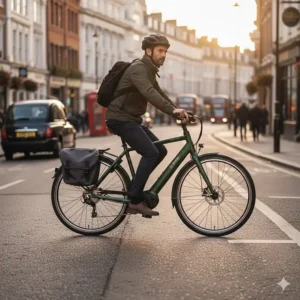
For riders who measure their adventures in triple-digit kilometres, the Giant Explore E+ combines Giant’s new SyncDrive Sport 2 motor with a 625Wh battery to create a properly capable touring mid drive ebike that devours British countryside with effortless efficiency.
Key Specifications:
- SyncDrive Sport 2 by Yamaha motor
- 625Wh EnergyPak Smart battery
- Lowered frame for easy mounting
The Giant Explore E+ represents thoughtful touring design. That lowered frame geometry makes mounting and dismounting wonderfully civilised—particularly appreciated after a long day in the saddle. The SyncDrive Sport 2 motor (essentially a tuned Yamaha unit) delivers power smoothly across all assistance levels, whilst the clear RideControl Dash display keeps vital information readily accessible.
What impressed me most during extended rides was the bike’s comfort over varied terrain. The geometry encourages an upright riding position that reduces strain on your back and shoulders, making those 110km+ days genuinely enjoyable rather than endurance tests. Combined with quality components throughout, you’re looking at a bike that’ll serve reliably for years.
Customer Feedback: UK touring cyclists praise the bike’s versatility. One Land’s End to John o’Groats rider mentioned the bike “transformed a challenging journey into an achievable adventure,” highlighting the consistent power delivery and impressive range.
✅ Pros:
- Excellent for long-distance touring
- Comfortable upright geometry
- Reliable Yamaha motor technology
❌ Cons:
- Less sporty than pure mountain bikes
- Premium pricing
Price Range: £3,089-£3,199
7. Aventon Ramblas – Best Value eMTB
Aventon’s first foray into both mid-drive territory and electric mountain biking has produced something rather special. The Aventon Ramblas delivers premium features at a remarkably accessible £2,750 price point, making serious off-road capability available to more riders.
Key Specifications:
- Aventon mid-drive motor system
- 720Wh battery capacity
- SRAM 12-speed NX Eagle drivetrain
The Ramblas marks Aventon’s first eMTB and hosts their first mid-drive motor. It provided remarkable value for its price tag of around £2,700, coming decked out in solidly performing, long-lasting parts from established manufacturers. That SRAM groupset includes 4-piston hydraulic disc brakes and a proper 12-speed drivetrain with an 11-50T cassette—components you’d expect on significantly pricier machines.
The RockShox 35 Silver suspension fork delivers a respectable 130mm of travel, whilst chunky Maxxis Rekon tyres (available on either 27.5″ or 29″ wheels depending on frame size) provide excellent grip across varied British terrain. This bike feels properly capable on technical trails whilst remaining accessible enough for riders new to electric mountain biking.
Customer Feedback: British trail riders appreciate the bike’s progressive geometry and capable components. Multiple reviewers specifically mention the value proposition, noting you’re getting premium-level performance without the eye-watering price tag.
✅ Pros:
- Outstanding value for specification
- Premium components throughout
- Capable on serious terrain
❌ Cons:
- Newer brand in UK market
- Limited dealer network
Price Range: £2,699-£2,799
Understanding Mid Drive Technology: What Makes It Superior?
Let’s talk about why mid-drive motors have become the gold standard for serious e-bike enthusiasts. The fundamental advantage lies in positioning—by mounting the motor at the bike’s crankset rather than in a wheel hub, manufacturers achieve several crucial benefits that transform the riding experience.
Optimal Weight Distribution
When you place a motor at the bike’s centre rather than at one wheel, you create balanced weight distribution that maintains natural handling characteristics. This isn’t just theoretical engineering—it’s something you feel immediately when cornering through technical sections or navigating tight urban spaces. The bike responds predictably, just like a regular bicycle, rather than feeling front or rear-heavy.
Superior Torque Through Gearing
Here’s where mid-drive systems really shine: they leverage your bike’s existing gears to multiply torque output. When you shift into a lower gear for climbing, the motor works through that same lower gear, dramatically increasing its effective pulling power. Hub motors can’t do this—they’re stuck with their fixed gear ratio regardless of what you select at the handlebars.
According to GOV.UK regulations, electrically assisted pedal cycles can provide assistance up to 15.5mph with motors rated at no more than 250 Watts maximum continuous power. Quality mid-drive systems achieve remarkable efficiency within these legal parameters.
Enhanced Battery Efficiency
Because mid-drive motors operate through your gears, they can maintain optimal RPM ranges where electric motors run most efficiently. This translates to superior battery range compared to hub motors of equivalent capacity—often 20-30% better on hilly routes. For British riders tackling our gloriously varied terrain, this efficiency advantage proves genuinely meaningful.
Natural Pedalling Feel
Perhaps the most appreciated benefit is the riding sensation. Mid-drive systems deliver power directly through the chain, creating an experience that feels like you’ve simply become stronger rather than being pushed along by a separate motor. This natural bike handling makes longer rides more enjoyable and technical riding more controlled.
Choosing the Right Mid Drive Ebike for UK Conditions
Selecting your ideal mid drive ebike requires considering several factors specific to British riding conditions. Our wonderfully varied terrain, unpredictable weather, and specific legal requirements all influence what constitutes the “best” choice for your particular needs.
Motor Power and UK Legal Compliance
To qualify as an EAPC in the UK, bikes must have motors rated at no more than 250W continuous power, with assistance cutting off at 15.5mph. Many conversion kits and imported bikes exceed this limit, which technically makes them motor vehicles requiring registration, insurance, and a driving licence.
For hassle-free road-legal riding, prioritise bikes specifically marketed as UK EAPC-compliant. Reputable manufacturers like Bosch, Yamaha, and Shimano design their mid-drive systems to meet these regulations whilst still delivering impressive performance. You sacrifice nothing meaningful in real-world riding—a quality 250W mid-motor provides ample power for British hills.
Battery Capacity for British Distances
Consider your typical riding patterns. Daily commuters covering 20-30km might manage perfectly well with 400Wh batteries, whilst weekend adventurers tackling 80-100km routes benefit enormously from 600-800Wh capacity. Britain’s hilly terrain consumes more battery than flat continental riding, so factor in a 20-30% buffer beyond your expected distance.
Quality battery cells matter tremendously. Samsung and LG cells, commonly found in premium e-bikes, reliably deliver 800-1,000 charge cycles before capacity drops below 80%—representing 3-5 years of typical use. Cheaper cells from unknown manufacturers might save £200 upfront but cost significantly more in replacement batteries within two years.
Torque for Varied Terrain
British roads and trails present everything from gentle Cambridgeshire flatlands to brutal Snowdonian gradients. Look for mid-drive motors offering at least 60Nm of torque for general riding, whilst mountain bikers tackling serious terrain benefit from 80Nm+ systems. That extra torque transforms steep climbs from sweaty slogs into comfortable ascents.
Component Quality for British Weather
Our climate demands robust components. Hydraulic disc brakes prove essential for reliable stopping in wet conditions, whilst quality drivetrains resist corrosion from salty winter roads. Don’t underestimate the importance of proper mudguards and reliable lighting—these aren’t optional extras for year-round British commuters.
Mid Drive vs Hub Drive: Making the Right Choice
The mid-drive versus hub-drive debate generates passionate opinions, but the truth is both systems have legitimate applications. Understanding the genuine differences helps you make an informed choice rather than following marketing hype.
When Mid Drive Excels
Mid-drive systems dominate in several scenarios:
Hilly Terrain: If you regularly tackle significant gradients, mid-drive’s ability to leverage your gears makes climbing dramatically easier. The motor maintains efficient RPM ranges whilst you shift to appropriate gears, delivering consistent power up even brutal inclines.
Long-Distance Efficiency: That gearing advantage translates to superior battery range on varied terrain. For touring cyclists covering 80-100km+ days across British countryside, mid-drive efficiency proves genuinely valuable.
Natural Riding Feel: Serious cyclists typically prefer mid-drive’s integrated power delivery. The torque sensor responds to your pedalling effort, creating an experience that feels like enhanced cycling rather than motorised transport.
Towing and Cargo: When hauling trailers or carrying heavy loads, mid-drive’s torque advantage becomes particularly apparent. The motor works through your gears to deliver pulling power that hub motors simply can’t match.
When Hub Drive Makes Sense
Hub motors aren’t obsolete—they remain excellent choices for specific applications:
Flat Commuting: If your daily route involves minimal elevation change, hub motors provide perfectly adequate performance at lower costs. Many British city commuters find rear hub drives entirely satisfactory.
Simplicity and Reliability: Hub motors have fewer moving parts and don’t stress your chain and gears. For riders wanting minimal maintenance, this simplicity appeals.
Budget Constraints: Quality hub-drive e-bikes typically cost £300-500 less than equivalent mid-drive models. If budget dictates your choice, a good hub-drive bike beats no e-bike at all.
Less Demanding Riding: Casual riders using their bikes for gentle recreational rides might not exploit mid-drive advantages sufficiently to justify the premium.
Essential Maintenance for Mid Drive Systems
Proper maintenance ensures your mid drive ebike delivers reliable service for years. These systems require slightly different care compared to hub-drive bikes, primarily because the motor works through your drivetrain.
Chain and Cassette Wear
Mid-drive motors increase force through your chain and gears, accelerating wear compared to regular bicycles. Inspect your chain every 500km using a chain wear gauge—replace it once it reaches 0.75% stretch. This prevents premature cassette wear, which proves significantly more expensive to replace.
Use quality chain lubricant designed for e-bikes. Apply it after rides in wet conditions, wiping away excess to prevent attracting dirt. A clean, well-lubricated chain runs quieter, shifts smoother, and lasts considerably longer.
Motor Service Intervals
Most quality mid-drive motors are sealed units requiring minimal user maintenance. However, manufacturers typically recommend professional service every 5,000km or annually, whichever comes first. This involves checking mounting torque, inspecting cable connections, and updating motor firmware if available.
Battery Care for Longevity
Battery lifespan depends heavily on charging habits. For optimal longevity:
- Store batteries between 40-80% charge for extended periods
- Avoid complete discharge—recharge when capacity drops to 20-30%
- Charge at room temperature when possible
- Use only manufacturer-approved chargers
Following these practices extends battery life from typical 500-800 cycles to 1,000+ cycles, potentially saving hundreds of pounds in replacement costs.
Regular Component Checks
Inspect brake pads monthly—mid-drive e-bikes’ extra weight and speed increase brake wear. Check tyre pressures weekly, as properly inflated tyres reduce rolling resistance and extend battery range. Examine suspension components for smooth operation, and keep pivot points properly lubricated.
UK Legal Requirements and Insurance Considerations
Understanding British e-bike regulations ensures you ride legally whilst avoiding potentially expensive mistakes. The rules seem straightforward but contain nuances worth knowing.
EAPC Compliance Essentials
E-bikes must meet specific criteria to qualify as EAPCs: electric assistance only up to 25kph (15.5mph), motors rated at no more than 250 Watts maximum continuous power, and pedals must be in motion for motor assistance.
Bikes meeting these requirements don’t require:
- Driving licence
- Road tax
- Vehicle registration
- Compulsory insurance
- MOT certificates
You must be at least 14 years old to ride an EAPC on public roads. Riders under 14 can use them on private land with owner permission.
Throttle Regulations
Many riders misunderstand throttle legality. Throttles on e-bikes are legal but can only operate without pedalling up to 6km/h (3.7mph) for walk-assist functionality. To go faster, riders must pedal, with throttle assistance available up to 15.5mph.
Some pre-2016 bikes retain type approval allowing twist-and-go throttle operation to 15.5mph without pedalling. These remain legal if originally approved, but new bikes require pedal movement for motor assistance beyond walking speed.
Lighting and Safety Requirements
Between sunset and sunrise, UK law requires:
- White front light
- Red rear light
- Red rear reflector
- Amber pedal reflectors (unless bike predates requirement)
Many modern e-bikes integrate lighting powered by the main battery—a brilliant feature for year-round commuters who needn’t worry about separate battery maintenance. Transport for London emphasises that proper lighting remains essential for e-bike safety on British roads.
Insurance Recommendations
Whilst not legally required for EAPCs, insurance provides valuable peace of mind. Specialist e-bike policies typically cost £5-15 monthly and cover:
- Theft (primary concern given e-bike values)
- Accidental damage
- Third-party liability
- Battery replacement after theft or damage
Home insurance sometimes covers bikes, but check policy limits—many cap bicycle coverage at £500-1,000, inadequate for quality mid-drive e-bikes.
Battery Technology and Range Optimisation
Understanding battery technology helps you maximise range and lifespan whilst avoiding expensive mistakes. Modern lithium-ion cells power virtually all quality e-bikes, but significant differences exist within this category.
Cell Quality and Chemistry
Premium e-bikes use cells from Samsung, LG, or Panasonic—manufacturers with proven track records in electric vehicle applications. These cells deliver consistent performance across wide temperature ranges and maintain capacity through hundreds of charge cycles.
Budget bikes often use generic cells from unknown manufacturers. Whilst initially cheaper, these typically deliver 30-40% fewer charge cycles before degradation, potentially requiring replacement within 18-24 months of regular use.
Realistic Range Expectations
Manufacturer range claims deserve healthy scepticism. Those impressive 150km+ figures assume ideal conditions: light rider, flat terrain, minimal assistance, perfect temperature. Real-world British riding yields significantly lower ranges. Research from Cycling UK demonstrates that practical cycling benefits far outweigh theoretical specifications.
More realistic expectations for quality mid-drive e-bikes:
- Flat terrain, low assistance: 80-120km
- Mixed terrain, moderate assistance: 50-80km
- Hilly terrain, high assistance: 30-50km
- Mountain biking, maximum assistance: 20-40km
Cold weather reduces capacity by 20-30%, so winter commuters should plan accordingly.
Range Extension Strategies
Several techniques maximise battery efficiency:
Gear Selection: Shifting to appropriate gears keeps motor RPM in efficient ranges. Avoid labouring in high gears or spinning frantically in low ones—aim for cadence around 70-90 rpm.
Assistance Moderation: Use lower assistance levels on flat sections, saving higher power for hills. Most riders find mixing assistance levels extends range by 30-40% compared to constant maximum assist.
Tyre Pressure: Maintain recommended pressures. Under-inflated tyres create significant rolling resistance, potentially reducing range by 15-20%.
Weight Management: Every kilogramme matters. Carry only necessary items, and use panniers rather than backpacks to keep weight on the bike rather than your body.
Best Mid Drive Ebikes for Different UK Riding Styles
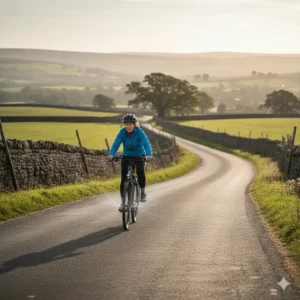
British cyclists’ diverse needs require different e-bike configurations. Let’s explore optimal choices for specific riding applications.
Urban Commuting Champions
City commuters prioritise reliability, theft resistance, and year-round capability. Look for:
- Integrated lighting powered by main battery
- Mudguards to protect against wet road spray
- Rack mounting for panniers or baskets
- Compact frames for storage in flats or offices
The Powerhog Advanced Commuter exemplifies this category, offering mid-drive efficiency in a practical package under £900. Its removable battery facilitates workplace charging without lugging the entire bike upstairs.
Weekend Trail Warriors
Mountain bikers need robust suspension, powerful braking, and confident geometry. Prioritise:
- Front suspension minimum 100mm travel (120-140mm for technical terrain)
- Hydraulic disc brakes with 180mm+ rotors
- Aggressive tyre tread for mixed surface grip
- 60Nm+ torque for steep technical climbs
The Haibike AllMtn represents the premium end, whilst the Aventon Ramblas delivers impressive capability at significantly lower investment.
Long-Distance Tourers
Multi-day adventurers require range, comfort, and luggage capacity:
- 600Wh+ battery capacity for extended range
- Comfortable upright geometry to reduce fatigue
- Pannier rack rated for 20kg+ loads
- Reliable components for remote area dependability
The Giant Explore E+ excels here, combining 625Wh capacity with touring-specific geometry and robust construction.
Mixed-Use Versatility
Many riders want one bike handling commutes, weekend rides, and occasional off-road adventures. Compromise wisely:
- Moderate suspension (80-100mm) for comfort without weight penalty
- Hybrid tyres balancing road efficiency and trail grip
- Mid-range battery (500-600Wh) for versatility
- Mounting options for mudguards and racks
The Shengmilo SML100 serves this role brilliantly, offering genuine off-road capability whilst remaining civilised for daily commuting.
Cost Analysis: Mid Drive Ebike Ownership in the UK
Understanding total ownership costs helps justify the initial investment. Quality mid-drive e-bikes aren’t cheap, but running costs prove remarkably low compared to motorised alternatives.
Initial Purchase Investment
Expect to invest:
- Budget mid-drive: £800-£1,500
- Mid-range quality: £1,500-£3,000
- Premium performance: £3,000-£5,000
- Conversion kit: £350-£600 plus donor bike
Financing options through Cycle to Work schemes reduce costs by 32-42% depending on tax bracket, making premium bikes genuinely affordable for employed riders. This government initiative encourages sustainable transport whilst providing significant savings on your investment.
Running Costs
Annual expenses typically include:
Electricity: Charging a 500Wh battery costs approximately 15p per full charge. Riding 5,000km annually consumes roughly £30-40 in electricity—negligible compared to petrol.
Maintenance: Budget £150-250 annually for routine servicing, chain replacement, brake pads, and tyres. Mid-drive systems’ increased drivetrain wear adds £50-80 yearly versus regular bikes.
Insurance: Specialist e-bike cover costs £60-180 annually depending on bike value and coverage level.
Battery Replacement: Quality batteries require replacement after 800-1,000 charge cycles, typically 4-6 years of regular use. Replacement costs £400-800 depending on capacity.
Compared to Alternatives
Consider annual motoring costs:
- Petrol: £1,200-2,000 (10,000 miles at 40mpg)
- Insurance: £400-800
- Servicing: £200-400
- Tax/MOT: £200-300
- Parking: £500-2,000 in cities
Even conservative e-bike commuters save £2,000+ annually whilst gaining health benefits and avoiding traffic congestion. Research shows that cycling to work is associated with a 24% lower chance of dying from cardiovascular disease and a 16% reduction in cancer mortality. The initial investment typically pays for itself within 18-24 months of regular commuting.
FAQ: Your Mid Drive Ebike Questions Answered
❓ How fast can a mid drive ebike legally travel in the UK?
❓ Do mid drive motors wear out chains faster than regular cycling?
❓ Can I convert my existing bike to mid drive power?
❓ What battery capacity do I need for a 50km daily commute?
❓ Are mid drive ebikes worth the extra cost over hub motors?
Conclusion: Finding Your Perfect Mid Drive Ebike
The mid drive ebike revolution has fundamentally transformed what’s possible on two wheels. Whether you’re conquering Welsh mountain passes, commuting through London traffic, or exploring Scottish highlands, modern mid-motor technology delivers power and efficiency that seemed impossible just a few years ago.
Throughout this comprehensive guide, we’ve explored seven exceptional options spanning budget-friendly conversions to premium mountain weapons. The BAFANG BBS02B offers incredible value for DIY enthusiasts, whilst the Powerhog Advanced Commuter proves you needn’t spend thousands for capable mid-drive performance. Premium options like the Haibike AllMtn and Giant Explore E+ justify their investment through exceptional components and impressive range.
The key to choosing wisely lies in honestly assessing your riding patterns. Urban commuters covering relatively flat terrain might find the Powerhog perfectly adequate, saving £2,000+ over premium alternatives. Weekend adventurers tackling serious trails benefit enormously from the Haibike’s robust construction and powerful motor. Long-distance tourers appreciate the Giant Explore E+’s comfortable geometry and impressive battery capacity.
Remember that quality mid-drive e-bikes represent genuine long-term investments. Whilst initial costs seem substantial, running expenses prove negligible compared to motorised alternatives. Most regular commuters recover their investment within 18-24 months through saved petrol, parking, and public transport costs—all whilst gaining health benefits and avoiding traffic stress.
British e-bike regulations remain straightforward: stick with 250W motors and 15.5mph assistance limits, and you’ll ride hassle-free without licensing or insurance obligations. Reputable manufacturers design their systems specifically for UK compliance, so prioritise established brands over suspiciously cheap imports of questionable legality.
As battery technology continues improving and prices gradually decrease, mid-drive e-bikes will become increasingly accessible to British riders. We’re witnessing the early stages of a genuine transport revolution—one that makes cycling practical for millions who previously found hills, distances, or headwinds insurmountable barriers. Recent studies show that cycling schemes have delivered over £100 million in health and social value whilst saving the NHS over £13 million through reduced GP visits and improved public health outcomes.
Your perfect mid drive ebike awaits. Whether you choose budget-conscious practicality or premium performance, you’re investing in years of exhilarating, efficient, and genuinely enjoyable cycling. Welcome to the future of British cycling—it’s electric, it’s capable, and it’s absolutely brilliant.
✨ Don’t Miss These Exclusive Deals!
🔍 Take your cycling adventures to the next level with these carefully selected mid drive ebikes. Click on any highlighted product to check current pricing and availability on Amazon.co.uk. These bikes will help you conquer British hills with confidence whilst enjoying natural bike handling your mates will envy!
Recommended for You
- Mid Drive vs Hub Motor: 7 Best UK E-Bikes (2026 Guide)
- 7 Best Fat Tyre Electric Bikes UK 2026
- 7 Best Moped Style Electric Bikes UK 2026 | Save £250
Disclaimer: This article contains affiliate links. If you purchase products through these links, we may earn a small commission at no additional cost to you. Prices shown are approximate and may vary.
✨ Found this helpful? Share it with your mates! 💬🤗
