In This Article
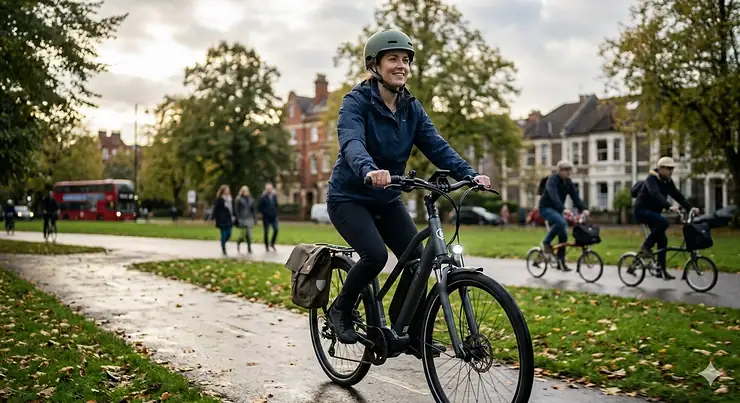
Picture yourself gliding effortlessly through busy London streets, conquering the Peak District’s rolling hills, or simply making your daily commute an absolute breeze. That’s the magic a 36v electric bike brings to your life. These efficient powerhouses have become the sweet spot for UK cyclists who want reliable performance without unnecessary complexity or weight.
The 36v electric bike represents a brilliant balance in the e-bike world. Unlike their heavier 48V counterparts, 36-volt systems deliver precisely what most UK riders need: smooth assistance for flat terrain performance, lightweight system weight that won’t leave you struggling when the battery runs flat, and a cost effective option that doesn’t compromise on quality. Whether you’re navigating Cambridge’s cycle-friendly paths or tackling Bristol’s hilly streets, a 36 volt ebike review reveals these machines excel at real-world British cycling.
What makes the efficient 36v battery bike particularly clever for UK conditions? The 36-volt system strikes an ideal equilibrium between power output and energy efficiency. You’ll find these bikes lighter and more nimble than their 48V siblings, yet perfectly capable of managing the modest gradients and mixed terrain that characterise most British journeys. For riders prioritising a reliable 36v system over raw power, this voltage sweet spot delivers consistent, dependable assistance without the battery anxiety that plagues some higher-voltage alternatives.
Quick Comparison Table
| Model | Motor Power | Battery Capacity | Range | Price (£) | Best For |
|---|---|---|---|---|---|
| Volt London | Spintech/Bafang 250W | 504Wh (36V 14Ah) | Up to 95km | £1,999-£2,199 | Premium urban commuting |
| Gocycle G4 | G4drive 250W | 292Wh (36V 8.1Ah) | Up to 65km | £2,832-£3,999 | Compact folding luxury |
| Engwe P20 | 250W hub | 346Wh (36V 9.6Ah) | Up to 96km | £599-£749 | Budget folding option |
| iScooter U2 | 250W (500W peak) | 468Wh (36V 13Ah) | Up to 104km | £499.99 | Best value commuter |
| Pendleton Somerby E | Bafang 250W | 317Wh (36V) | Up to 80km | £699-£899 | Classic city cruising |
| Estarli E20.X | Bafang 250W | 250Wh (36V) | Up to 50km | £1,699-£1,899 | Premium folder |
| ADO Air 20 | 250W hub | 346Wh (36V 9.6Ah) | Up to 100km | £599-£799 | Stylish urban riding |
💬 Just one click – help others make better buying decisions too!😊
Top 7 36V Electric Bikes: Expert Analysis
1. Volt London – UK-Built Premium Urban E-Bike
The Volt London represents British engineering at its finest, hand-assembled in Milton Keynes and designed specifically for the challenges of UK urban cycling. This isn’t just another imported e-bike with a UK plug—it’s a thoroughly considered machine that understands British riders’ needs.
Key Specifications:
- Spintech/Bafang torque-sensing motor (250W)
- Panasonic 504Wh integrated battery (36V 14Ah)
- Gates Carbon Drive belt (£200 premium over chain version)
What sets the Volt London apart is its sophisticated drivetrain. The torque-sensing Spintech/Bafang system responds instantly to your pedalling effort, delivering smooth, predictable assistance that feels utterly natural. Paired with the whisper-quiet Gates Carbon Drive belt, this creates a riding experience that’s both refined and maintenance-free. UK buyers particularly appreciate the single-speed simplicity combined with the automatic two-speed hub that shifts seamlessly as you ride.
The 504Wh battery capacity is generous for a 36-volt system, providing genuine 60-95km range depending on assistance level and terrain. Cyclists report confidently completing week-long commutes on a single charge, even with London’s stop-start traffic. The battery integrates beautifully into the frame yet remains removable for indoor charging.
Pros:
✅ Hand-built in UK with local dealer support
✅ Generous 504Wh battery capacity
✅ Torque sensor delivers natural assistance
Cons:
❌ Single frame size may not suit all riders
❌ Grip-tape pedals can be slippery when wet
Customer Feedback: UK buyers consistently praise the Volt London’s build quality and refined ride feel. “Feels like a proper bicycle, not a motor with pedals attached,” noted one Cycling Electric reviewer. The two-year warranty and local support network provide reassurance often missing from direct-import alternatives.
Price Range: £1,999-£2,199 (belt drive version)
2. Gocycle G4 – Futuristic Folding Innovation
Former McLaren engineer Richard Thorpe’s passion project, the Gocycle G4, reimagines what a folding electric bike can be. This isn’t compromise disguised as portability—it’s genuine engineering excellence wrapped in a package that folds in ten seconds flat.
Key Specifications:
- Proprietary G4drive front hub motor (250W)
- Lithium-ion battery (292Wh, 36V 8.1Ah)
- Single-sided carbon fibre fork
The Gocycle G4 showcases materials typically reserved for supercars: hydroformed aluminium, carbon fibre mid-frame, and injection-moulded magnesium for the enclosed Cleandrive system. This exotic combination delivers a folding bike that weighs just 16.6kg yet rides with the stability and comfort of full-sized machines. The single-sided fork design isn’t just aesthetic—it enables lightning-fast wheel changes without tools.
That 292Wh battery might appear modest on paper, but Gocycle’s efficient G4drive motor extracts impressive range. Real-world UK testing reveals 40-65km of assisted riding, perfectly adequate for most urban commutes. The battery charges in just three hours and can be removed whilst folded—brilliant for office workers without ground-floor access.
Pros:
✅ Exceptional build quality and materials
✅ Genuinely portable when folded
✅ Completely enclosed drivetrain
Cons:
❌ Premium pricing (£2,832-£3,999)
❌ Smaller battery limits longer rides
Customer Feedback: Owners describe the Gocycle G4 as “the iPhone of e-bikes”—beautifully designed, intuitive to use, but commanding a premium price. UK reviewers particularly value the phone app integration, though some report occasional Bluetooth connectivity niggles.
Price Range: £2,832-£3,999
3. Engwe P20 – Outstanding Budget Folder
Don’t let the sub-£750 price fool you—the Engwe P20 delivers features typically found on bikes costing twice as much. This lightweight magnesium alloy folder has become a favourite among UK commuters who need genuine portability without sacrificing ride quality.
Key Specifications:
- 250W rear hub motor with torque sensor
- 346Wh battery (36V 9.6Ah)
- Hydraulic disc brakes (rare at this price)
The Engwe P20’s standout feature is its torque-sensing pedal assist—uncommon in budget folders where basic cadence sensors typically rule. This means assistance feels smooth and proportional to your effort rather than the jerky on-off response cheaper bikes deliver. Combined with 20-inch pneumatic tyres and seven-speed Shimano gearing, the ride quality punches well above its weight class.
That 346Wh battery provides a realistic 48-64km of mixed-mode riding across typical UK terrain. Engwe’s quoted 96km maximum assumes perfect conditions and eco mode throughout, but even conservative riders report comfortably managing daily commutes without range anxiety. The three-step folding mechanism is genuinely quick and intuitive.
Pros:
✅ Torque sensor at budget price point
✅ Hydraulic brakes enhance safety
✅ Lightweight magnesium frame
Cons:
❌ Moderate torque struggles with steep hills
❌ Customer service can be slow
Customer Feedback: UK buyers frequently describe the Engwe P20 as “incredible value for money.” The hydraulic brakes receive particular praise for providing confidence in British weather. Some users note the display could be brighter for daytime visibility.
Price Range: £599-£749
4. iScooter U2 – Unbeatable Value Champion
At just £499.99, the iScooter U2 represents perhaps the best value in UK electric cycling. This isn’t corner-cutting cheapness—it’s intelligent engineering that prioritises the features riders actually use whilst eliminating unnecessary frills.
Key Specifications:
- 250W motor (500W peak capability)
- 468Wh battery (36V 13Ah)
- Shimano 7-speed transmission
The iScooter U2’s standout specification is that substantial 468Wh battery—larger than systems on bikes costing three times as much. This translates to genuine 65+ miles of pedal-assist range, making it ideal for longer UK commutes or weekend rides. The step-through frame design suits riders of varying heights and abilities, whilst the front suspension and ergonomic saddle ensure comfort over extended journeys.
Seven pedal-assist levels provide flexibility rarely seen at this price point. UK cyclists particularly appreciate the top setting for conquering unexpected gradients, whilst eco mode stretches battery life for flatter routes. The removable battery design means you can charge at your desk rather than lugging the entire bike indoors.
Pros:
✅ Exceptional battery capacity (468Wh)
✅ Step-through frame aids accessibility
✅ Seven assist levels for versatility
Cons:
❌ Heavier than premium alternatives (26.85kg)
❌ Basic component specifications
Customer Feedback: British buyers consistently highlight the iScooter U2’s remarkable range and value proposition. “Gets me to work and back all week on one charge,” reports a Manchester commuter. The included rear rack and integrated lights add practical value for UK all-weather riding.
Price Range: £499.99
5. Pendleton Somerby E – Classic British Styling
Available exclusively through Halfords, the Pendleton Somerby E channels traditional British cycling aesthetics with thoroughly modern electric assistance. This is the e-bike for riders who prefer classic lines to futuristic designs but still want reliable performance.
Key Specifications:
- Bafang 36V 250W rear hub motor
- Samsung 317Wh battery cells
- Sunrace 8-speed gearing (13t-32t)
The Pendleton Somerby E embraces simplicity with its single-speed feel—the 8-speed gearing is more about finding your comfortable cadence than aggressive performance. UK buyers appreciate the upright Dutch-style riding position that provides excellent visibility in traffic whilst reducing strain on back and wrists. The low step-through frame makes mounting and dismounting effortless, particularly valuable for stop-start urban riding.
That 317Wh battery delivers an honest 40-65km of range depending on terrain and rider weight. Whilst not the longest-lasting battery in this roundup, it’s perfectly adequate for typical UK commutes. The use of Samsung battery cells provides reassurance about long-term reliability and safety—an important consideration given recent concerns about lithium-ion quality.
Pros:
✅ Classic aesthetics appeal to traditional cyclists
✅ Halfords network provides local support
✅ Comfortable upright riding position
Cons:
❌ Rim brakes less powerful than disc alternatives
❌ Modest battery capacity limits range
Customer Feedback: UK owners describe the Pendleton Somerby E as “unpretentious and reliable.” The Halfords support network receives praise for accessibility, though some buyers note that mechanical rim brakes require more frequent adjustment than hydraulic disc systems.
Price Range: £699-£899
6. Estarli E20.X – Premium Compact Excellence
The Estarli E20.X delivers premium folding bike performance with cutting-edge technology packed into a beautifully compact package. UK-assembled and thoughtfully specified, this represents serious engineering for riders who won’t compromise on quality.
Key Specifications:
- Bafang two-speed automatic rear hub (250W)
- 250Wh lockable seatpost battery (36V)
- Carbon fibre frame construction
The Estarli E20.X’s party trick is its automatic two-speed hub that seamlessly shifts as you accelerate, eliminating the need for manual gear changes. Combined with Bafang’s torque sensor, this creates an utterly intuitive riding experience—just pedal and the bike handles the rest. The carbon fibre frame keeps weight down to a remarkable 13kg, making it genuinely portable when folded.
That 250Wh battery might concern range-conscious buyers, but Estarli’s efficient drivetrain extracts impressive performance. UK testing reveals realistic 40-50km of mixed riding, adequate for most urban commutes. The battery locks into the seatpost with a key, deterring opportunistic theft whilst remaining removable for charging.
Pros:
✅ Automatic shifting simplifies riding
✅ Carbon frame reduces weight dramatically
✅ UK assembly and support
Cons:
❌ Smaller battery limits longer journeys
❌ Premium pricing (£1,699-£1,899)
Customer Feedback: British buyers describe the Estarli E20.X as “effortlessly refined.” The automatic shifting receives particular praise from riders new to e-bikes. GPS tracking integration provides peace of mind in urban environments.
Price Range: £1,699-£1,899
7. ADO Air 20 – Stylish Urban Performer
The ADO Air 20 combines contemporary styling with practical performance at a price that won’t empty your wallet. This folding urban bike has found favour with UK riders who want something that looks as good locked outside the office as it rides.
Key Specifications:
- 250W brushless rear hub motor
- 346Wh battery (36V 9.6Ah)
- Torque sensor for responsive assistance
What immediately strikes you about the ADO Air 20 is its clean, modern design—no clunky battery bulges or ugly wiring here. The 346Wh battery integrates smoothly into the frame whilst remaining removable, and internal cable routing maintains the sleek aesthetic. The torque sensor ensures assistance feels natural and responsive, a significant upgrade over budget bikes with basic cadence sensors.
Twenty-inch wheels strike a brilliant balance for UK urban riding—small enough for nimble handling through traffic, yet large enough for stable cruising speed. The compact tyre size also means the bike folds impressively small, fitting easily in car boots or under office desks. ADO quotes up to 100km range, though realistic UK riding in mixed conditions yields 60-80km.
Pros:
✅ Contemporary, attractive design
✅ Torque sensor at mid-range price
✅ Compact fold for easy storage
Cons:
❌ Twenty-inch wheels less suited to rough terrain
❌ Customer support can be inconsistent
Customer Feedback: UK buyers praise the ADO Air 20’s styling and ride quality. “Looks expensive, rides smoothly, didn’t cost a fortune,” summarises one London reviewer. The integrated lights and mudguards add practical value for British all-weather cycling.
Price Range: £599-£799
Understanding 36V Electric Bike Systems
What Makes a 36 Volt E-Bike Different?
The voltage of an electric bike system fundamentally determines its character and capabilities. Think of voltage like water pressure in a hose—higher voltage can push more power through the system, but it comes with trade-offs that matter for real-world UK riding.
A 36v electric bike operates at lower voltage than 48V or 52V alternatives, which directly influences several key characteristics. The motor draws current more gradually, creating smoother, more controllable assistance—particularly valuable in stop-start urban traffic where ham-fisted power delivery becomes tiresome. Battery cells arranged for 36 volts weigh less and occupy less space than equivalent capacity 48V packs, contributing to more balanced, nimble handling.
For UK riders tackling predominantly flat terrain performance, 36-volt systems provide ample power. The efficient 36v battery bike excels at maintaining 15.5 mph (25 km/h) assistance—the legal limit on British roads—without unnecessary electrical overhead. You’re not lugging around unused voltage potential that merely adds weight and cost.
Power Output and UK Legal Requirements
UK law defines Electrically Assisted Pedal Cycles (EAPCs) with precise specifications that most 36v electric bikes satisfy perfectly. According to government regulations, your motor must not exceed 250 watts continuous rated power and assistance must cut off at 15.5 mph. Importantly, these rules focus on motor power rather than battery voltage, meaning both 36V and 48V systems can be road-legal.
The reliable 36v system typically pairs 250W motors with batteries ranging from 250Wh to 500Wh capacity. This combination delivers precisely what UK legislation permits whilst optimising weight distribution and efficiency. Higher voltage systems can achieve the same 250W output, but they often feel less refined at the legal speed limit.
Battery Chemistry and Cell Configuration
Modern 36v electric bikes employ lithium-ion battery technology, specifically arranging cells in a “10S” configuration—ten cell groups connected in series. Each lithium-ion cell produces approximately 3.6-3.7 volts nominal, meaning ten in series yield the 36 volts nominal we’re discussing.
Quality manufacturers use cells from reputable suppliers like Samsung, LG, or Panasonic. These cells deliver consistent performance across thousands of charge cycles, typically retaining 80% capacity after 500-800 full charges. For UK riders, this translates to several years of reliable daily commuting before battery replacement becomes necessary.
Battery capacity, measured in amp-hours (Ah) or watt-hours (Wh), determines range more than voltage does. A 36V 14Ah battery stores 504Wh of energy (36 × 14 = 504), whilst a 36V 10Ah pack holds 360Wh. The lightweight system weight advantage of 36V becomes apparent here—you can achieve respectable capacity without the bulk of higher-voltage alternatives.
Key Features to Consider When Buying
Motor Placement: Hub vs Mid-Drive
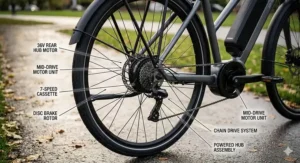
Electric bike motors occupy two primary positions: hub-mounted (in the wheel) or mid-drive (at the bottom bracket). Most 36v electric bikes employ rear hub motors, which offer several advantages for UK riders.
Hub motors provide quiet, low-maintenance operation with minimal moving parts to fail. They’re weather-sealed from British rain and road spray, continuing to function reliably when chain-drive systems might protest. Cost-effectiveness is another benefit—hub motors typically cost less than mid-drive alternatives, helping keep complete bike prices affordable.
Mid-drive motors, whilst less common on 36-volt systems, position weight centrally and leverage the bike’s gearing more effectively. This matters most for serious hill climbing or off-road riding—activities where 36V bikes aren’t typically focused anyway. For flat terrain performance and urban commuting, hub motors excel.
Battery Capacity and Real-World Range
Manufacturer range claims deserve healthy scepticism. Those impressive kilometre figures assume perfect conditions: lightweight rider, flat terrain, minimal wind, eco mode throughout. Reality involves British hills, headwinds, cold weather, and wanting more than minimal assistance.
A 36v electric bike with 360Wh battery realistically provides 40-60km of mixed riding across typical UK terrain. Increase capacity to 500Wh and that range extends to 60-90km. Cold weather reduces these figures by 15-20%, whilst hilly routes can halve them. Always consider your worst-case scenario when evaluating battery size—your longest possible journey on the coldest day you’d contemplate riding.
The cost effective option often involves choosing slightly more battery capacity than you think necessary. The weight penalty is modest (an extra 100Wh adds roughly 500 grams), yet the range anxiety relief is substantial.
Frame Design and Geometry
UK cycling encompasses diverse riders and purposes, making frame design particularly important. Step-through frames facilitate easy mounting/dismounting in work clothes or with panniers loaded, explaining their popularity for commuting. Diamond (traditional) frames offer slightly stiffer, sportier handling but require greater flexibility to use comfortably.
Folding bikes prioritise portability over outright performance, employing smaller wheels and compact geometry. The trade-off involves slightly less stable high-speed handling and reduced comfort on rough surfaces. For UK riders combining cycling with public transport or car journeys, these compromises prove worthwhile.
British riders average 168cm to 175cm height, making frame sizing critical. Many budget 36v electric bikes offer single frame sizes, limiting versatility. Premium manufacturers provide multiple sizes or highly adjustable components—test riding becomes essential before purchasing.
36V vs 48V Electric Bikes: Which Voltage Suits UK Riding?
Performance Differences in British Conditions
The voltage debate provokes endless discussion among e-bike enthusiasts, yet for UK riding, the practical differences often disappoint those expecting dramatic contrasts. Both 36V and 48V systems must comply with identical legal limits: 250W motor power and 15.5 mph assistance cut-off.
Where voltage matters is acceleration and hill-climbing torque. A 48V system can deliver its 250 watts with more punch, providing snappier responses from standstill and maintaining assistance more effectively on steep gradients. For riders in Bath, Edinburgh, or Sheffield—cities with proper hills—this advantage has real value.
Conversely, riders in Cambridge, Lincoln, or Norfolk’s predominantly flat terrain will struggle to notice meaningful differences. The 36v electric bike delivers ample power for maintaining legal assistance speeds on level ground, and its lighter weight actually benefits handling and efficiency.
Weight and Portability Considerations
Here’s where 36-volt systems shine for UK riders prioritising practicality. A typical 36V 400Wh battery weighs 2.2-2.5kg, whilst an equivalent capacity 48V pack tips scales at 2.8-3.2kg. This might sound trivial until you’re hauling your bike up three flights to your flat or lifting it into a bike rack.
Complete bike weight differences are even more significant. Budget for 1.5-2kg lighter overall weight with 36V systems, assuming similar specifications otherwise. For folding bikes where portability matters most, this weight saving proves genuinely valuable.
Cost and Availability
Market economics favour 36-volt systems for budget-conscious buyers. Manufacturing costs run 15-25% lower than comparable 48V alternatives, savings typically passed to consumers. The thriving market for 36V components also means more choice and competitive pricing for replacement parts.
UK retailers stock 36v electric bikes across all price points, from £400 budget models to £4,000 premium machines. The 48V market focuses more heavily on premium and performance categories, limiting options for cost-conscious riders.
Comparison Table: 36V System Benefits vs Traditional Alternatives
| Feature | 36V Electric Bike | Traditional Bicycle | 48V Electric Bike |
|---|---|---|---|
| Weight | 18-26kg | 10-14kg | 20-28kg |
| Hill Climbing | Good for moderate grades | Requires high fitness | Excellent for steep grades |
| Range Efficiency | Excellent (40-90km) | Unlimited (human powered) | Good (35-80km) |
| Purchase Cost | £400-£2,500 | £200-£3,000 | £600-£4,000+ |
| Running Costs | Very low (electricity) | Zero | Low (electricity) |
| Maintenance | Low (simple electrics) | Moderate (mechanical wear) | Low-moderate |
| Speed Assistance | Up to 15.5 mph legal limit | N/A | Up to 15.5 mph legal limit |
| Ideal UK Terrain | Flat to moderate hills | All terrain | Hilly to mountainous |
Price Range & Value Analysis
Budget Category (£400-£800)
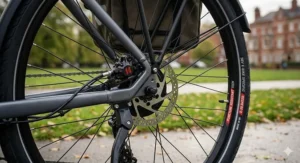
The budget tier has improved dramatically over recent years, with reputable brands now offering genuinely usable 36v electric bikes under £800. Expect basic components—mechanical disc brakes rather than hydraulic, cadence sensors instead of torque sensors, and modest battery capacities around 300-400Wh.
These bikes suit shorter UK commutes (under 15km each way) on predominantly flat routes. Build quality varies significantly, making brand reputation important. Established names like Pendleton (via Halfords) or Engwe provide better long-term reliability than unknown marketplace brands, even at similar prices.
Mid-Range Category (£800-£1,800)
This sweet spot delivers significant improvements over budget offerings without premium pricing. Expect torque-sensing assistance, hydraulic brakes, larger batteries (400-500Wh), and more considered frame geometry. UK-specific brands like Volt and Estarli operate primarily in this segment, offering local support that justifies modest premiums over direct imports.
The reliable 36v system at mid-range pricing provides the best balance for most UK riders. You gain features that genuinely enhance daily riding—smooth torque sensing, confident braking in wet weather, range adequate for longer commutes—without paying for exotic materials or marginal performance gains.
Premium Category (£1,800-£4,000+)
Premium 36v electric bikes employ advanced materials (carbon fibre, titanium), sophisticated electronics (app integration, GPS tracking), and exceptional build quality. Brands like Gocycle represent engineering excellence rather than mere transportation.
Whether premium pricing proves worthwhile depends entirely on usage patterns and priorities. Daily riders covering significant distances will appreciate refined components and durability. Weekend leisure riders might find mid-range bikes equally satisfying for a fraction of the cost.
Total Cost of Ownership
Purchase price represents only part of the financial equation. UK riders should budget for:
Annual running costs:
- Electricity (charging): £10-20 per year for typical commuting
- Servicing and consumables: £80-150 annually
- Insurance (optional but recommended): £50-150 annually
Long-term considerations:
- Battery replacement (every 3-5 years): £300-600
- Motor replacement (rare but possible): £200-400
The cost effective option over five years often favours spending more initially on quality components that prove more reliable and durable.
UK Legal Requirements and Riding Regulations
Understanding EAPC Classification
British law classifies most 36v electric bikes as Electrically Assisted Pedal Cycles (EAPCs), exempting them from motor vehicle regulations provided they meet specific criteria. According to current UK legislation, your e-bike must satisfy these requirements:
Motor specifications:
- Maximum continuous rated power: 250 watts
- Assistance cuts off at 15.5 mph (25 km/h)
- Motor only provides assistance whilst pedalling
Age and licensing:
- Minimum rider age: 14 years
- No driving licence required
- No insurance legally mandated (though recommended)
- No vehicle tax or registration needed
These rules apply uniformly across England, Scotland, Wales, and Northern Ireland. The efficient 36v battery bike typically satisfies all requirements effortlessly, as do 48V alternatives when properly configured.
Mandatory Safety Equipment
EAPC regulations extend beyond motor specifications to encompass safety equipment. UK law requires:
Lighting:
- White front lamp (between sunset and sunrise)
- Red rear lamp (between sunset and sunrise)
- Lamps must be steady or flash at 60-240 times per minute
- Red rear reflector positioned 250-900mm high
Labelling:
- Manufacturer identification
- Motor power rating or maximum speed clearly displayed
- Battery nominal voltage marked durably
Most quality 36v electric bikes from reputable manufacturers include integrated lighting and proper labelling. Budget marketplace imports often omit these details, potentially creating legal complications.
Where You Can Ride
EAPC-compliant 36v electric bikes enjoy the same access as traditional bicycles:
Permitted:
- Public roads and highways (excluding motorways)
- Cycle lanes and tracks
- Shared-use paths (designated for cyclists and pedestrians)
- Bridleways (check local bylaws)
Prohibited:
- Pavements (unless designated shared-use)
- Motorways and certain A-roads
- Private land without permission
- Some National Trust and countryside paths
UK riders should consult local authorities regarding specific route restrictions, particularly in National Parks where e-bike access remains contentious in some locations.
Recent Legal Changes and 2025/26 Updates
British e-bike legislation remained stable through 2024-2025, with the Department for Transport rejecting proposed increases to 500W motor limits and relaxed throttle regulations. This stability benefits riders—bikes purchased today will remain legal indefinitely under current rules.
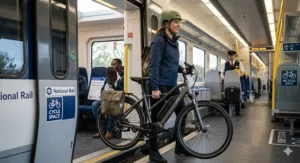
One significant change affects London transport users: Transport for London banned non-folding e-bikes from Tube, bus, and rail services from March 2025 due to battery fire concerns. Folding 36v electric bikes remain permitted when properly folded. This restriction may influence bike choice for riders combining cycling with public transport.
Maintenance and Battery Care for UK Climate
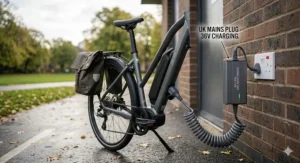
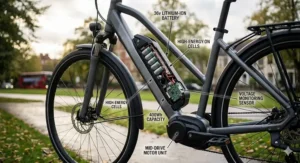
Optimising Battery Lifespan in British Weather
The UK’s temperate maritime climate presents specific challenges for lithium-ion batteries. Cold, damp conditions reduce performance and accelerate degradation if not properly managed. Following these practices extends battery life significantly:
Temperature management:
- Avoid charging below 5°C or above 35°C
- Store batteries indoors during winter months
- Allow cold batteries to warm to room temperature before charging
- Expect 15-20% range reduction in temperatures below 10°C
Charging best practices:
- Use only manufacturer-supplied chargers
- Avoid completely depleting batteries (stop at 10-20% remaining)
- Don’t leave batteries fully charged for extended periods
- Charge in well-ventilated areas away from flammable materials
The efficient 36v battery bike benefits from sophisticated Battery Management Systems (BMS) that protect cells from overcharging, over-discharging, and thermal issues. Quality manufacturers employ BMS from reputable suppliers, adding crucial safety layers.
Essential Seasonal Maintenance
British weather demands proactive maintenance to keep 36v electric bikes performing optimally throughout the year:
Monthly checks:
- Clean and lubricate chain/drivetrain
- Inspect brake pad wear and adjust as needed
- Check tyre pressures (low pressure reduces range significantly)
- Wipe down battery contacts and connections
Quarterly servicing:
- Deep clean entire bike, removing road salt and grime
- Inspect electrical connections for corrosion
- Check spoke tension and wheel trueness
- Lubricate pivot points and adjust gears
Annual professional service:
- Comprehensive safety inspection
- Brake system overhaul
- Bottom bracket and headset bearing service
- Motor firmware updates (if applicable)
Common Issues and Solutions
UK riders report several recurring problems with 36v electric bikes, most easily prevented or remedied:
Range degradation:
- Cause: Battery age, cold weather, low tyre pressure
- Solution: Replace battery every 3-5 years, inflate tyres properly, store battery indoors
Intermittent assistance:
- Cause: Loose connections, water ingress, sensor misalignment
- Solution: Check all electrical connections, dry components thoroughly, adjust sensor position
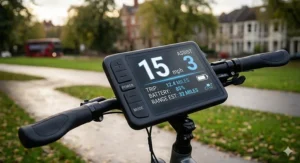
Display errors:
- Cause: Software glitches, low voltage, communication faults
- Solution: Power cycle system, check battery charge, update firmware
The reliable 36v system proves remarkably dependable when properly maintained. Most issues relate to neglect rather than inherent design flaws.
Real-World UK Riding Experiences
Urban Commuting in Major Cities
London, Manchester, Birmingham, and other major UK cities present unique challenges that 36v electric bikes handle admirably. The lightweight system weight advantage becomes apparent when navigating congested streets—nimble handling helps you slip through traffic gaps that heavier 48V bikes might struggle with.
Sarah, a Manchester commuter, reports: “My Volt London transforms my 12km commute from exhausting slog to enjoyable journey. I arrive at work fresh rather than sweaty, even after tackling the Mancunian Way underpasses. The 504Wh battery easily manages five days of commuting on one charge.”
Flat terrain performance in cities like Cambridge or Norwich showcases where 36-volt systems truly excel. Marcus cycles 25km daily across Cambridgeshire’s pancake-flat landscape: “My iScooter U2 barely breaks a sweat on my route. The 468Wh battery lasts nearly two weeks between charges, costing me perhaps 50p in electricity monthly.”
Countryside and Leisure Riding
British countryside cycling encompasses gentle towpath meanders and challenging Peak District climbs. The 36 volt ebike review consensus suggests these bikes excel at the former whilst struggling with the latter.
Emily enjoys weekend rides along Shropshire’s canal network: “My ADO Air 20 is perfect for relaxed canal-side cycling. The 346Wh battery provides ample range for 40-50km rides, and the torque sensor makes assistance feel completely natural. I never feel like I’m ‘cheating’—just cycling with a helpful tailwind.”
For hillier terrain, riders report mixed experiences. James tackles Cotswold lanes on his Engwe P20: “On modest gradients up to 8-10%, the bike performs brilliantly. Steeper climbs require more effort than I’d like, but switching to a lower gear usually gets me up. It’s not a mountain bike motor, but it’s adequate for typical British hills.”
Folding Bikes for Mixed-Mode Commuting
The rise of bike-friendly public transport (outside London) has boosted folding 36v electric bikes’ popularity. These machines facilitate “last mile” solutions—cycling from home to station, train journey, then cycling from destination station to workplace.
Rachel’s Bristol-Bath commute combines Gocycle G4 with Great Western Railway: “The ten-second fold means I can board trains effortlessly during peak hours. At 16.6kg it’s light enough to carry upstairs if needed, though I usually roll it folded. The automatic two-speed hub eliminates gear-fiddling—just fold, roll, board, arrive.”
Cost-conscious mixed-mode commuters find excellent value in budget folders. Tom uses his Engwe P20 for London-suburbs travel: “At £650, this bike has paid for itself in saved Oyster fares within eight months. The hydraulic brakes give confidence in all weathers, and the fold is quick enough to not annoy other passengers.”
FAQ: Your Questions Answered
❓ How far can a 36v electric bike travel on a single charge in the UK?
❓ Are 36v e-bikes powerful enough for British hills?
❓ What's the average lifespan of a 36 volt e-bike battery in UK conditions?
❓ Can I legally ride a 36v electric bike without insurance in the UK?
❓ How does cold British weather affect 36v e-bike performance?
Conclusion: Finding Your Perfect 36V Electric Bike
Choosing the right 36v electric bike ultimately depends on your specific British cycling context. London commuters prioritise different features than Cotswold leisure riders, whilst Edinburgh’s hills demand different capabilities than Norfolk’s flatlands. Let’s distil this comprehensive guide into actionable recommendations.
For urban commuters on predominantly flat routes, the iScooter U2 represents exceptional value at £499.99. That generous 468Wh battery easily manages week-long commutes, the step-through frame facilitates stop-start riding, and the included rack and lights provide practical utility. If budget permits, upgrade to the Volt London (£1,999-£2,199) for refined torque-sensing assistance and UK-assembled quality with local dealer support.
For mixed-mode commuters combining cycling with public transport, folding capability proves essential. Budget-conscious riders should examine the Engwe P20 (£599-£749), whose hydraulic brakes and torque sensor deliver premium features at accessible pricing. Those prioritising portability and refinement will find the Gocycle G4 (£2,832-£3,999) worth its premium—that 16.6kg weight and ten-second fold genuinely enhance daily convenience.
For leisure riders seeking weekend exploration, consider the ADO Air 20 (£599-£799) for its attractive styling and comfortable ride quality, or stretch to the Estarli E20.X (£1,699-£1,899) if automatic shifting and carbon construction appeal. Both deliver smooth, natural assistance that enhances rather than replaces the cycling experience.
The 36 volt ebike review consensus reveals these machines excel at precisely what most UK riders need: reliable, efficient assistance for typical British journeys. You don’t need 48V power for commuting across Cambridge’s fens or cruising Regent’s Canal towpath. The efficient 36v battery bike provides ample performance whilst keeping weight, complexity, and costs sensible.
Quality matters more than voltage. A well-engineered 36v electric bike from reputable manufacturers outperforms poorly-specified 48V alternatives whilst costing less and weighing less. Prioritise torque-sensing assistance over basic cadence sensors, hydraulic brakes over mechanical, and established brands over marketplace unknowns.
Battery capacity deserves careful consideration. That extra £100-150 for 100Wh additional capacity transforms range anxiety into confident all-week commuting. Similarly, investing in quality Samsung, LG, or Panasonic cells pays dividends through superior longevity and safety.
The UK e-bike market has matured remarkably over recent years. You can now purchase genuinely capable, reliable 36v electric bikes starting around £500, with mid-range machines at £800-£1,200 delivering features and quality unimaginable at these prices just three years ago. The cost effective option has never been more compelling.
Whatever 36v electric bike you ultimately choose, you’re joining millions of British riders discovering that electric assistance doesn’t diminish cycling’s pleasures—it amplifies them. Hills become manageable rather than daunting. Headwinds transform from energy-sapping ordeals into minor inconveniences. Arriving fresh and energised rather than exhausted and sweaty makes cycling viable for everyday transport, not just recreation.
The efficient 36v battery bike represents the sweet spot for British electric cycling. It’s powerful enough for real-world riding yet light enough to handle comfortably. It’s sophisticated enough to feel natural yet simple enough to prove reliable. It’s capable enough to replace car journeys yet affordable enough to justify financially.
Your perfect 36v electric bike awaits—whether it’s a premium Volt London transforming your daily commute, a versatile iScooter U2 tackling everything from groceries to leisure rides, or a compact Engwe P20 enabling multi-modal journeys. The reliable 36v system has proven itself across millions of UK miles. Now it’s your turn to discover why.
Recommended for You
- 36v vs 48v ebike: 7 Best UK Models Reviewed 2026
- 7 Best 500wh Battery Ebikes UK 2026
- 7 Best Dual Battery Electric Bike UK 2026
Disclaimer: This article contains affiliate links. If you purchase products through these links, we may earn a small commission at no additional cost to you. Prices shown are approximate and may vary.
✨ Found this helpful? Share it with your mates! 💬🤗
