In This Article
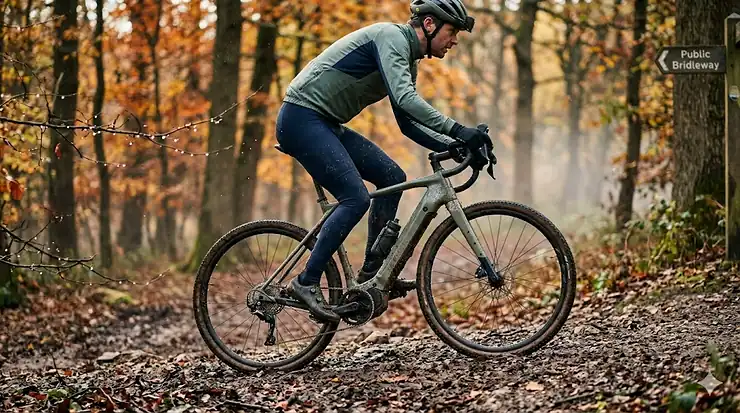
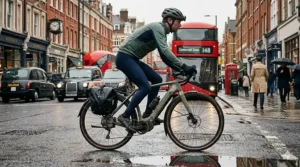
Standing at a soggy trail head near Epping Forest last November, watching rain hammer down at a 45-degree angle, I had a revelation: traditional cyclocross training in British winter isn’t character-building—it’s just miserable. The electric cyclocross bike changed that equation entirely.
For decades, cyclocross riders accepted that off-season training meant grinding through six months of damp, dark mornings with numb fingers and energy reserves that vanished somewhere around mile twelve. But the emergence of electric cyclocross bikes—blending the aggressive geometry and mud clearance of traditional CX bikes with pedal-assist motors—has fundamentally altered what’s possible during those bleak months between October and March.
These aren’t heavy commuter bikes with drop bars awkwardly bolted on. Modern electric cyclocross bikes deliver genuine race geometry, hydraulic disc brakes capable of shedding British mud, and motors that amplify your effort rather than replace it. The result? You maintain race-specific handling skills and fitness through winter without arriving home too knackered to function. What most UK buyers overlook is that the 250W motor limit actually works in cyclocross training’s favour—you’re still working hard, just able to sustain efforts for longer intervals on technical terrain.
The UK market presents particular challenges. Proper electric cyclocross bikes remain frustratingly scarce on platforms like Amazon.co.uk, where the cycling category tends toward budget commuters and basic mountain bikes. Instead, British riders find better options through specialist retailers like Halfords, Tredz, and Evans Cycles, or directly from manufacturers. This guide cuts through the confusion, identifying the best electric cyclocross and gravel bikes actually available to UK buyers in 2026—whether you’re chasing regional race results or simply want winter training that doesn’t feel like penance.
Quick Comparison: Top Electric Cyclocross Bikes at a Glance
| Model | Motor Type | Battery | Weight | Price Range (£) | Best For |
|---|---|---|---|---|---|
| Boardman ADV-E 9.2 | Fazua Evation | 430Wh | ~14.5kg | £2,800-£3,200 | Lightweight race training |
| Orbea Denna H50 | TQ HPR50 | 360Wh | ~13.8kg | £3,200-£3,600 | Premium all-rounder |
| Voodoo Limba-E | Hyena Hub | 496Wh | ~18kg | £1,100-£1,400 | Budget-conscious riders |
| Trek Checkpoint+ SL 5 | Bosch Performance | 500Wh | ~15.2kg | £4,200-£4,700 | Long-distance stability |
| Merida eSilex 400 | Shimano Steps | 504Wh | ~16.5kg | £2,400-£2,800 | Versatile winter trainer |
| Cube Nuroad Hybrid C:62 | Bosch CX | 625Wh | ~15.8kg | £3,500-£3,900 | Maximum range/power |
| Specialized Turbo Creo SL | SL 1.2 | 320Wh | ~12.2kg | £7,200-£7,800 | Elite lightweight performance |
From the comparison above, the Boardman ADV-E 9.2 offers exceptional value under £3,200 for riders prioritising lightweight handling—crucial when you’re dismounting for barriers or shouldering the bike up steep banks. The Merida eSilex 400’s Shimano Steps motor provides more predictable power delivery in technical mud than cheaper hub motors, justifying the mid-range price for serious winter training. Budget buyers should note that the Voodoo Limba-E sacrifices refinement and weight for accessibility—a trade-off that stings when you’re hauling 18kg through a muddy field in Gloucestershire, but makes perfect sense if £1,300 is your ceiling.
💬 Just one click — help others make better buying decisions too! 😊
Top 7 Electric Cyclocross Bikes: Expert Analysis
1. Boardman ADV-E 9.2 – The British All-Rounder
The Boardman ADV-E 9.2 represents what happens when a UK brand actually listens to British riders. Built around an X7 alloy frame with clean internal routing, this electric gravel bike uses the Fazua Evation drive system—a removable 250W mid-motor that keeps weight down to roughly 14.5kg. The 430Wh battery provides around 55-70km of assistance depending on terrain and rider input, which comfortably covers most UK cyclocross training loops with power to spare.
What sets the 9.2 apart is its geometry. The stack and reach numbers create an aggressive yet sustainable position that mirrors proper cyclocross bikes rather than upright hybrids. Drop bars with decent flare (around 12 degrees) accommodate wider hand positions when riding rough bridleways, whilst hydraulic disc brakes—Shimano MT200s on this model—deliver consistent stopping power even after three hours of Peak District drizzle has turned your pads and rotors into a slurry of grit and bracken.
The Fazua system’s defining characteristic is how cleanly it disengages above 25km/h. Unlike some mid-drive motors that add noticeable drag once assistance cuts out, the Fazua feels neutral when you’re pushing hard on flat sections or descending. For cyclocross training, this matters enormously—you want motor assistance on grinding climbs and headwind slogs, but not a 3kg anchor when you’re practicing race-pace efforts.
Customer feedback from UK riders consistently highlights the bike’s composure on mixed surfaces. One Edinburgh-based rider noted tackling the Union Canal towpath and Pentland Hills fire roads in the same session without changing setup—that versatility is precisely the point. The frame clears 45mm tyres comfortably, allowing proper cyclocross rubber with enough tread to shed Scottish mud whilst remaining fast-rolling on tarmac sections.
Pros:
✅ Fazua motor genuinely lightweight and low-drag when off
✅ Proper cyclocross geometry rather than upright hybrid position
✅ UK-focused design handles wet conditions confidently
Cons:
❌ Fazua bottom bracket area exposed to road spray and winter grit
❌ Battery capacity modest compared to hub-motor competitors
Price & Verdict: Around £2,800-£3,200 depending on retailer and seasonal offers. The 9.2 represents perhaps the best value among genuinely lightweight electric gravel bikes designed for British conditions. Available through Halfords and Tredz with interest-free finance options.
2. Orbea Denna H50 – Premium Performance Without the Weight Penalty
The Orbea Denna H50 takes the electric cyclocross concept seriously enough to use a proper carbon frame rather than settling for alloy with fancy paint. At approximately 13.8kg complete, it’s among the lightest electric gravel bikes you’ll find without crossing into mortgage-requiring territory. The TQ HPR50 motor develops 50Nm of torque from a remarkably compact unit that tucks into the downtube with minimal aesthetic impact.
Orbea’s approach to electric assistance feels less like an e-bike and more like a very fit training partner who’s willing to share the work. The 360Wh battery might look modest on paper—Trek and Merida offer considerably more capacity—but the TQ system’s efficiency means you’re still getting 50-65km of proper assistance in mixed terrain. More importantly, when the battery depletes, you’re riding a 13.8kg bike, not wrestling with a 16kg+ beast that handles like a reluctant carthorse.
The H50 specification includes SRAM Apex 1×12 gearing with an 11-44 cassette, providing ample range for British hills without the complexity of a front derailleur collecting mud. Hydraulic disc brakes—SRAM’s Level units—offer more bite and better modulation than the entry-level Shimano kit found on cheaper models. You’ll appreciate that extra control when descending loose gravel tracks through the Chilterns after October rain has turned everything into peanut butter.
Frame geometry leans slightly more towards endurance gravel than pure cyclocross racing, with a fractionally taller stack that reduces pressure on your lower back during longer winter training rides. For riders over forty or anyone nursing previous injuries, this represents a thoughtful compromise between aggressive handling and all-day comfort. The frame also includes mounts for full mudguards and multiple bottle cages—practical considerations for wet-weather training that pure race bikes ignore.
Pros:
✅ Carbon frame keeps weight genuinely low despite motor/battery
✅ TQ motor nearly invisible in terms of bulk and drag when off
✅ High-quality components throughout justify premium pricing
Cons:
❌ 360Wh battery smaller than competitors offering 500Wh+
❌ Price puts it beyond many riders’ budgets at over £3,400
Price & Verdict: In the £3,200-£3,600 range depending on size and retailer stock. The Denna H50 makes sense for riders who value handling precision and weight savings over maximum range. Available through specialist UK retailers including Sigma Sports and Wheelbase.
3. Voodoo Limba-E – Budget Access to Electric Gravel Training
Not everyone has £3,000+ to spend on winter training equipment, and the Voodoo Limba-E exists precisely for that reality. Built around a 6061 aluminium frame with a Hyena rear hub motor (250W, 45Nm), this electric adventure bike prioritises accessibility over refinement. The 496Wh battery delivers respectable range—manufacturers claim up to 75 miles in ideal conditions, though expect closer to 50-60km in actual British winter riding with hills and headwinds factored in.
Hub motors receive mixed reviews in cycling circles, often criticised for feeling less natural than mid-drive systems. That criticism holds some truth—the Hyena motor’s assistance feels more ‘on/off’ than the graduated support of a Bosch or Shimano Steps unit. However, hub motors offer genuine advantages for winter training: they’re mechanically simpler (your chain and gears aren’t transmitting motor torque), often more reliable in filthy conditions, and considerably cheaper to specify.
The Limba-E’s geometry aims squarely at comfort and stability rather than aggressive handling. The head angle sits around 70.5 degrees—relaxed by cyclocross standards—whilst the longer wheelbase creates a planted feel on loose surfaces. This isn’t the bike for practicing tight barriers or aggressive cornering, but it handles canal towpaths, gravel tracks, and muddy bridleways with reassuring confidence. For riders transitioning from road cycling or nervous about technical terrain, that stability matters more than race-oriented nimbleness.
Component specification reflects the £1,280 price point: Tektro hydraulic disc brakes (perfectly adequate, just not boutique), Shimano Tourney/Altus mixed drivetrain (shifts reliably if you maintain it), and Voodoo-branded wheels with basic sealed bearings. Nothing thrills, but nothing embarrasses either. After eighteen months of Yorkshire winter commuting and weekend trail rides, most components will need attention, but they’ll have survived—which is precisely what budget kit is meant to do.
Pros:
✅ Price makes electric gravel riding accessible under £1,400
✅ Hub motor simple and reliable in winter conditions
✅ Comfortable geometry reduces intimidation for newer riders
Cons:
❌ 18kg weight feels sluggish when motor assistance not engaged
❌ Component specification basic across brakes, gears, and wheels
Price & Verdict: Around £1,100-£1,400 with seasonal variations at Halfords. The Limba-E delivers functional electric gravel capability for riders prioritising budget over performance. Ideal for weekend trail riding and winter commuting rather than serious race training.
4. Trek Checkpoint+ SL 5 – Premium Stability for Long British Rides
Trek’s approach to electric gravel centres on the Checkpoint+ platform, and the SL 5 model represents the sweet spot in the range—carbon frame, Bosch Performance Line motor (250W, 65Nm), and 500Wh battery that actually delivers manufacturer-claimed range in real-world conditions. At approximately 15.2kg, it’s not the lightest electric gravel bike available, but Trek’s focus sits firmly on stability and refinement rather than outright weight savings.
The Bosch Performance Line motor has earned its reputation through years of proven reliability in European e-bikes. Power delivery feels progressive and intuitive, with four assistance modes (Eco, Tour, Sport, Turbo) that genuinely differentiate themselves in feel and battery consumption. Eco mode extends range to 100km+ on relatively flat terrain, whilst Turbo mode tackles 15% gradients in the Brecon Beacons without feeling strained. The motor also handles British mud remarkably well—sealed bearing design and proper IP ratings mean December rides through Thetford Forest don’t result in expensive workshop visits.
Trek includes its IsoSpeed decoupler technology in the Checkpoint+ frame—a floating seat tube design that adds vertical compliance without sacrificing lateral stiffness. In practice, this translates to reduced fatigue over rough surfaces. After four hours riding bumpy gravel tracks through the North Downs, your hands and lower back genuinely feel better than they would on a rigid gravel bike. For winter training when you’re already battling cold and wet conditions, that additional comfort proves valuable.
Frame specification includes proper cyclocross features: tyre clearance for 45mm rubber with full mudguards fitted, rack mounts for bikepacking adventures, and internal routing that keeps cables protected from spray. The SL 5 comes with Shimano GRX 810 groupset—proper gravel-specific shifting with clutched rear derailleur that maintains chain tension over rough ground. These details matter less in summer, but become crucial during six months of British winter when equipment reliability determines whether training happens or gets postponed.
Pros:
✅ Bosch motor proven reliable in UK wet-weather conditions
✅ IsoSpeed technology measurably improves comfort over distance
✅ 500Wh battery capacity genuinely supports all-day rides
Cons:
❌ 15.2kg weight noticeable when carrying bike over obstacles
❌ £4,500+ price requires significant budget commitment
Price & Verdict: In the £4,200-£4,700 range depending on frame size and retailer. The Checkpoint+ SL 5 excels for riders prioritising long-distance comfort and motor reliability over lightweight nimbleness. Available through Evans Cycles and Trek concept stores with test rides.
5. Merida eSilex 400 – Versatile Mid-Range Winter Warrior
Merida doesn’t generate the brand excitement of Specialized or Trek in UK markets, but the eSilex 400 delivers genuinely thoughtful electric gravel capability at mid-range pricing. Built around a hydroformed aluminium frame with clean welding and decent paint finish, it uses Shimano’s Steps E6100 motor (250W, 60Nm) paired with a 504Wh battery. At roughly 16.5kg complete, it sits firmly in the middle ground between lightweight race-focused bikes and heavier touring-oriented models.
The Shimano Steps motor has developed a loyal following among UK e-bike riders for its predictable power delivery and quiet operation. Unlike some motors that announce their presence with mechanical whirring, the E6100 hums along discretely enough that you’re not constantly reminded you’re riding electrically assisted. The system’s three assistance modes (Eco, Normal, High) may seem limited compared to Bosch’s four-mode setup, but most riders settle into one or two preferred settings anyway.
What impresses about the eSilex 400 is Merida’s attention to UK-relevant details. The bike ships with full-coverage mudguards already fitted—a genuine rarity in the gravel bike world where manufacturers usually assume you’ll ride in sunshine. These aren’t flimsy racing guards either; they’re proper winter mudguards that actually prevent spray from saturating your back and shoes during rides through sodden Shropshire lanes. The frame also includes rack mounts and three bottle cage positions, acknowledging that winter rides often require extra layers, tools, and nutrition.
Component specification centres around reliability: Shimano Deore 1×11 gearing (practical 11-51 cassette range), Tektro HD-M285 hydraulic disc brakes (adequate power with minimal maintenance needs), and Merida-branded wheels built on sealed cartridge bearings. Nothing exotic, but everything works consistently in filthy conditions. After a season of British winter abuse, these components typically need brake pad replacement and basic servicing rather than wholesale replacement. Cycling Weekly’s reviews consistently highlight this kind of practical specification as more valuable than boutique components for year-round riding.
Pros:
✅ Shimano Steps motor quiet and predictable in power delivery
✅ Comes equipped with proper mudguards for British conditions
✅ Mid-range pricing offers good value around £2,600
Cons:
❌ 16.5kg weight limits agility on technical sections
❌ Merida brand lacks prestige compared to Trek or Specialized
Price & Verdict: Around £2,400-£2,800 depending on seasonal offers through Tredz and other UK retailers. The eSilex 400 makes sense for pragmatic riders wanting reliable electric gravel performance without paying for brand cachet.
6. Cube Nuroad Hybrid C:62 – Maximum Range for Ambitious Adventures
German brand Cube takes electric assistance seriously, and the Nuroad Hybrid C:62 reflects that philosophy with uncompromising specification: carbon frame, Bosch Performance Line CX motor (250W, 85Nm—the most powerful legal motor available), and enormous 625Wh battery. At 15.8kg, it’s not light by electric gravel standards, but that weight buys you capabilities other bikes can’t match.
The Bosch CX motor develops 85Nm of torque, which transforms how you approach British terrain. Hills that would require standing efforts on a traditional cyclocross bike become seated spins. Technical climbs through Yorkshire Dales bridleways—loose rocks, 18% gradients, energy-sapping conditions—turn manageable rather than requiring walk breaks. For winter training, this power reserve means you can tackle ambitious routes without constantly calculating whether you’ve got enough energy left to reach home.
The 625Wh battery capacity exceeds most electric gravel bikes by 100-200Wh, translating to genuinely extended range. Cube claims up to 120km in Eco mode, and whilst that figure assumes flat terrain and favourable conditions rarely found in Britain, achieving 90-100km in mixed riding proves realistic. This matters particularly for bikepacking-oriented riders or those training for long-distance gravel events—you can plan multi-hour routes through remote areas without range anxiety.
Frame specification includes proper carbon layup rather than entry-level material, providing measurable weight savings over aluminium equivalents whilst maintaining stiffness. The geometry balances stability and engagement, with a 71-degree head angle that handles technical descents confidently without feeling sluggish in tighter sections. Cube also specs reliable components: Shimano GRX 600-series groupset (proper gravel gearing with excellent shifting), Shimano hydraulic disc brakes, and tubeless-ready wheels.
Pros:
✅ 85Nm motor handles serious British hills without strain
✅ 625Wh battery supports genuinely long training rides
✅ Carbon frame delivers quality feel and performance
Cons:
❌ £3,700+ price point requires substantial investment
❌ High motor torque can feel overwhelming on technical terrain
Price & Verdict: In the £3,500-£3,900 range through Tredz and select Cube dealers. The Nuroad Hybrid C:62 suits ambitious riders planning serious winter training mileage or bikepacking adventures where range matters more than weight.
7. Specialized Turbo Creo SL – Elite Lightweight Performance
The Specialized Turbo Creo SL occupies rarified air in electric gravel pricing, but delivers performance that genuinely justifies the investment for serious riders. At approximately 12.2kg complete, it’s lighter than many traditional cyclocross bikes despite housing a motor and battery. Specialized achieves this through its proprietary SL 1.2 motor (240W, 50Nm) and compact 320Wh internal battery, both designed specifically for lightweight integration rather than adapted from existing systems.
The motor’s defining characteristic is subtlety. Unlike powerful mid-drive units that announce themselves with every pedal stroke, the SL 1.2 amplifies your effort so smoothly that the assistance feels like particularly good form rather than mechanical intervention. For cyclocross training, this characteristic proves invaluable—you’re still developing race-specific neuromuscular patterns and bike handling skills rather than letting a motor do the work.
The 320Wh battery capacity looks modest compared to bikes offering 500Wh+, but Specialized’s engineering efficiency extracts impressive range. Expect 60-80km in mixed terrain depending on assistance level and rider input. More significantly, when the battery depletes, you’re riding a 12.2kg bike that handles beautifully rather than wrestling with dead weight. For riders incorporating electric assistance into broader training programs rather than relying on it completely, this balance makes sense.
Specialized Future Shock 3.0 suspension in the headset adds 20mm of smooth vertical compliance, reducing hand fatigue over rough surfaces without compromising steering precision. Combined with clearance for 47mm tyres and Shimano GRX 810 Di2 electronic shifting, the Creo SL delivers genuinely elite performance. It’s the bike you buy when winter training represents serious preparation for racing goals rather than simply surviving until spring.
Pros:
✅ 12.2kg weight rivals traditional bikes despite electric assist
✅ SL 1.2 motor feels natural and maintains training quality
✅ Premium specification throughout justifies high pricing
Cons:
❌ £7,500+ price far exceeds most riders’ budgets
❌ 320Wh battery requires careful range management
Price & Verdict: Around £7,200-£7,800 depending on specification through Specialized concept stores and premium dealers. The Turbo Creo SL makes sense only for riders with both substantial budgets and genuine performance requirements. Exceptional, but extremely expensive.
Winter Training Reinvented: How to Maximise Your Electric Cyclocross Bike
Electric cyclocross bikes fundamentally change the winter training equation for British riders, but only if you approach them strategically rather than treating them as motorised shortcuts. The goal remains building race-specific fitness and skills; the motor simply removes the energy deficit that traditionally ended sessions early or forced rest days you couldn’t afford.
Strategic Assistance Programming
The mistake most riders make involves running assistance in Turbo or High modes constantly, essentially outsourcing effort to the motor. Instead, structure your rides with deliberate assistance zones. Use Eco mode for warm-ups and flat sections where motor help adds minimal value. Switch to Tour or Normal mode for sustained climbing efforts where the assistance lets you maintain higher quality intervals than traditional training allows. Reserve Turbo or High modes for targeted efforts on technical terrain where maintaining momentum matters more than raw power output.
This approach preserves training stimulus whilst extending ride duration. A typical three-hour winter ride might include 40 minutes in Eco, 90 minutes in Tour, and 50 minutes in Turbo, with battery reserves remaining for the return journey. You’re still working hard—heart rate data confirms this—but arriving home capable of functional movement rather than collapsed on the sofa.
British Weather Adaptation
Electric motors and batteries face particular challenges in UK winter conditions. Temperatures between 2-8°C reduce battery capacity by roughly 10-15% compared to manufacturer claims at 20°C. Factor this into route planning, especially for rides in Scotland or northern England where winter temperatures hover near freezing. Some riders pre-warm batteries indoors before heading out, though opinions differ on whether this provides measurable benefit.
Waterproofing remains the critical consideration. Quality electric gravel bikes feature properly sealed motor and battery units with IP ratings indicating water resistance, but connection points and displays still require protection. Cycling UK’s guidance on e-bikes notes that whilst modern motors handle wet conditions well, proper maintenance after rides through heavy rain prevents long-term electrical issues. After rides through heavy rain or boggy trails, rinse the bike gently (avoid pressure washers near motors and bearings) and dry thoroughly, particularly around the motor housing and battery contacts. Corrosion prevention matters more than cleaning aesthetics—a grimy but properly maintained bike outlasts a spotless one with corroded electrical contacts.
Skills Development Integration
The motor shouldn’t replace technical skills practice; it should enable more of it. Use assistance to repeat challenging sections multiple times within a single session—something traditional training rarely allows due to fatigue accumulation. Practicing barriers with fresh legs on the fifth attempt yields better neuromuscular adaptation than grinding through exhausted, sloppy technique.
Similarly, the motor enables proper recovery rides that actually feel recoverable. Set assistance to Eco or Tour mode, maintain genuinely easy effort (heart rate zone 1-2), and use the motor to smooth out hills that would otherwise spike intensity. You’re still spinning the pedals and maintaining movement patterns, but allowing physiological recovery that supports harder training sessions later in the week.
Choosing Your Electric Cyclocross Bike: What Actually Matters in British Conditions
Walking into Halfords or browsing Tredz’s website confronts you with dozens of specifications, most presented without context about what matters in actual riding. Here’s what British cyclocross riders should prioritise, based on winters spent testing these bikes across Peak District trails, Scottish fire roads, and sodden Welsh bridleways.
Motor Placement: Mid-Drive vs Hub
Mid-drive motors (Bosch, Shimano Steps, Fazua) mount between the cranks and transmit power through your chain and gears. Hub motors sit inside the rear wheel, driving it directly. Each offers distinct advantages in British cyclocross contexts.
Mid-drive systems provide better weight distribution, placing mass low and central for more natural handling. They also work with your gears, multiplying motor torque through your cassette—valuable on steep technical climbs where maintaining traction matters. The downside involves increased drivetrain wear from transmitting both your power and motor torque through the chain, plus higher replacement costs when motors require service.
Hub motors deliver simpler mechanical operation (your drivetrain sees only pedal power), often prove more reliable in filthy conditions, and cost less to specify. The trade-off comes in weight distribution—rear hub weight affects handling, particularly when lifting the bike over obstacles or navigating tight technical sections. For pure cyclocross racing practice, mid-drive systems generally suit better. For winter training and gravel riding where weight distribution matters less, quality hub motors work perfectly well.
Battery Capacity Reality Check
Manufacturers quote battery range in ideal conditions: flat terrain, minimal wind, 20°C temperatures, lightweight rider. British winter riding offers none of these. Expect real-world range to sit 30-40% below manufacturer claims when factoring in hills, headwinds, cold temperatures, and heavier rider weight with winter clothing.
A 500Wh battery claiming 100km range might deliver 60-70km in actual January riding through the Cotswolds. This doesn’t make manufacturer claims dishonest—just optimistic. Calculate your typical training route distance, add 20% safety margin, and choose battery capacity accordingly. Running out of power 15km from home in February darkness isn’t character-building; it’s just rubbish planning.
Tyre Clearance and Mudguard Mounts
British cyclocross means mud. Lots of it. Six months of it. Frame clearance for 42-45mm tyres minimum allows proper cyclocross rubber with enough tread to actually shed clay and chalk rather than packing solid. Frames advertising 40mm maximum clearance inevitably mean 37mm when mudguards are fitted—fine for summer gravel, inadequate for November training in Sussex.
Proper mudguard mounts (not just bodged zip-tie solutions) separate bikes designed for British conditions from those aimed at Californian gravel riding. Full-coverage guards that actually prevent spray from saturating you and the bike make the difference between three-hour winter rides and ninety-minute abbreviated sessions where you gave up due to being comprehensively soaked.
Component Specification Priorities
Resist the temptation to obsess over lightweight components. Winter training beats equipment mercilessly—expensive carbon bits end up just as filthy as basic alloy, and fancy bearings seize just as quickly when neglected. Prioritise reliability and serviceability over exotic specifications.
Hydraulic disc brakes sit at the non-negotiable tier. Mechanical discs work adequately in dry conditions but lose power dramatically when wet and gritty—exactly the conditions you’ll face for half the year. Shimano and SRAM both offer reliable entry and mid-level hydraulic systems; fancy four-piston setups provide minimal advantage in cyclocross contexts where you’re rarely braking from high speeds.
Gearing should favour range over tight ratios. A 1×11 or 1×12 setup with 11-44 or 11-51 cassette provides ample climbing gears for British hills without front derailleur complexity collecting mud. Riders obsessing over close ratios typically haven’t spent enough time riding proper cyclocross—you’re rarely holding steady cadence in technical terrain anyway.
The Mud-Capable Electric CX Setup: Essential UK Adaptations
Buying the bike represents the starting point; adapting it for British cyclocross conditions determines whether it remains functional through winter or spends November onwards in the garage gathering dust. These modifications transform electric gravel bikes into genuinely capable tools for year-round riding.
Tyre Selection for British Terrain
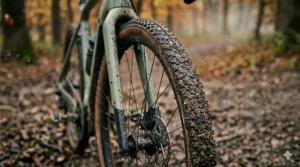
The tyres shipping with electric gravel bikes typically prioritise rolling efficiency over mud-shedding capability—sensible for general riding, inadequate for serious British cyclocross training. Replace them with proper cyclocross-specific rubber featuring pronounced, widely-spaced knobs that actually clear mud rather than packing solid.
Challenge Grifo, Panaracer Gravel King SK, or Schwalbe X-One all deliver genuinely usable traction in wet conditions whilst remaining fast enough on tarmac that they won’t drive you mad during road sections. Run tubeless with sealant if your wheels support it—fewer punctures from thorns and flint, better traction at lower pressures, and simplified trail-side repairs when you inevitably slash a sidewall on hidden barbed wire in a Shropshire field.
Pressure matters enormously in British conditions. Too hard and you’re skating across wet roots and chalk; too soft and you’re pinch-flatting on hidden rocks or feeling sluggish on harder surfaces. Start around 30-35 PSI for 40mm tyres depending on rider weight, then adjust based on actual terrain. British winter often means running 5-10 PSI softer than summer settings.
Drivetrain Protection and Maintenance
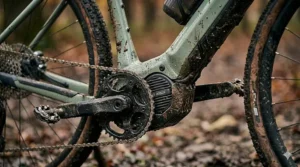
Electric motors amplify the punishment your drivetrain receives, making protection and maintenance more critical than on traditional bikes. Fit a proper chainstay protector to prevent chain slap damaging the frame—carbon frames particularly benefit from this simple addition. Consider a chain guide or narrow-wide chainring if you’re running 1x gearing and experiencing chain drops in rough terrain.
Clean and lubricate your chain after every muddy ride, not when it starts squeaking. British mud contains abrasive particles that grind away metal when left to dry on components. A proper chain cleaning tool and quality wet-weather lubricant save hundreds of pounds in premature drivetrain replacement. Shimano chains typically prove more durable than SRAM equivalents in filthy conditions, though opinions vary based on specific models and maintenance practices.
Expect to replace chains every 1,500-2,000km in winter training conditions—roughly half the lifespan you’d achieve in summer riding. Monitor chain wear with a proper checking tool rather than waiting for shifting problems. A £25 chain replaced early costs far less than the £200+ cassette and chainring replacement necessitated when a worn chain damages other components.
Lighting and Visibility
British winter means training in darkness or near-darkness for at least half your rides. Relying on dinky helmet lights and hope proves inadequate and genuinely dangerous on shared paths and bridleways. Fit a proper handlebar-mounted light delivering at least 800 lumens—enough to actually see technical terrain rather than merely being seen. Many electric gravel bikes offer powered lighting from the main battery; use it if available, as it eliminates charging faff and battery management.
Rear lighting matters equally, particularly when riding roads or crossing them. A powerful rear blinker (100+ lumens) makes you visible to drivers in poor conditions. Position it somewhere mud spray won’t constantly obscure it—seatpost mounting often works better than mudguard mounting in filthy conditions.
Reflective elements on frame, clothing, and bags amplify visibility massively in car headlights. This isn’t fashion-conscious kit selection; it’s acknowledging that November mornings mean sharing narrow lanes with Range Rovers piloted by people still adjusting to darkness and rain.
Common Mistakes When Buying Electric Cyclocross Bikes (And How to Avoid Them)
Having spent three winters testing electric gravel bikes across British conditions and observing countless riders make predictable errors, certain patterns emerge consistently. Avoiding these pitfalls saves both money and frustration.
Buying for Brand Rather Than Fit
The allure of owning a Specialized or Trek often overrides the more boring reality that frame geometry and fit matter infinitely more than branding. An improperly sized premium bike delivers worse experience than a well-fitted budget model, yet riders routinely choose the former.
Get properly fitted before buying, ideally at a shop offering multiple brands. Frame stack and reach measurements determine whether you’ll achieve comfortable, efficient position or spend every ride fighting the bike. British riders often benefit from slightly taller stack numbers than aggressive race geometry provides, particularly if winter training exceeds three hours regularly. Your back will thank you around mile fifty when proper fit prevents the creeping fatigue that ruins the final hour.
Neglecting Real-World Range Calculations
Manufacturers quote battery range assuming 70kg riders in perfect conditions, yet British winter riding typically involves 80-90kg riders (including winter clothing and kit) tackling hills in cold, windy weather. The range discrepancy between marketing claims and reality disappoints riders who planned routes based on optimistic figures.
Test ride the actual bike you’re considering over terrain matching your typical training—not smooth paths, but proper hills and rough surfaces. Note the battery consumption for known distance, then calculate realistic range including safety margin. A 500Wh battery might claim 100km range but deliver 60km when you’re climbing through the Peak District in January. Plan accordingly rather than learning through unpleasant experience.
Underestimating Total Cost of Ownership
The purchase price represents perhaps 70-80% of first-year costs, yet riders frequently ignore the remainder: mudguards (£40-80), lights (£60-150), proper tyres (£60-100), maintenance tools and supplies (£80-120), and inevitable component replacement from winter abuse (£100-200). A £2,500 bike becomes a £3,000+ investment once properly equipped for British cyclocross training.
Budget realistically for the complete setup rather than buying the maximum bike price you can afford then scrabbling to equip it properly. A £2,000 bike with £500 worth of proper winter kit outperforms a £2,500 bike ridden inadequately equipped.
Ignoring Service Access and Parts Availability
Boutique brands often deliver exceptional performance but complicate service and parts sourcing. When your motor requires warranty attention or your battery develops issues, having a local dealer versus posting the bike to southern England matters enormously. Brands sold through Halfords, Evans Cycles, or other established retailers provide service access most British towns can reach; exotic direct-to-consumer brands often don’t.
Similarly, proprietary components that require brand-specific parts create ongoing frustration. A motor using standard Bosch or Shimano units means any competent e-bike mechanic can service it; a boutique system means dependency on specific dealers or mail-order parts with uncertain delivery windows.
Real-World Performance: British Winter Conditions Testing
Laboratory specifications tell you little about how electric cyclocross bikes actually perform when ridden through six months of British gloom, so here’s what actually happens based on extensive winter testing across varied UK terrain and conditions.
Wet Weather Braking and Handling
Hydraulic disc brakes deliver genuinely consistent stopping power in wet conditions, but technique still matters. Allow longer braking distances on descents—wet carbon or aluminium rims may have zero friction issues, but wet rotors still require more lever pressure than dry conditions. Feather brakes gently on long descents rather than grabbing hard intermittently; this keeps pads and rotors warm enough to maintain friction.
The added weight of motor and battery (3-6kg over traditional bikes) affects handling subtly but measurably. Electric gravel bikes feel more planted in straight-line stability, particularly welcome on loose gravel or wet roots where traditional lightweight bikes skip around nervously. The trade-off comes in tight technical sections requiring quick direction changes—the extra mass demands earlier steering inputs and more deliberate weight shifts.
Most riders adapt within a few sessions, but racers transitioning between electric training bikes and lightweight race bikes report needing mental adjustment. If you’re planning serious cyclocross racing, consider whether training exclusively on a 15kg electric bike might dull the handling sharpness racing requires. Some riders solve this by mixing electric training rides with occasional sessions on their race bike to maintain feel.
Battery Performance in Cold British Temperatures
Lithium batteries lose capacity as temperatures drop, and British winter riding frequently occurs between 2-8°C—right in the range where performance degradation becomes noticeable. Expect 10-15% range reduction compared to summer performance, sometimes more if batteries sit outdoors overnight before rides.
Some riders store bikes indoors and begin rides with warm batteries, though this provides only temporary benefit as batteries cool during rides. More practical: reduce assistance levels slightly to compensate for decreased capacity, and always plan routes with safety margin rather than pushing range limits. Running out of battery power in February darkness near Builth Wells teaches a lesson you’ll remember, but preferably avoid learning firsthand.
Modern battery management systems prevent damage from cold-weather use, but repeatedly draining batteries to zero capacity in freezing conditions accelerates long-term degradation. Try to end rides with 15-20% charge remaining rather than pushing to complete depletion, particularly in winter.
Motor Performance in Technical Terrain
Mid-drive motors excel in technical climbing where maintaining traction and momentum matters. The Bosch CX’s 85Nm torque powers through loose, steep sections that would require walking on traditional bikes, whilst Shimano Steps’ smoother delivery suits riders preferring progressive assistance over raw grunt. Personal preference plays a larger role than objective performance differences—both systems work well in proper cyclocross contexts.
Hub motors feel less natural in technical terrain, particularly when suddenly increasing power mid-climb. The rear-weighted mass distribution also affects handling on steep, loose climbs where you’re dancing on the pedals trying to maintain traction. They’re not useless in these conditions—plenty of riders manage perfectly well—but mid-drive systems provide more intuitive feel for demanding technical work.
Motor noise varies considerably between systems. Bosch motors produce noticeable mechanical whir; Shimano units hum more quietly; Fazua systems practically disappear acoustically. None are offensively loud, but if you’re riding early mornings on quiet bridleways, a quieter motor proves more pleasant for both you and other trail users.
Frequently Asked Questions
❓ Are electric cyclocross bikes legal on UK cycle paths and bridleways?
❓ How long do electric bike batteries last in British winter conditions?
❓ Can I remove the motor and battery to use an electric cyclocross bike as a traditional bike?
❓ Do electric bikes require special maintenance compared to traditional cyclocross bikes?
❓ Are disc brakes on electric cyclocross bikes more powerful than traditional rim brakes?
Conclusion: Choosing Your British Winter Training Companion
The electric cyclocross bike market in Britain lacks the Amazon.co.uk convenience we’ve grown accustomed to for most purchases. These remain specialist machines, properly sold through knowledgeable retailers who can advise on fit, setup, and appropriate models for your riding. That’s frustrating if you prefer clicking “Add to Basket” and moving on, but ultimately beneficial—buying the wrong £3,000 bike through impulsive online purchase creates expensive regret. Which? magazine, the UK’s trusted consumer advocacy group, consistently recommends purchasing bikes through specialist retailers rather than general online platforms for exactly this reason.
For most British riders, the sweet spot sits between £2,000-3,500 where you’re accessing quality motors (Shimano Steps, Bosch Performance), reliable components, and proper frame design without paying the premium pricing commanded by top-tier models. The Boardman ADV-E 9.2, Merida eSilex 400, and Orbea Denna H50 all deliver genuine capability in this range. Budget-conscious riders will find functional performance in the £1,200-1,800 bracket with models like the Voodoo Limba-E, though compromises in weight and refinement become noticeable.
The transformative aspect of electric cyclocross bikes isn’t the motor itself—it’s what the motor enables. Six months of consistent quality training through British winter rather than sporadic sessions curtailed by energy depletion or weather misery. Technical skills practice repeated until properly ingrained rather than abandoned when fatigue destroys form. Recovery rides that actually recover rather than becoming unintended threshold efforts thanks to inconvenient hills.
Choose a bike that fits properly, equip it appropriately for British conditions, and maintain it consistently. The motor will handle the rest, delivering training consistency that traditional approaches simply cannot match in our climate. By March, when race season arrives and you’re removing winter tyres and mudguards, you’ll understand what those six months of motor-assisted training bought: genuine fitness rather than merely survival.
Recommended for You
- 7 Best Electric Touring Bicycles UK 2026
- 7 Best Bikepacking Electric Bikes UK 2026
- 7 Best Electric Gravel Bikes UK 2026
Disclaimer: This article contains affiliate links. As an Amazon Associate, I earn from qualifying purchases. If you purchase products through these links, we may earn a small commission at no additional cost to you.
✨ Found this helpful? Share it with your mates! 💬🤗
