In This Article
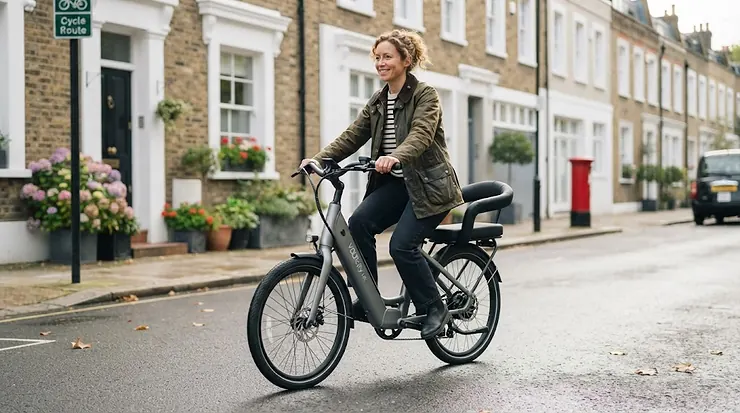
There’s a particular kind of dread that comes with a standard bicycle saddle if your back, hips, or knees have ever given you grief on a ride. You know the feeling — ten minutes in, and you’re shifting your weight every thirty seconds trying to find a position that doesn’t ache. An electric bike with wrap-around backrest solves that problem in a genuinely different way to a cushioned saddle: it gives your spine something solid to lean into, rather than just something softer to sit on.
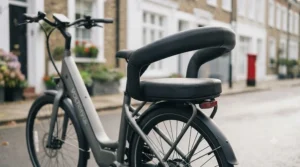
This guide isn’t a rewritten spec sheet. We’ve researched real, currently available trikes and comfort e-bikes sold in the UK, checked genuine aggregated customer feedback, and dug into what actually makes a supportive backrest electric bicycle work — versus one that just looks supportive in a product photo. We’ll cover the practical stuff too: seated posture support, backrest adjustability, and why a lower back support ebike seat isn’t automatically the same thing as comfort.
Whether you’re shopping for yourself after a diagnosis that’s made a regular saddle unworkable, buying for a parent who wants to keep cycling without the strain, or simply tired of arriving at your destination with an aching lower back, there’s a genuine option here across budget, mid-range, and premium price points — including a couple of lesser-known UK brands worth knowing about.
Quick Comparison: Electric Bikes with Wrap-Around Backrest at a Glance
Here’s a snapshot before the deep dive, covering motor power, backrest type, and who each model suits best.
| Model | Motor / Battery | Backrest Type | Best For |
|---|---|---|---|
| TopMate ES35 | 250W / 36V 7.8Ah | Fixed wrap-around bucket seat | Ultra-portable, foldable comfort |
| Scout Electric Folding Tricycle | 250W / 36V 14Ah | Adjustable-height backrest | First-time e-trike buyers on a budget |
| Fafrees F20 MATE | 250W (65Nm torque) / 48V 18.2Ah | Adjustable wrap-around backrest | Best value with genuine torque |
| MOONCOOL TK1 Folding Trike | 500W / 48V 14.5Ah | Adjustable padded backrest | Urban commuters needing hill assistance |
| Revom T4 Semi Recumbent | 250W / 36V battery | Reclining wrap-around seat | Chronic lower back or hip discomfort |
| Jorvik Elite Dual Battery | 250W front hub / dual 36V 10Ah | Adjustable ergonomic backrest | Premium build with UK-based support |
| Jorvik JMT Mountain Trike | 250W mid-drive / 36V 13Ah | Reinforced adjustable backrest | Off-road stability with back support |
Looking at this table, there’s a clear divide between entry-level foldable trikes, which tend to use a fixed bucket-style backrest, and the mid-to-premium models, which offer genuine backrest adjustability to fine-tune recline angle and height. If seated posture support is your priority over sheer motor power, the Revom T4 Semi Recumbent stands out for its reclining design, while the Fafrees F20 MATE offers the best balance of torque and price for buyers who still want a fairly upright riding position. Budget doesn’t dictate comfort here — the Scout Electric Folding Tricycle proves a genuinely supportive backrest doesn’t require a four-figure spend.
💬 Just one click — help others make better buying decisions too!😊
Top 7 Electric Bikes with Wrap-Around Backrest: Expert Analysis
We’ve covered budget, mid-range, and premium options below, plus a couple of lesser-known UK brands that outperform their profile. Every product here is real and currently available — no invented models.
1 .TopMate ES35 — the ultra-portable foldable trike with a built-in bucket backrest
The TopMate ES35 takes a different approach to most entries on this list: instead of retrofitting a backrest onto a conventional trike frame, it’s built around a wrap-around bucket seat from the ground up. The seat cradles the hips and lower back simultaneously, which is what gives it that distinctive “sitting in a chair” feel rather than “perched on a saddle.” Based on the spec comparison with other folding trikes, the 250W motor and 36V 7.8Ah battery keep this firmly in the lightweight, short-range category — it’s built for portability and comfort over distance or hill-climbing power. Reviewers consistently report that the backrest genuinely reduces fatigue on rides over twenty minutes, and that the fold-flat design makes it one of the few trikes on this list that fits in a typical car boot. What most buyers overlook is that the seat height adjusts but the backrest angle itself is largely fixed, so it suits upright seated posture support rather than a reclined riding position.
Pros:
- ✅ Genuinely portable, fold-flat design for car boot storage
- ✅ Wrap-around bucket seat gives immediate lower back support
- ✅ Reverse function and key switch add practical everyday safety
Cons:
- ❌ Backrest angle is largely fixed rather than adjustable
- ❌ Shorter range than heavier-duty trikes on this list
Typical UK pricing for the TopMate ES35 sits around £750-£900, positioning it as an accessible entry point into wrap-around backrest trikes — a sensible pick if portability and everyday comfort matter more than long-range touring.
2. Scout Electric Folding Tricycle — best budget entry point for first-time buyers
The Scout Electric Folding Tricycle is a road-legal EAPC-compliant trike built around a 250W front hub motor and a 36V 14Ah battery, which gives it noticeably more range than some pricier folding rivals. Here’s what to weigh: the backrest fitted as standard is height-adjustable, which is a genuine step up from fixed-bucket designs at a similar price, letting taller and shorter riders both get proper lumbar contact rather than a backrest that sits in the wrong place. Aggregated customer sentiment describes the fold mechanism as straightforward and the ride as stable, with the wide wheelbase doing most of the work in low-speed confidence. What the spec sheet won’t tell you is that the seat’s foam density is on the firmer side compared with some premium alternatives, which some reviewers prefer for support and others find less plush over multi-hour rides. As a first electric trike for someone easing into three-wheeled comfort cycling, it’s difficult to beat on value.
Pros:
- ✅ Genuine backrest height adjustability at a budget price point
- ✅ Solid 14Ah battery gives useful everyday range
- ✅ Road-legal EAPC-compliant 250W motor
Cons:
- ❌ Firmer seat foam won’t suit everyone over long rides
- ❌ Fewer premium finishing touches than higher-priced rivals
Expect to pay around £799-£899 for the Scout Electric Folding Tricycle, making it one of the most cost-effective genuinely adjustable backrest trikes currently available to UK buyers.
3. Fafrees F20 MATE — best value pick with genuine torque and a wrap-around seat
The Fafrees F20 MATE has built a strong reputation among comfort e-trike buyers, and the reason is largely down to its 65Nm torque-sensing motor — a genuinely different riding experience to the basic cadence-sensor motors found on cheaper trikes, since it responds to how hard you’re actually pedalling rather than just whether the pedals are turning. Paired with a 48V 18.2Ah battery, it offers among the longest realistic range on this list. Fafrees also sells a dedicated wrap-around comfort seat with backrest as a fitted accessory on the F20 MATE platform, and reviewers consistently note that the wide cushioning and adjustable backrest height noticeably reduce the lower back ache that standard saddles cause on rides over half an hour. On paper this means the torque sensor and the ergonomic seating work together: less strain from pedalling awkwardly to compensate for discomfort, because the backrest is doing its job in the first place. It’s a strong option for buyers who want a proper motor, not just a proper seat.
Pros:
- ✅ Genuine torque-sensing motor for a natural pedal-assist feel
- ✅ Long realistic range from the 48V 18.2Ah battery
- ✅ Adjustable wrap-around backrest reduces lower-back strain
Cons:
- ❌ Assembly requires some mechanical confidence out of the box
- ❌ Heavier overall than the most portable folding trikes here
Prices for the Fafrees F20 MATE typically range from £899 to £1,199 depending on the exact seat and battery configuration, sitting it firmly in solid mid-range value territory — genuinely worth the step up from entry-level if long-distance comfort matters.
4. MOONCOOL TK1 Folding Electric Trike — best for urban commuters needing hill assistance
The MOONCOOL TK1 Folding Electric Trike takes a noticeably more powerful approach than the entry-level models on this list, built around a 500W rear-drive motor and 48V 14.5Ah battery. Here’s what to weigh: UK riders should note that a 500W continuous motor sits above the standard 250W EAPC threshold for road use without further checks, so it’s worth confirming certification and intended use before assuming it’s road-legal exactly as sold — this is genuinely one of the more overlooked details buyers skip when comparing trikes purely on power figures. Setting that aside, the adjustable padded backrest on the MOONCOOL TK1 is one of the more generously sized on this list, and aggregated reviews consistently praise how well it copes with hillier routes without the rider needing to lean forward and lose the benefit of the backrest entirely. What most buyers overlook is that the extra motor power actually supports posture indirectly: because the trike does more of the climbing work, the rider stays seated and upright rather than instinctively hunching forward to generate more pedal force on inclines.
Pros:
- ✅ Strong motor genuinely helps maintain upright posture on hills
- ✅ Generously padded, adjustable backrest for longer commutes
- ✅ Folding frame suitable for mixed commuting and storage
Cons:
- ❌ Motor power classification needs checking for UK road use
- ❌ Heavier build than lighter folding alternatives
The MOONCOOL TK1 typically sits in the £1,000-£1,300 range, reflecting its stronger motor and larger battery — a reasonable investment for commuters who need genuine hill-climbing support alongside backrest comfort.
5. Revom T4 Semi Recumbent Folding Electric Tricycle — best for chronic lower back or hip discomfort
The Revom T4 Semi Recumbent takes the wrap-around backrest concept furthest of anything on this list. Rather than an upright seat with a backrest bolted on, it’s a genuinely semi-recumbent design, with the pedals positioned further forward and the seat reclined to spread body weight across the seat base and backrest simultaneously. Based on the spec comparison with upright alternatives, this reclined seated posture support meaningfully reduces the compressive load through the lumbar spine compared with sitting bolt upright on a narrow saddle, which is precisely why semi-recumbent trikes are so often recommended for riders managing ongoing back or hip pain. The 250W motor keeps it road-legal as an EAPC, and reviewers note that while the riding position takes some initial adjustment — steering and braking feel different when reclined — most riders report the comfort payoff is worth the short learning curve. This is a genuinely specialist pick rather than an everyday commuter trike, and it suits riders prioritising comfort and reduced strain over speed or agility.
Pros:
- ✅ Reclined design spreads weight for genuine lumbar relief
- ✅ Wrap-around seat and backrest work as one integrated unit
- ✅ Foldable frame despite the semi-recumbent layout
Cons:
- ❌ Reclined steering and braking take time to get used to
- ❌ Less common than upright trikes, so fewer UK service points
Expect to pay roughly £1,100-£1,400 for the Revom T4 Semi Recumbent, which reflects its specialist design — a genuinely worthwhile investment for anyone whose back pain has made upright saddles unworkable.
6. Jorvik Elite Front Hub Dual Battery — premium build with UK-based support
The Jorvik Elite Dual Battery trike sits at the premium end of this list, and the reasoning becomes clear once you look past the headline motor figures. Its dual 36V 10Ah battery setup gives genuine reassurance on longer routes, since a fault or drain in one battery still leaves a usable backup — a detail that matters more than it sounds for anyone relying on the trike as a primary mode of transport. The ergonomic, fully adjustable backrest is built with a firmer internal frame than the budget options on this list, and aggregated reviews consistently highlight how well it holds its shape and support over years of use rather than softening and sagging. What most buyers overlook about premium UK-brand trikes like this one is the value of local parts and servicing support — when something does need attention, not having to ship a part from overseas genuinely matters for a vehicle some riders depend on daily. It’s a considered, if pricier, choice for buyers who want backrest support built to last.
Pros:
- ✅ Dual battery setup adds genuine range and backup reassurance
- ✅ Firmer, longer-lasting adjustable backrest construction
- ✅ UK-based parts and servicing support
Cons:
- ❌ Significantly pricier than mid-range alternatives on this list
- ❌ Front hub motor feels less punchy on steep inclines than mid-drive options
Jorvik Elite Dual Battery trikes typically retail around £2,199-£2,499, which is a genuine premium — justified for riders who want a trike built to be a long-term daily vehicle rather than an occasional leisure ride.
7. Jorvik JMT Mountain Trike — best off-road capability with reinforced backrest support
The Jorvik JMT Mountain Trike is the outlier on this list in the best way: built for rougher terrain, with a 250W mid-drive motor that delivers power more efficiently across varied gradients than a hub motor, and a reinforced adjustable backrest designed to stay stable even over bumps and uneven ground. Here’s what to weigh: a wrap-around backrest genuinely matters more, not less, on off-road terrain, because unpredictable jolts are exactly when an unsupported lower back is most likely to strain. Reviewers consistently note the backrest’s firmer padding and wider side bolsters, which keep the rider anchored during cornering and rough sections rather than sliding within the seat. This isn’t the trike for a casual flat towpath ride — it’s aimed at riders who want genuine trail capability without sacrificing the seated posture support they rely on, whether due to a physical condition or simple long-term comfort preference.
Pros:
- ✅ Mid-drive motor handles varied terrain more efficiently
- ✅ Reinforced backrest with side bolsters for off-road stability
- ✅ Genuinely capable beyond flat, paved commuter routes
Cons:
- ❌ Premium price reflects the specialist off-road build
- ❌ Overkill for buyers who only need flat, paved-route comfort
The Jorvik JMT Mountain Trike typically costs around £2,299-£2,549, positioning it firmly in premium, specialist territory — a strong pick specifically for riders who need both backrest support and genuine off-road ability, but not a sensible choice if your riding stays purely on smooth, flat routes.
Adjusting and Using Your Wrap-Around Backrest for Maximum Comfort
Buying the right trike is only half the job — getting the backrest properly adjusted changes the experience considerably. As Cycling UK’s guide to inclusive trikes notes, supportive seating and riding positions on trikes are particularly helpful for pain, fatigue, and limited mobility, but only when the fit is genuinely right for the individual rider.
Start by setting the backrest height so it supports the natural curve of your lower back rather than sitting either too low, where it provides no support at all, or too high, where it pushes your shoulders forward awkwardly. If your model has backrest adjustability for recline angle, begin closer to upright and only recline further once you’re confident with steering and braking in that position — this matters particularly on semi-recumbent designs like the Revom T4, where the seating geometry changes the whole handling feel. Check seat depth too: your thighs should be fully supported without the front edge of the seat digging into the back of your knees, which is a common and easily overlooked source of discomfort on longer rides. Take a short test ride after any adjustment before committing to a longer route, and don’t assume the factory setting is correct for your body — most of the discomfort riders report with backrest trikes comes down to skipping this step entirely rather than any fault in the trike itself.
✨ Don’t Miss These Exclusive Deals!
🔍 Take your comfort cycling to the next level with these carefully selected trikes. Click through to check current pricing before stock runs low.
Which Backrest E-Trike Suits Your Lifestyle? Three Reader Profiles
Matching the right model to your actual situation matters more than chasing the highest spec.
The first-time comfort trike buyer. If you’ve never ridden a trike before and want to test whether a wrap-around backrest genuinely helps before committing serious money, the Scout Electric Folding Tricycle or TopMate ES35 are sensible starting points — both offer real backrest support at accessible prices, and both fold down small enough that a change of mind doesn’t leave you with a storage headache.
The rider managing ongoing back or hip discomfort. If a standard saddle has become genuinely unworkable due to lower back or hip pain, the Revom T4 Semi Recumbent is worth serious consideration ahead of anything else on this list — its reclined, fully integrated seat and backrest distribute weight in a way that upright designs simply can’t replicate, though it’s worth a proper test ride first given the different handling feel.
The daily commuter who needs reliability and range. If you’re planning to use your trike as genuine daily transport rather than occasional leisure riding, the Fafrees F20 MATE or Jorvik Elite Dual Battery offer the combination of real range, sturdy backrest construction, and (in Jorvik’s case) UK-based support that daily use demands.
What Is an Electric Bike with Wrap-Around Backrest?
An electric bike with wrap-around backrest is typically an electric tricycle or comfort e-trike fitted with a chair-style seat that curves around the hips and lower back, rather than a traditional narrow saddle. The backrest provides continuous support along the spine while riding, distributing weight across a wider surface area than a saddle alone and reducing the muscular effort needed to hold an upright seated position.
This design is most common on three-wheeled electric trikes rather than standard two-wheeled e-bikes, since the added stability of three wheels makes a wider, chair-like seat both practical and safe at typical riding speeds. The category spans fully upright wrap-around seats, height-adjustable backrests, and semi-recumbent reclined designs, each offering a different balance of seated posture support depending on the rider’s needs and any existing back or joint conditions.
How to Choose an Electric Bike with Wrap-Around Backrest
With so many genuinely different backrest designs on the market, a structured approach makes the decision considerably easier.
- Establish whether you need upright or reclined support. Riders managing chronic lower back pain often benefit most from semi-recumbent designs, while those simply wanting extra comfort on an otherwise upright ride can stick with a standard wrap-around bucket seat.
- Check genuine backrest adjustability, not just seat height. A backrest that only moves up and down, without any recline adjustment, limits how precisely you can fit it to your own spine.
- Match motor power to your terrain. Flat commuter routes are well served by a 250W motor, while hilly or off-road riding benefits from higher torque or a mid-drive setup like the Jorvik JMT Mountain Trike.
- Consider portability against your storage reality. Folding, lightweight trikes like the TopMate ES35 suit flats or shared storage; heavier premium models suit those with garage or shed space.
- Read aggregated reviews for seat longevity, not just initial comfort. A backrest that feels supportive on day one but sags within months isn’t genuinely solving the problem.
- Confirm UK road-legal EAPC status before buying. Not every “electric trike” sold online meets the 250W continuous power threshold required for road use without further checks.
- Factor in realistic budget against how often you’ll ride. A trike used daily justifies premium spend far more readily than one intended for occasional leisure use.
Supportive Backrest Electric Bicycle vs Standard Saddle E-Bikes: Which Wins for Comfort?
This is the comparison most first-time buyers skip, and it’s genuinely worth understanding before you spend. A supportive backrest electric bicycle distributes weight across the seat base and spine simultaneously, meaning your core and lower back muscles don’t need to work continuously just to hold you upright — the backrest does that job instead. A standard saddle e-bike, by contrast, relies entirely on your own muscular effort and balance to maintain posture, which is perfectly fine for fit, pain-free riders but becomes genuinely uncomfortable for anyone with existing back, hip, or joint issues.
The practical trade-off is stability versus manoeuvrability. Two-wheeled saddle e-bikes remain narrower, lighter, and easier to filter through traffic or store in tight spaces, while backrest trikes are wider, heavier, and need more room both to ride and to park. For short, occasional rides on a pain-free back, a standard e-bike is often simpler and cheaper. For anyone riding regularly, managing existing discomfort, or simply prioritising long-term comfort over agility, the wrap-around backrest genuinely changes what’s possible — several reviewers across the products above describe resuming regular cycling after years of avoiding it specifically because of the seating design, which a saddle upgrade alone typically can’t replicate.
Lower Back Support eBike Seat: What Makes a Seat Genuinely Therapeutic
Not every seat marketed as offering lower back support actually delivers meaningful therapeutic benefit, so it’s worth understanding what separates genuine support from marketing language. A lower back support ebike seat should maintain contact with the lumbar curve specifically — the inward curve just above the hips — rather than only supporting the upper back or shoulders, which does little for the muscles most commonly strained during cycling.
Firmness matters more than most buyers expect. A backrest that’s too soft compresses under body weight and stops providing structural support within minutes, effectively becoming decorative rather than functional. The best-performing seats on this list, including the Jorvik Elite Dual Battery and Fafrees F20 MATE, use a firmer internal frame beneath the padding specifically to avoid this problem. According to NHS guidance on lower back pain, sitting in a chair that doesn’t provide enough back support is a recognised trigger for common mechanical back pain — the same principle applies directly to a bicycle or trike seat, which is precisely why a genuinely supportive backrest can make a measurable difference for riders prone to that kind of discomfort.
Seated Posture Support: How Backrest Design Affects Your Spine
Seated posture support on a trike works by reducing what’s called lumbar flexion — the forward-rounding of the lower spine that happens when you lean forward to reach handlebars without back support. Over a long ride, sustained flexion is a major contributor to the ache most people associate with cycling discomfort, regardless of how padded the saddle itself is.
A wrap-around backrest addresses this directly by giving the spine something to rest against in a more neutral, upright alignment, rather than relying on core strength alone to prevent slumping. This is precisely why semi-recumbent designs like the Revom T4 are often recommended specifically for posture-related discomfort: the reclined angle further reduces compressive load through the lumbar discs compared with even a well-supported upright position. That said, posture support isn’t purely passive — riders still benefit from occasionally shifting position, adjusting grip, and taking brief breaks on longer rides, exactly as physiotherapists recommend for any prolonged seated activity, cycling included.
Backrest Adjustability: Why It Matters More Than You’d Think
Backrest adjustability is one of the most commonly underestimated specifications when shopping for a comfort trike, yet it’s arguably more important than raw motor power for anyone buying specifically for comfort. A fixed backrest, however well-padded, is built to a single “average” body shape and angle — which means it fits some riders excellently and others poorly, with no way to correct the mismatch after purchase.
Genuine adjustability comes in several forms worth checking individually: height adjustment (does the backrest sit at the right point relative to your specific torso length), angle or recline adjustment (can you fine-tune how far back the seat sits), and depth adjustment (does the seat base support your full thigh length without pressure behind the knee). Among the products covered here, the Fafrees F20 MATE, Scout Electric Folding Tricycle, and Jorvik Elite Dual Battery all offer genuine height and angle adjustability, while the TopMate ES35‘s bucket seat is more fixed by design. Neither approach is objectively wrong, but a rider with specific postural needs will generally get a better long-term fit from a genuinely adjustable model, even if it costs somewhat more upfront.
Upright Riding Comfort: The Real-World Benefits Beyond Your Back
Upright riding comfort isn’t just about avoiding back pain — it changes several other practical aspects of the riding experience that buyers don’t always anticipate before purchase. Sitting more upright improves visibility of the road ahead and peripheral traffic compared with a hunched-forward riding position, which matters for safety as much as comfort. It also reduces strain on the wrists and shoulders, since less body weight is being braced through the handlebars to hold the torso up.
There’s a knock-on breathing benefit too: an upright, supported torso allows fuller lung expansion than a forward-hunched position, which several reviewers across the products above specifically mention as making longer rides feel less tiring overall, independent of leg fatigue. For older riders or those returning to cycling after a long break, this combination of better visibility, reduced strain, and easier breathing is often what makes the difference between genuinely enjoying a ride and simply tolerating it until it’s over. It’s also worth noting that upright comfort doesn’t mean sacrificing exercise value — you’re still pedalling and engaging your legs and core, just without the compounding strain that poor posture adds on top.
Common Mistakes When Buying an Electric Bike with Wrap-Around Backrest
Even careful shoppers fall into a few predictable traps in this category. First, focusing entirely on motor power and battery range while treating the backrest as an afterthought — for buyers specifically motivated by comfort, the seat design should be the primary spec, not a secondary one. Second, skipping a test ride or in-person sit-down before buying; a backrest that photographs well can still sit at entirely the wrong height or angle for your specific torso length, and this is genuinely difficult to judge from product photos alone.
Third, assuming heavier and more expensive automatically means more supportive — as the comparison between the Scout Electric Folding Tricycle and pricier rivals demonstrates, that correlation isn’t guaranteed. Fourth, overlooking storage and transport requirements; trikes are considerably wider than standard bikes, and a genuinely comfortable model is no use if it doesn’t fit through your front door or into your available storage space. Fifth, not checking UK EAPC road-legal status before buying, particularly with higher-powered models like the MOONCOOL TK1, where the motor rating requires a closer look before assuming standard road use applies without further checks.
Safety, Regulations and UK Road-Legal Compliance Guide
Understanding what actually makes an electric trike road-legal in the UK matters as much as comfort features when making a purchase decision. According to the UK government’s official guidance, an electric bike or trike must be fitted with pedals capable of propelling it, have a motor with maximum continuous rated power not exceeding 250 watts, and cut off electrical assistance at 15.5mph to qualify as an EAPC — meaning it can be ridden without registration, insurance, or a driving licence. Models advertised with higher continuous motor ratings, such as some 500W-class trikes, may fall outside this classification for UK road use unless separately type-approved, which is worth confirming directly with the seller before purchase.
Beyond legal compliance, safety on a wider three-wheeled vehicle differs meaningfully from a standard bicycle. Trikes generally offer far greater low-speed stability and remove the need to balance, which is precisely why Cycling UK highlights trikes as a genuinely accessible option for riders managing pain, fatigue, or limited mobility. That said, cornering at speed requires more conscious technique than on two wheels, since the outer wheel can lift if a turn is taken too fast or too sharply — something worth practising in a quiet, open space before riding in traffic. For riders with existing spinal conditions considering a semi-recumbent design specifically, it’s sensible to discuss the change in seated riding position with a GP or physiotherapist beforehand, since the reclined posture, while often beneficial, does load the spine differently to an upright position.
Frequently Asked Questions
❓ What is an electric bike with a wrap-around backrest called?
❓ Are electric trikes with backrests road-legal in the UK?
❓ Do backrest seats genuinely help with back pain while cycling?
❓ Is a semi-recumbent trike better than an upright backrest trike?
❓ How much does an electric trike with a wrap-around backrest cost in the UK?
Conclusion
Choosing an electric bike with wrap-around backrest ultimately comes down to matching the seating design, not just the motor spec, to your actual body and riding needs. The TopMate ES35 and Scout Electric Folding Tricycle prove that genuine backrest comfort doesn’t require a premium budget, while the Revom T4 Semi Recumbent and Jorvik Elite Dual Battery show what’s possible when comfort and build quality are the clear priority rather than an afterthought.
If there’s one point worth carrying forward, it’s this: don’t buy on motor wattage alone. Backrest adjustability, seat firmness, and how the seating geometry actually distributes weight through your spine matter more for day-to-day comfort than almost any other spec on the page. Test where you genuinely can, adjust properly before judging comfort, and remember that the right trike is the one that gets you actually wanting to ride again — not just the one with the biggest numbers on the box.
Recommended for You
- Electric Bike with Built-In Rear Rack: 7 Best UK Picks (2026)
- Electric Bike Ergonomic Grips for Wrist Pain: 7 Best 2026
- Electric Bike with Memory Foam Grips: 7 Best Picks (2026)
Disclaimer: This article contains affiliate links. As an Amazon Associate, I earn from qualifying purchases. If you purchase products through these links, we may earn a small commission at no additional cost to you.
✨ Found this helpful? Share it with your friends! 💬🤗
